Yesterday I visited Impressions Gallery in Bradford to see an exhibition I had heard a great deal about and had a particular interest in for 2 reasons:
1) Arpitah Shah was my tutor for “Expressing Your Vision” and
2) I have a personal connection to this work that focuses on migration, distance and loss. I moved from Africa where I lived till the age of 21 and moved to the UK, dealing with cultural differences and still visiting and talking to family who have remained in Africa.
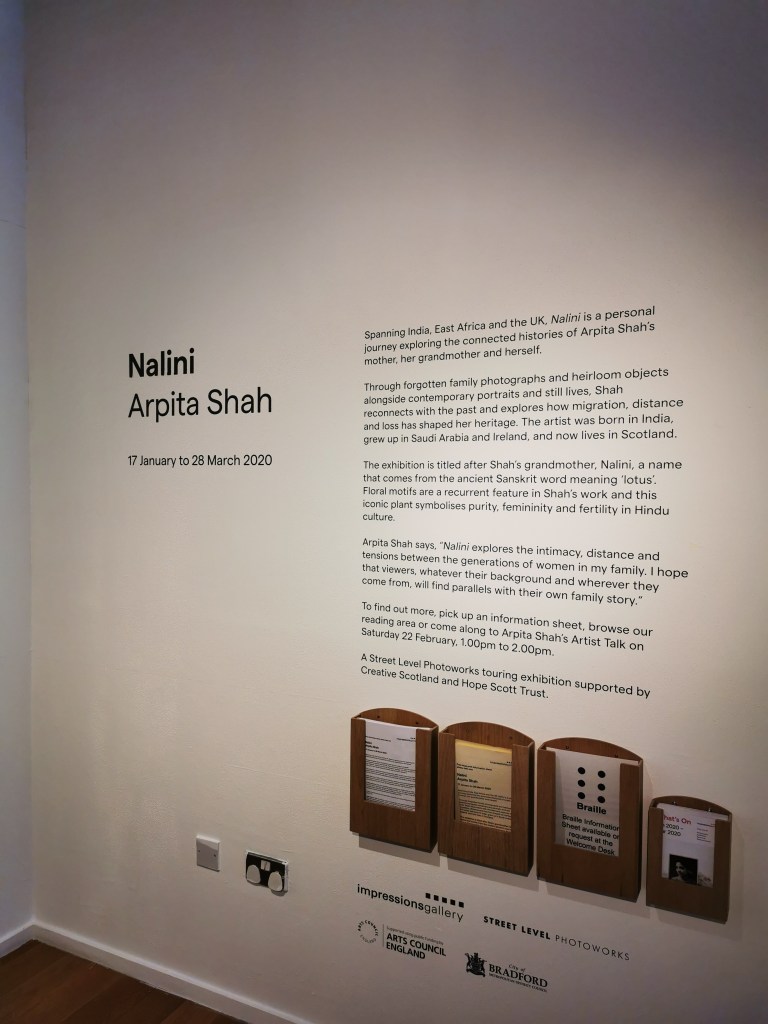
The exhibition is named after Shah’s grandmother, Nalini, a name that comes from the ancient Sanskrit word meaning “lotus” which symbolises purity, femininity and fertility in Hindu culture.
This exhibition has been four years in the making and I love how Arpita has combined so many elements to make exhibition a rich experience for the viewer, some of the ways she has done this :
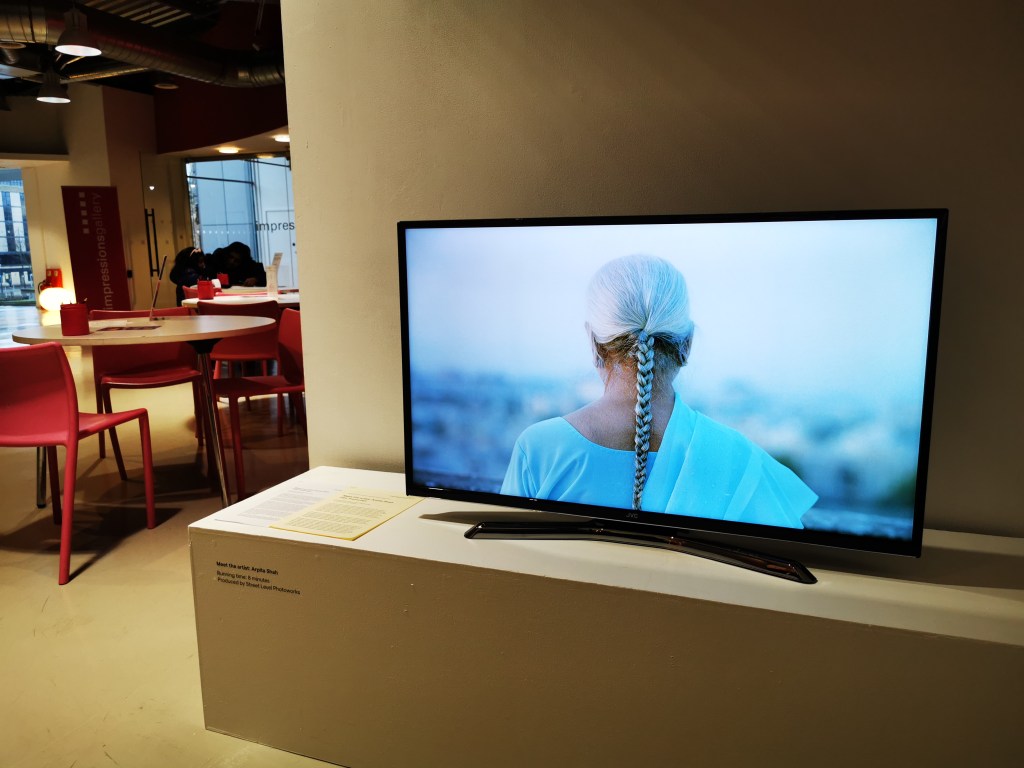
The video at the entrance gives a very good overview of the meaning behind the images she is exhibiting without reading about it, there is also a script of the video which is useful.
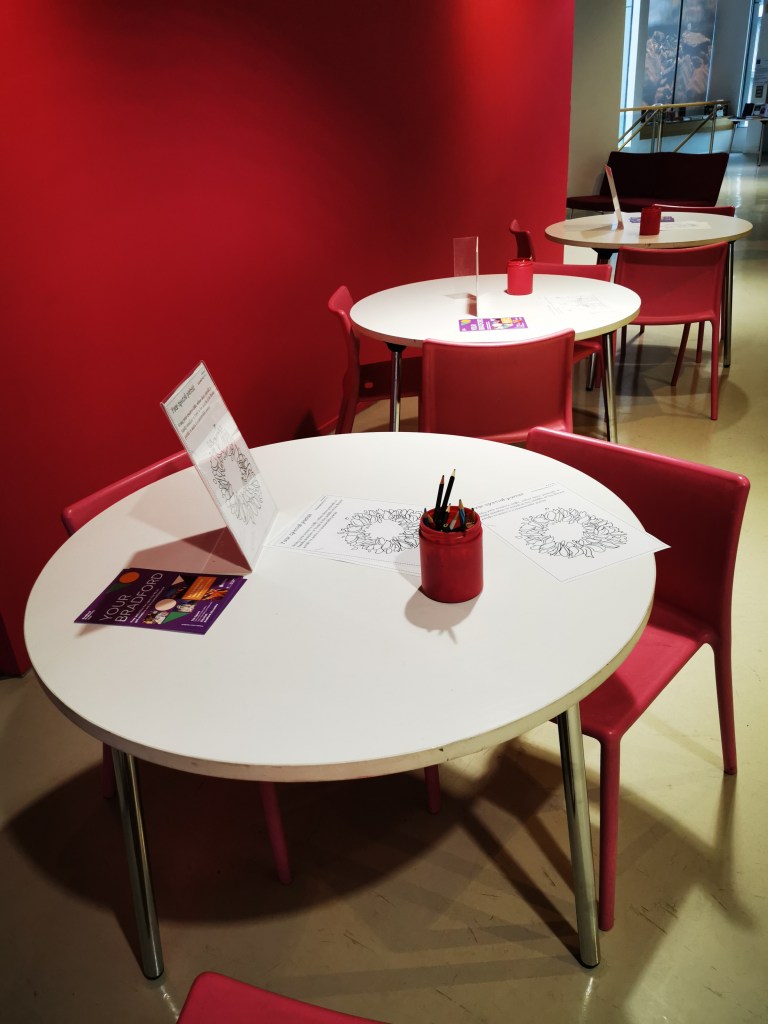
There is a children’s area where some of the images have been recreated into images that can be coloured in

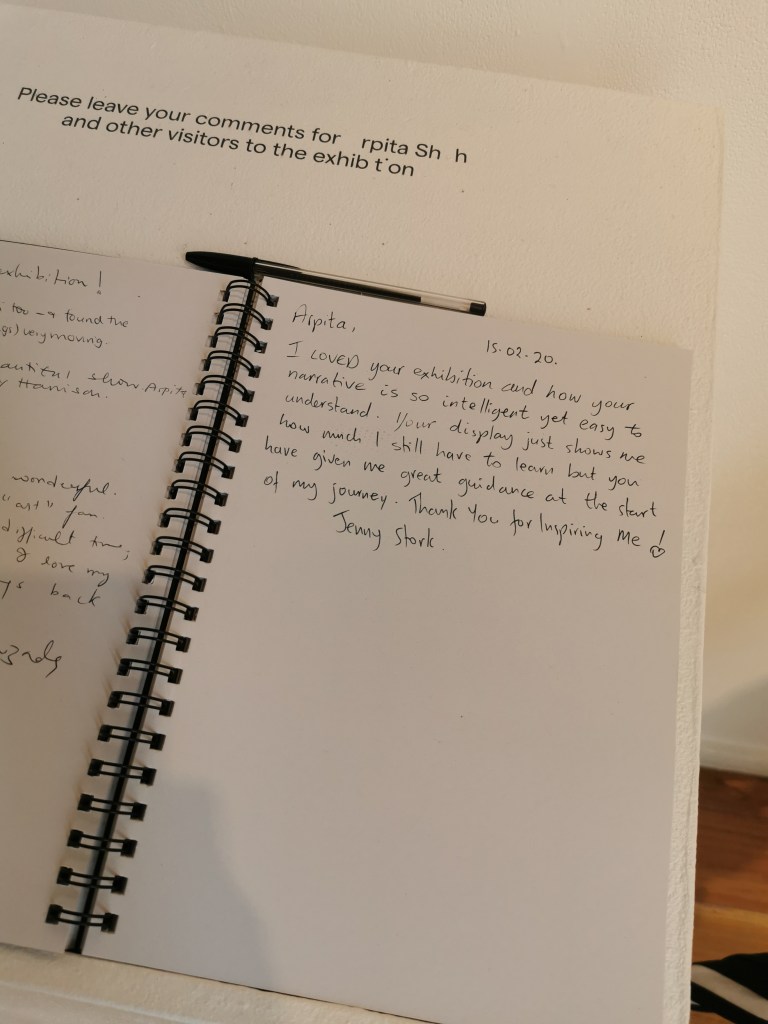
There is a comments book for visitors
There are options for large print and braille
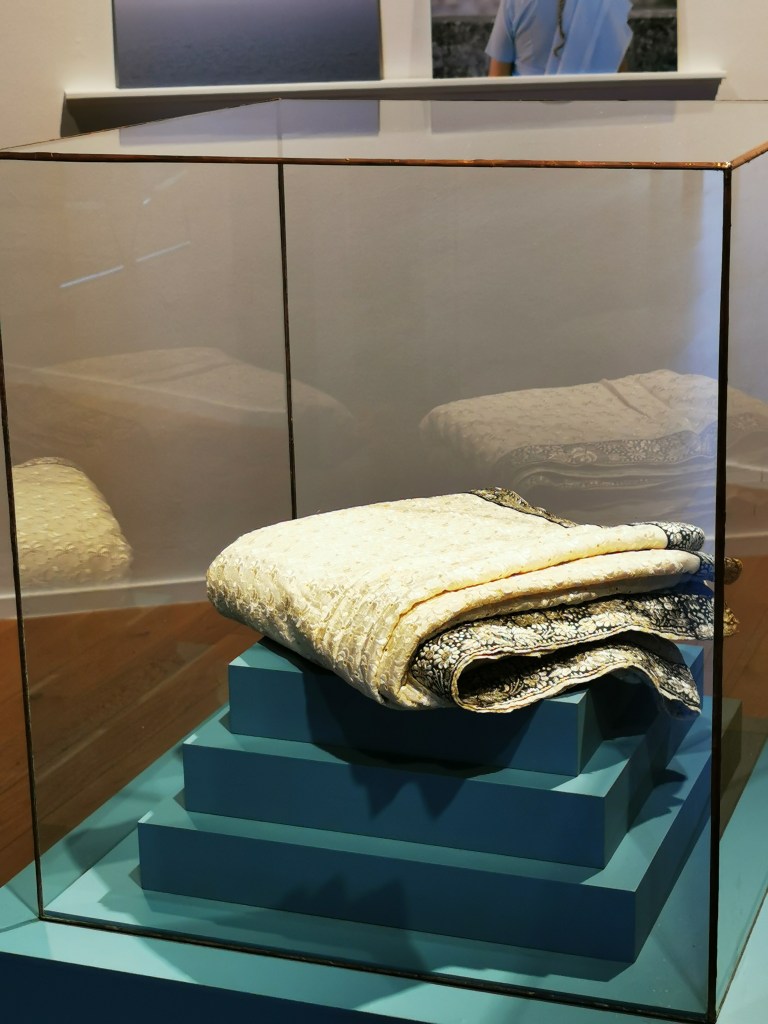
The sari that is almost 200 years old is on display, as well as an old suitcase used to move from India to Kenya, and a display case full of several artefacts that related to the images
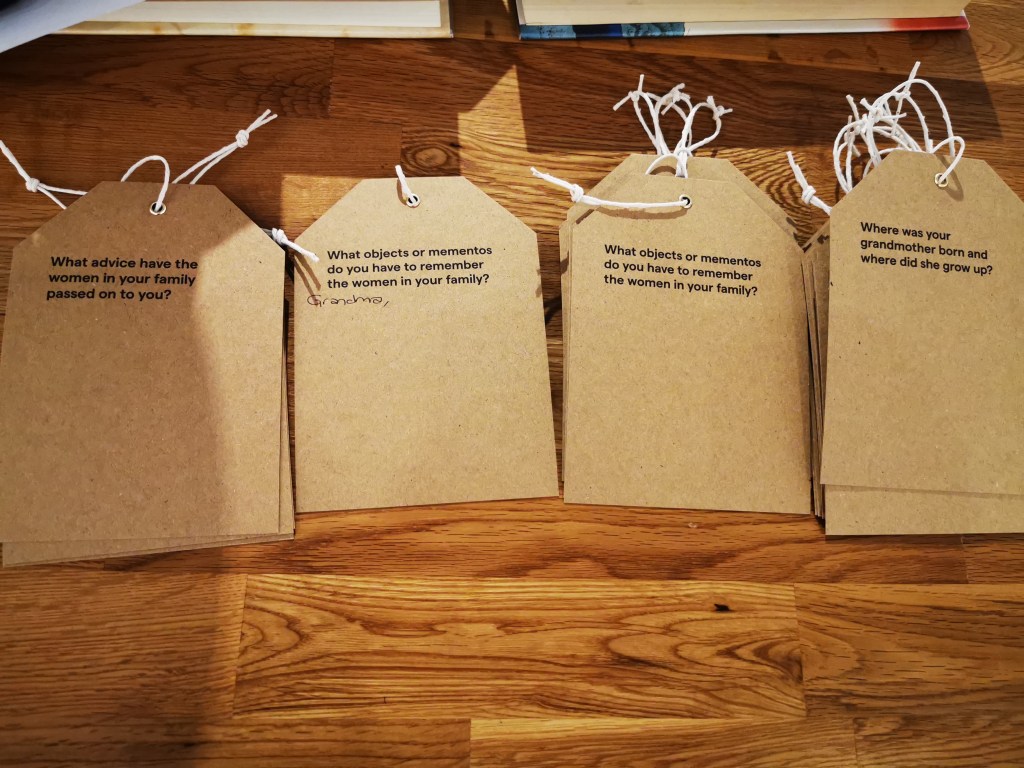
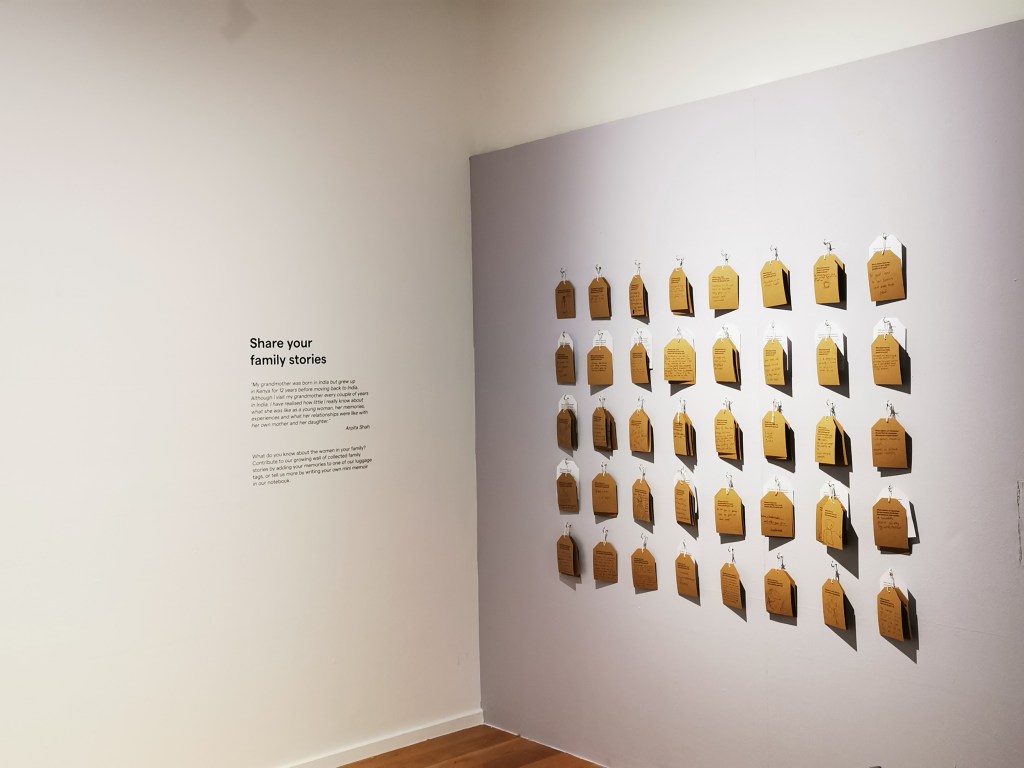
Four different cards for visitors to write about their own mother or grandmother and these are hung up on a wall
My favourite example of this is the large image of the Taj Mahal that she reproduced from an old tin the family have had for several generations, this is where people are encouraged to have their photograph taken.
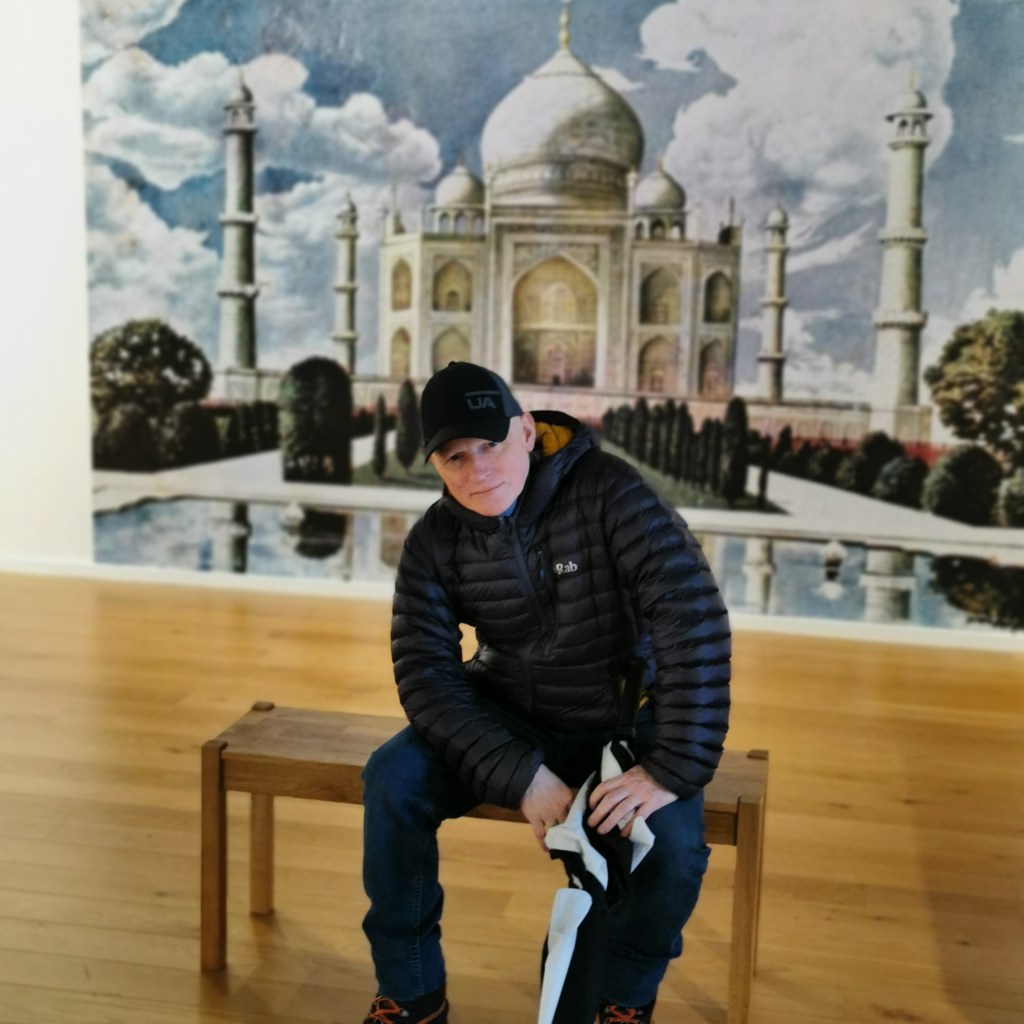
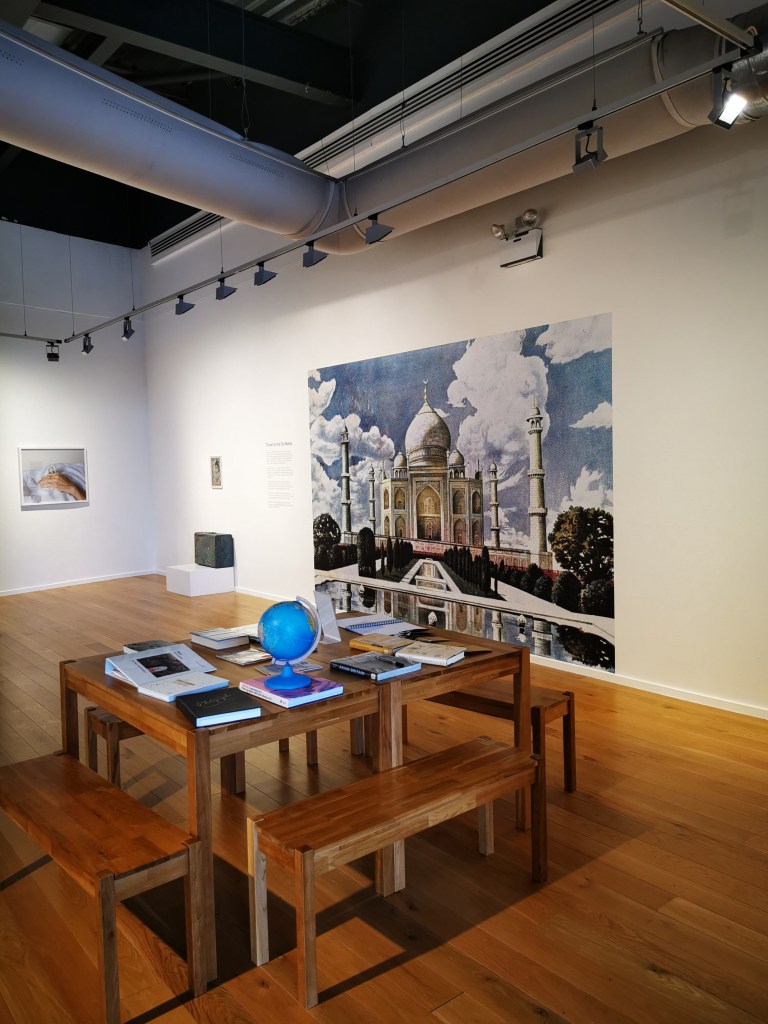
One of my favourite images is the one with the dried lotus flowers around a printed image
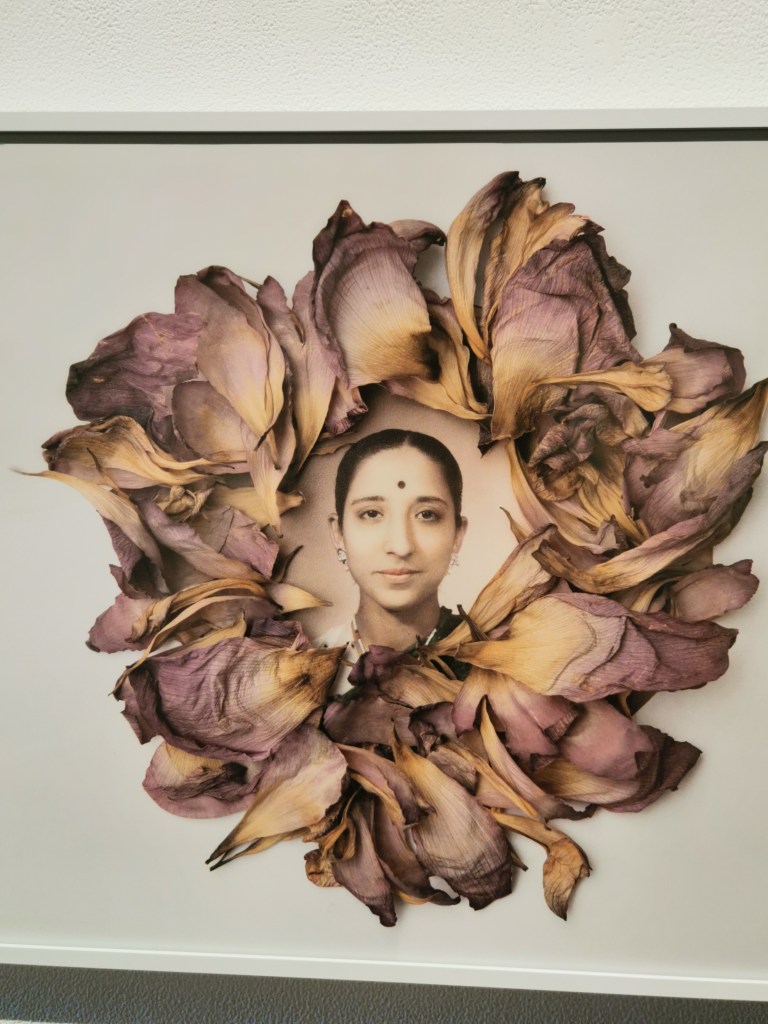
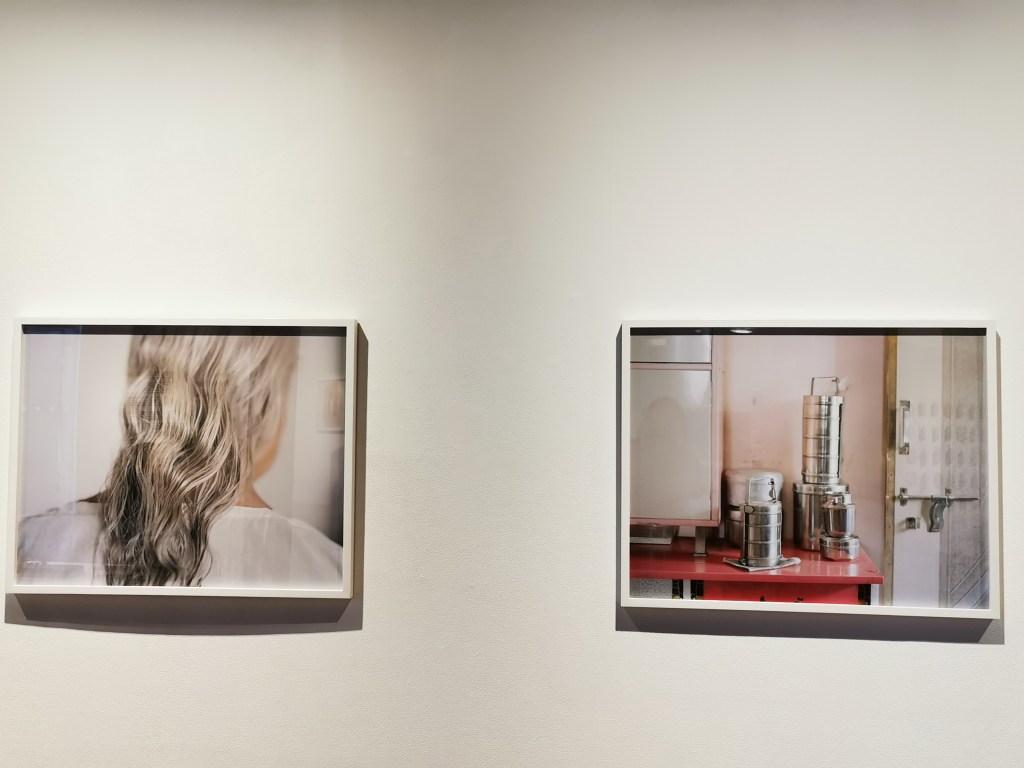
My challenge is narrative in my work and this module will hopefully improve my skills. This work in my view is an excellent example of narrative, the story is told very well and the images tell a story that has deep meaning, several layers of meaning which is intelligent.
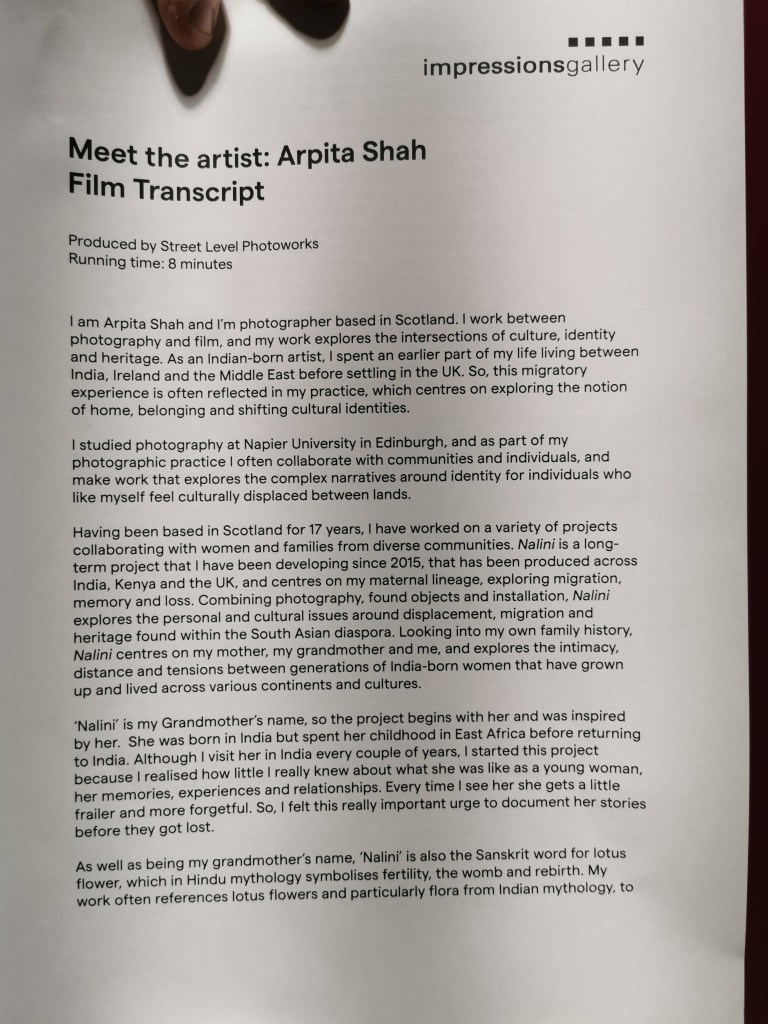
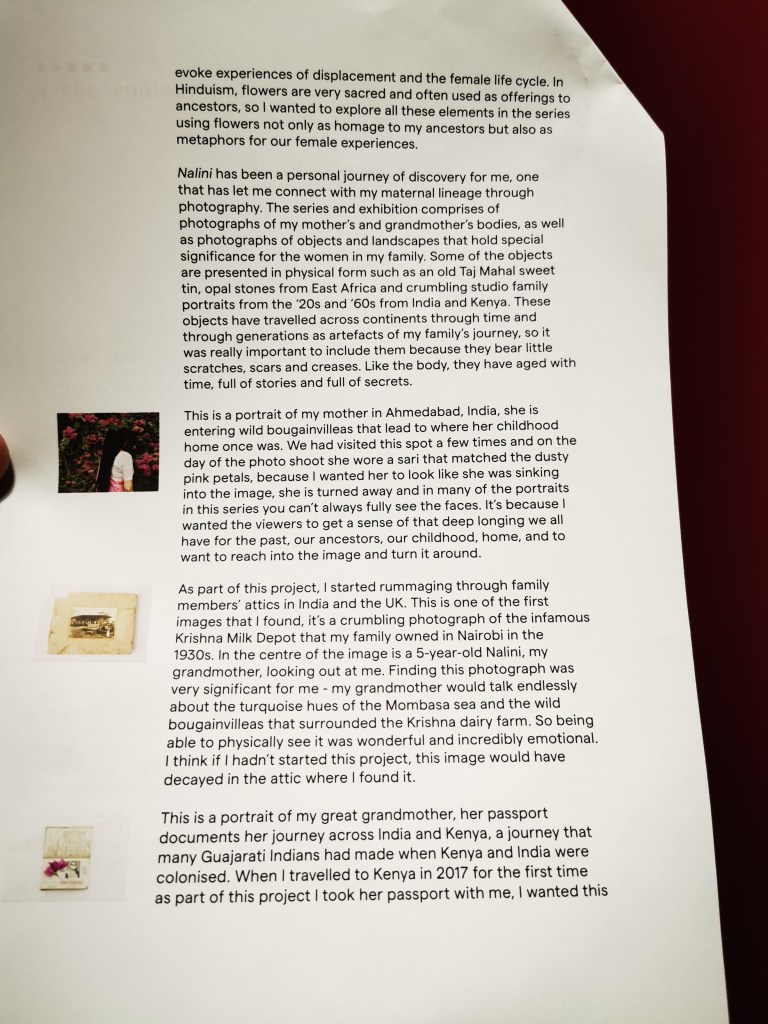

The visual connections between images is very well done too, something I also need to work on and improve.
Conclusion
The exhibition was yet another valuable learning experience for me and shows how much I still have to learn. I realise this exhibition took years to create and a team of people to work on the editing and creating everything I saw here, with this in mind I can’t be too hard on myself when I produce work for assignments. Editing work and choosing images that visually connect as well as the narrative is something I can learn from Arpita’s work. I realise the reasoning why the artist didn’t include any work that showed the face of her mother and grandmother, but for me it would have been nice to see an image of the three generations together to demonstrate the bond they have. With so much work put into developing the narrative, we would have bought a book about the exhibition, this is something I would have done and sold signed editions of a photobook to make more money out of it. This was one of the things my partner and I discussed, how to monetize this work? A photobook would be one way certainly, not sure about further ways or how the artist benefits financially from this work?
 Jenny Stork: Photography 1: Context & Narrative