
Below are key notes from recommended reading from my tutor after my A1 submission.
Photographs are segments excised from large real-world situations
Photographs are instants frozen from a real-world temporal flow
We ought to replace a pictured segment back into the unpictured world – we need to do this to understand what a photographer has done and what the picture is about
Understanding the difference between a picture and the reality of where the picture was made is essential to understand and appreciate the photograph
Understanding the difference between a picture and the reality from which it was made is essential to understand and appreciate the photograph
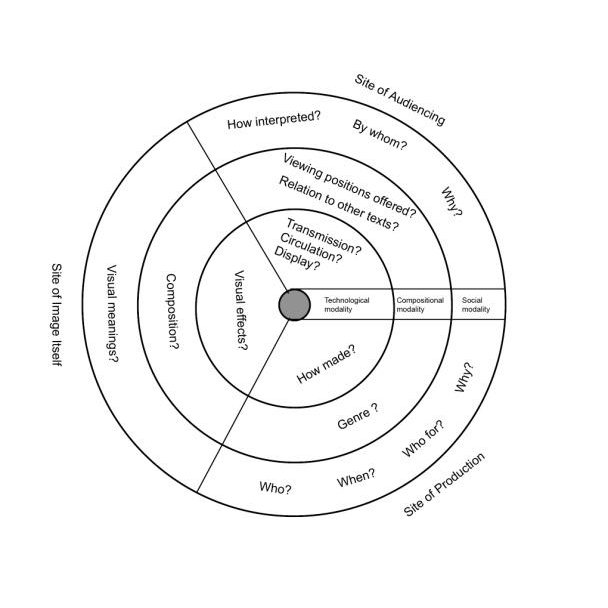
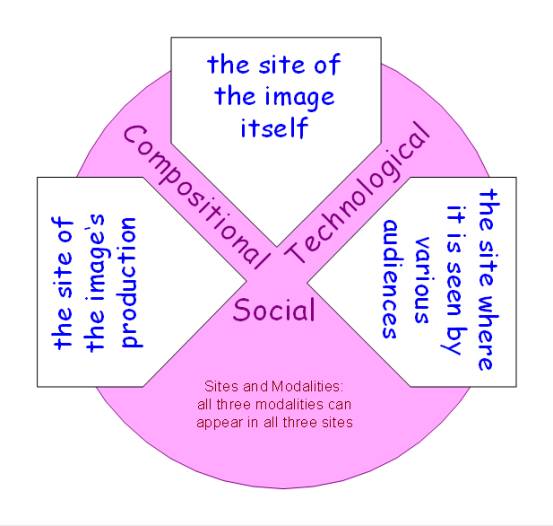
Internal context : that which is given in the photograph – how form and subject combine to express – this is an obvious starting point for any photo – methodologies for investigating the apparent in a photo need to be considered – some photographs only need internal context to understand their meaning, a general knowledge of culture and careful attention to what is being shown is enough. Depth of field, ISO, exposure and other technical aspects are also used to express meaning and need to be considered too.
Original context : refers to what is broadly physically and psychologically present at the time the photographer made the image – the photographer’s intent, the intellectual, sytlistic and imagistic thoughts of the photographer. Knowledge about circumstances surrounding the photograph makes it more than what is obviously displayed and therefore more meaningful.
External Context: refers to the photographers presentational environments – how and where it is being presented, how other interpreters have understood it and where it is placed in the history of art. The meaning of any photo is highly dependent on the context in which it is placed.
Learning how critics and historians think and work and sometimes adopting this approach may benefit students
Students should examine how presentational environments influence the meaning and understanding of a photo
Photographer, editor or curator who has put text next to a photograph? Students should seek to know this to understand the meaning of the image
An editor or curator are forms of interpretation only and are therefore not part of the photo
Take advantage of alternative viewpoints when studying a photo
Simple name, date, title, medium, size and source of the reproduction are clues to the meaning
An untitled photograph could be considered a work of art because there is no title
What was going on in the art world and social and historically when the photo was made?
The photographer can alter the meaning and emotional effect of a photograph by surrounding it with other photographs
Curators arrange photographs for new theoretical insights and greater emotional impact.
 Jenny Stork: Photography 1: Context & Narrative