Context as a determinant of photographic meaning (John A Walker 2009)

This essay, written by John A Walker (2009) provides useful information about this subject, something I need to get to grips with when writing up my blogs for assignments.

The following are notes I have made as a result of reading this text:

A wedding photography can be in several places, a family album, on the wall in a house or in the shop window of the photographer, in a local newspaper – with each shift of location the photograph is recontextualised and as this change happens so does the meaning.

Most critical analyses of photographs concentrate on their immanent structure ie. their internal relations (part to part and part to whole within the framing edge)

Context is an important determinant of photographic meaning, it continues to influence our perception

When the word “context” is used, it should be really be qualified in order to make it clear which of the several different types are being referred ie architectural, media, mental, socio-historical etc

Recontextualisation dosent usually produce a redical transformation of its depicted content – but merely different parts of the image are emphasised (appear to be important) in different contexts – so it’s whole meaning is modified, enhanced or given a new significance.

However, if an image enters into a montage relationship with either a caption, text, another image or a particularly potent display text, then a “third effect” meaning can be generated from the juxtaposition which was not apparent in the photo when in isolation

Photography has created a rapid global reproduction through the internet today, from one cultural context to another, this has lessened the importance of architectural or physical display context.

Meanng is crucially influenced by moment of production, but the meaning may change as the photograph enters into relationships with new circumstances and audiences. The life of an image as well as it’s birth need to be considered. The words “circulation” and “currency” as it moves through time and space from one context to another. It may then be archived and then be re born and used again in the future.

The mental set or context – the “beholder’s share” is about how everyone has a different relation to the same image according to the different places they occupy in socieyt, age, gener, race, age, class, nationality, religion etc

In opposition to this there is an opposing view to this where there are large groupings of people who do see images the same way and this is referred to as pictoral stereotypes otherwise the mass media would simply find communication impossible. Pictorial stereotypes inhabit us, they don’t just exist external in the world of mass media.

Text that accompanies imagery does try to force or impose a meaning on the audience but this can be opposed, such as the women’s movements.

Context is often a troublesome determinant of meaning for artists because it is so often out of their control. Left wing imagery is designed for certain audiences in mind to exercise control over the messages to the most receptive of audiences. The mental context is carefully considered.
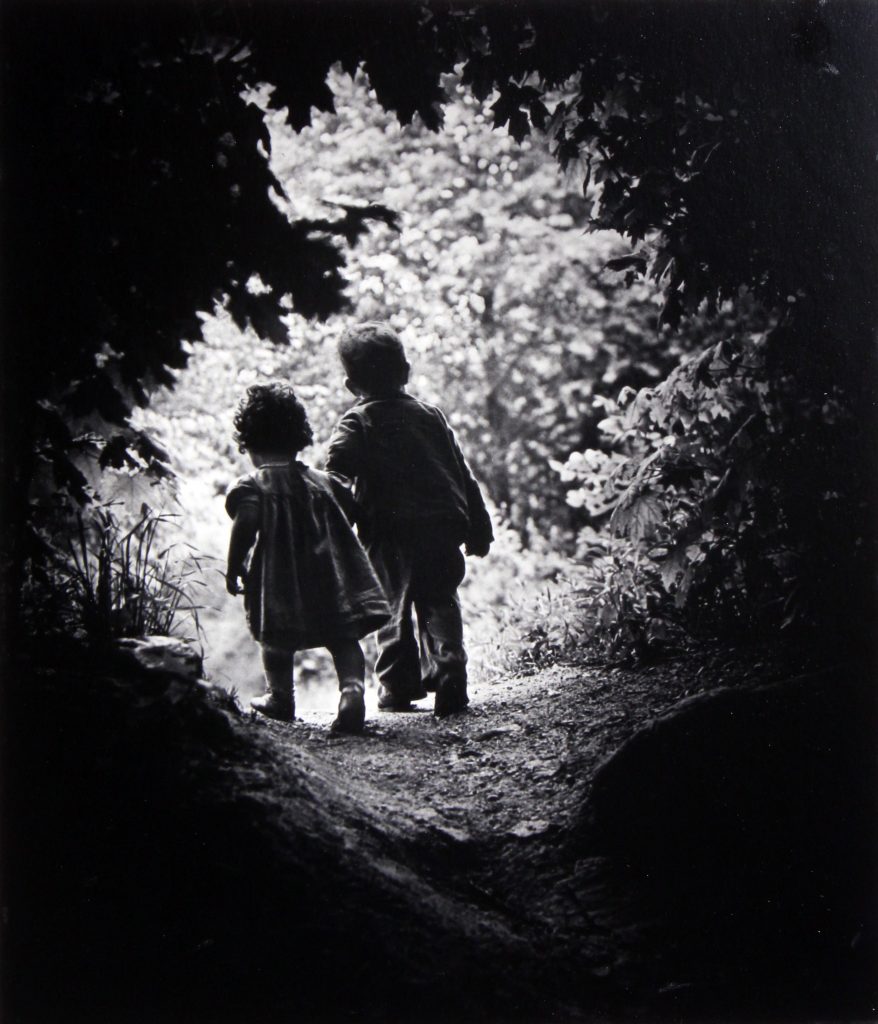
W. Eugene Smith: Walk to Paradise Garden

My tutor recommended I research the image called “Walk to Paradise Garden” by Eugene Smith because it is a similar approach to my second assignment called “Photographing the Unseen”.

This famous image was selected by Edward Steichen as the final image in his exhibition The Family of Man at the Museum of Modern Art, New York in 1955. The aim of the exhibition was to present the universal experiences of human existence and the essential goodness of the human experience. Steichen relied heavily on the photograph’s symbolism of hope and innocence to convey the humanist message of the exhibition.

Smith created this image after recovering from a war injury and it’s mystical feel is different to other images he has taken, documenting war and humanitarian situations. Although different in style to most of his work, this became the most famous image.

There is hidden meaning in this photograph, the “unseen” content of the image that can be interpreted by different people in different ways. The meanings relate to human emotion and the psychological state of the viewer of the photograph as to what meaning is derived.

Light out of darkness is often seen as a symbol of hope or new beginnings, light is often interpreted as a positive and invokes optimism in those who view it. The use of light in this image appears to be shining from above the two children and ahead of them, it gives the impression they are walking into the light.

The boy seems to be leading the girl which shows the human side and the possible relationship between the two, the boy is a leader and protector of his sister. The human side is obvious in the subjects within the frame and the “unseen” meaning is also evident, given the context of the photographers 2 year recovery from an injury which must have been a difficult time.

I am inspired by this image because I enjoy nature and walk through many similar natural landscapes seen in this image. The black and white was what was used at the time and it was only in the 1970s that colour images started being produced. The black and white makes this image all the more serious. The colour would potentially detract from the two children and the light, the dark frame of leaves supports the main subject rather than competes with it which would be the case in colour. The leaves show no detail, only the outline of the leaves at the fringes, this also accentuates the detail of the children rather than competing and therefore losing focus of the main subject.

Bibliography

Huxley-Parlour Gallery. 2020. W. Eugene Smith: ‘Walk To Paradise Garden’ | Huxley-Parlour Gallery. [online] Available at: <https://huxleyparlour.com/w-eugene-smith-hope-and-innocence-2/&gt; [Accessed 14 September 2020].

Unit 3: Putting yourself in the picture: Project 1: Research Task: Fransesca Woodman

Research Task: Francesca Woodman
● Look up the work of photographer Francesca Woodman online.
● What evidence can you find for Bright’s analysis?

Bright’s analysis:

“It is difficult not to read Woodman’s many self-portraits – she
produced over five hundred during her short lifetime – as alluding to a
troubled state of mind. She committed suicide at the age of
twenty-two.”

Bright, S. ​Auto focus: The self-portrait in contemporary photography​ (2010)

Francesca Woodman (1958–81) explored issues of gender representation and
the use of the female body in her work. Self-portraits dominate her substantial
portfolio, often portraying dark psychological states and disturbing scenes. She
uses her body, locations and props to evoke a sense of surrealism, mystery and
vulnerability.
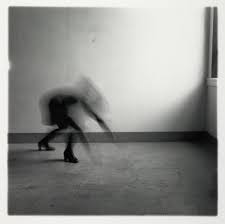
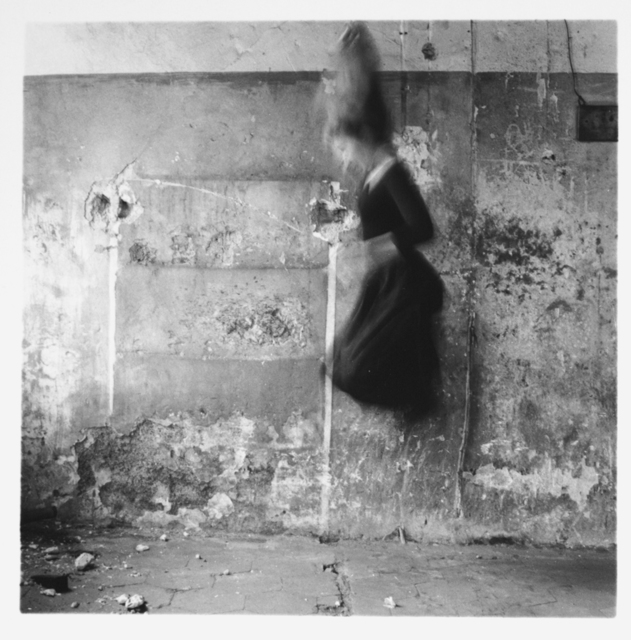
In ​Space ​2​, (Tate, 2019) for example, her body almost disappears into the blur of
movement. This visual strategy recurs in her work and, since her death, has been
interpreted as Woodman using photography both to present herself to the
camera as an exhibitionist and to help herself disappear.

The work of Fransesca Woodman

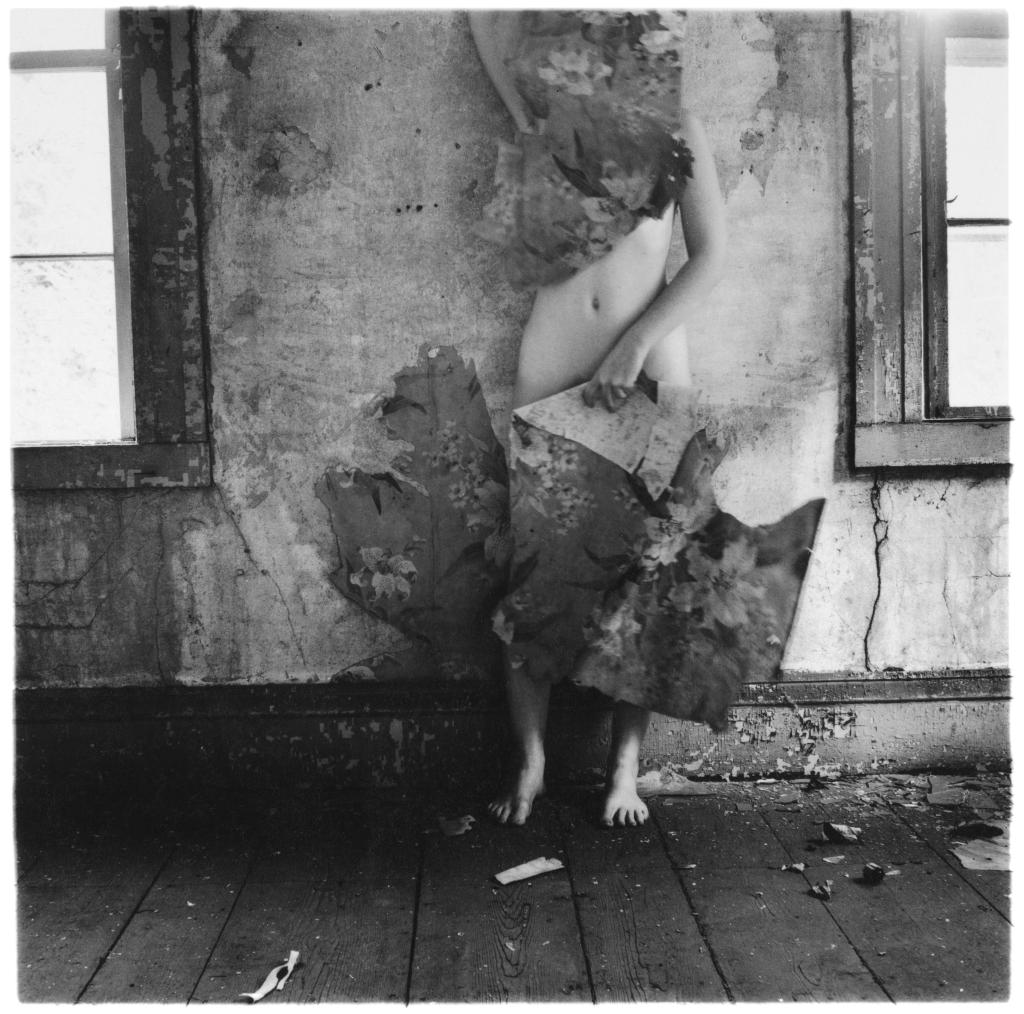
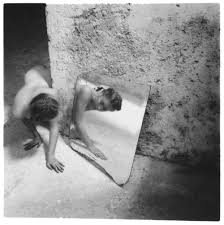
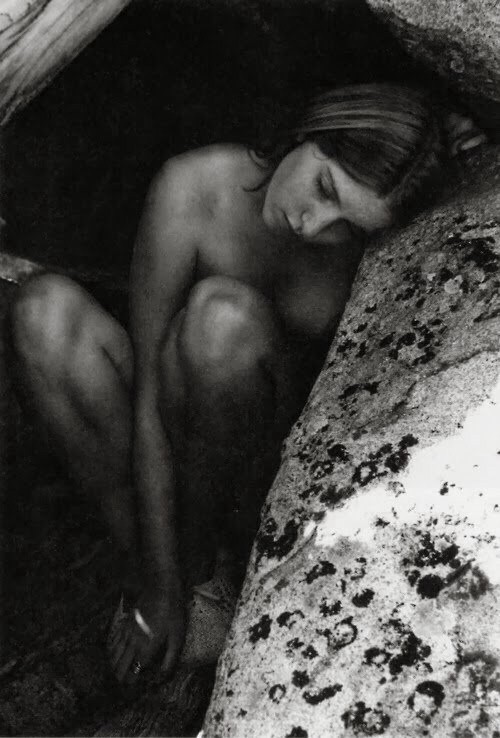
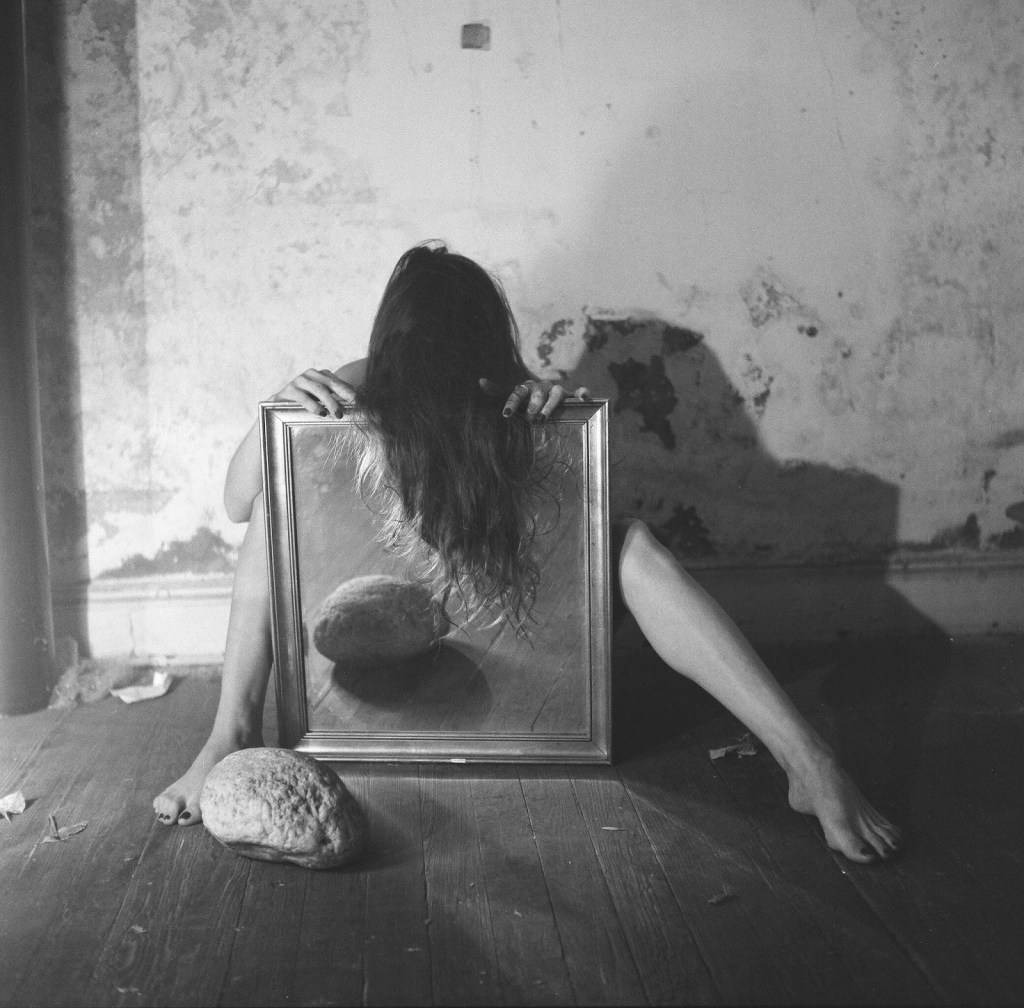
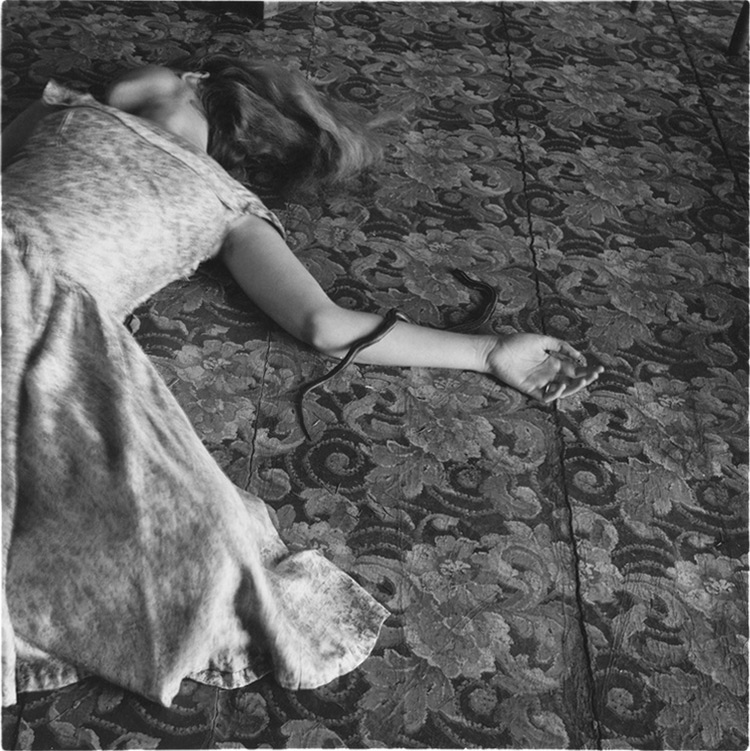
Her work was in black and white and her body is used in many of the images as can be seen in the slideshow below. Her face is hidden in several images and some with her eyes closed, showing how she is sending a message about her state of mind and her body image.

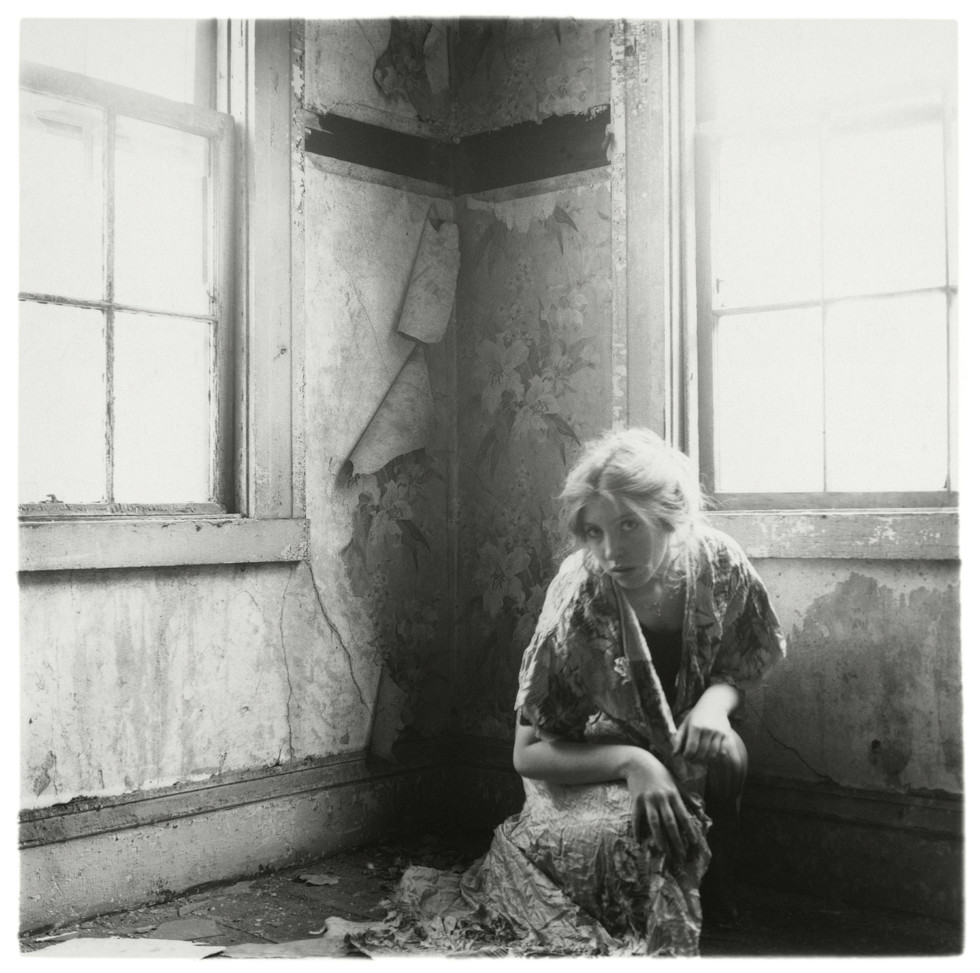
The derelict house with decaying decor also represents her state of mind. The snake shows her vulnerability and perhaps a message that she was in danger.

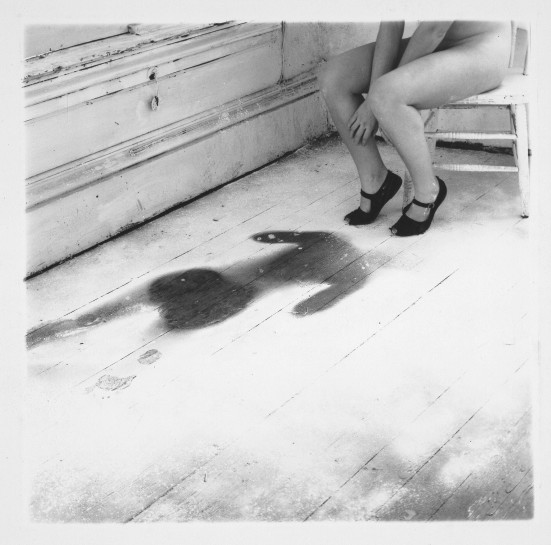
Blurred images and a focus on her shadow come through in her work where this perhaps eluded to how she felt, as if she didn’t really exist,or a desire to not exist.

Evidence for Brigh’s Analysis

There are several images I found that Woodman made of the female body and the representation of this in a creative way using props such as wallpaper or a mirror.

Bibliography

Artnet.com. 2020. Francesca Woodman | Artnet. [online] Available at: <http://www.artnet.com/artists/francesca-woodman/&gt; [Accessed 28 August 2020].

Victoria Miro. 2020. Francesca Woodman. [online] Available at: <https://www.victoria-miro.com/artists/7-francesca-woodman/&gt; [Accessed 28 August 2020].