
American/Israli photographer who uses a family portrait style that is not the stereotypical attractive image but a more realistic approach.
Monograph: a detailed written study of a single specialized subject or an aspect of it.
Her main works are monographs and a great example of self reflection and portraiture.
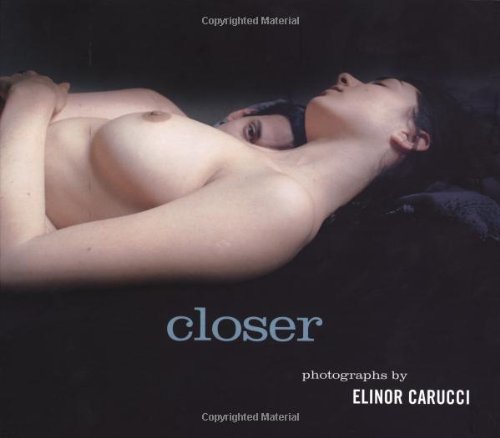
Closer : (2002) immediate family and closest relationships
This was her first monograph and was produced as a book. It touches on intimacy and mortality. She shows parts of family life that usually stay behind closed doors. She feels that the Israeli culture is more open and receptive to the not so pretty images that her work portrays and the American audience can find them shocking at times. This personal study is honest and takes a look at some of the most painful aspects of living that often are never shown, let alone to the public.

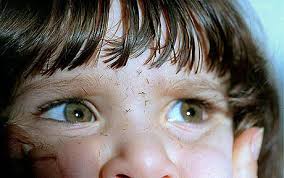


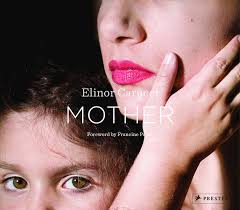
Mother 2013
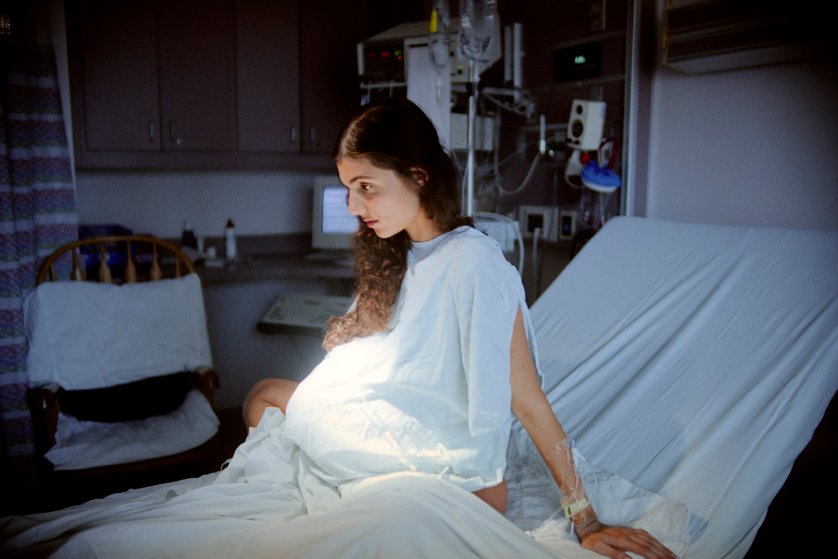
This work documents pregnancy to the time her children were around 8 years old, a time where they gain independence. This work, as opposed to her previous work forced her outside, following her children. It captures the highs and lows of being a parent. It could also be called a photo diary.
Being a parent makes you see the world through new eyes. Similar to her other works, the everyday is central to her work.
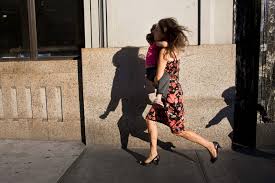

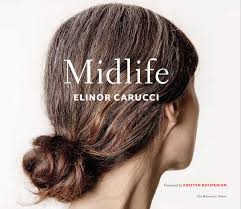
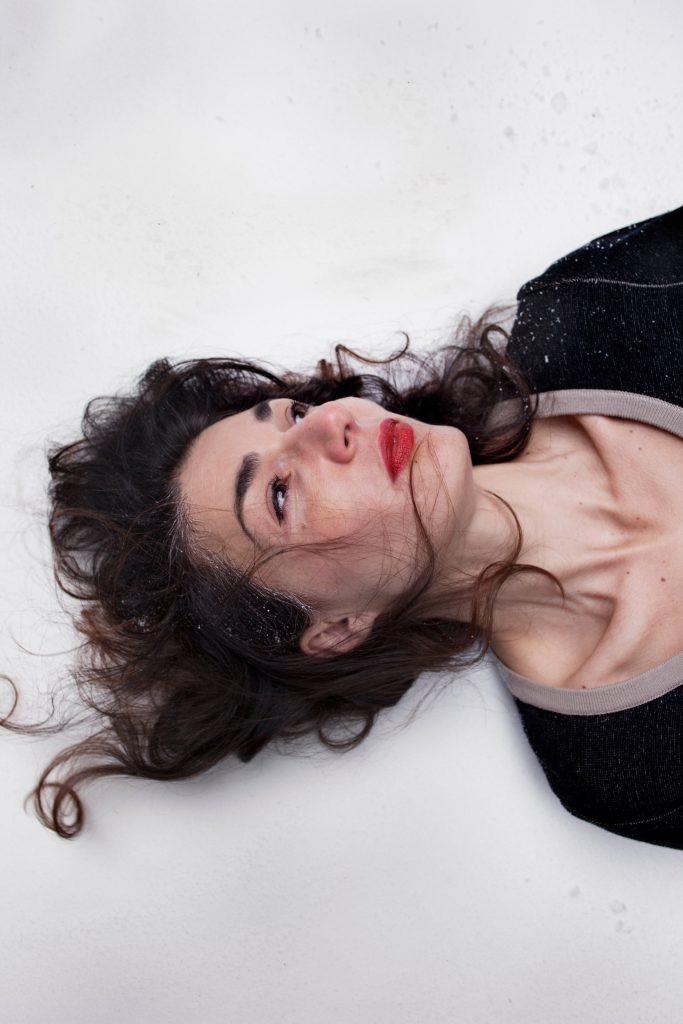
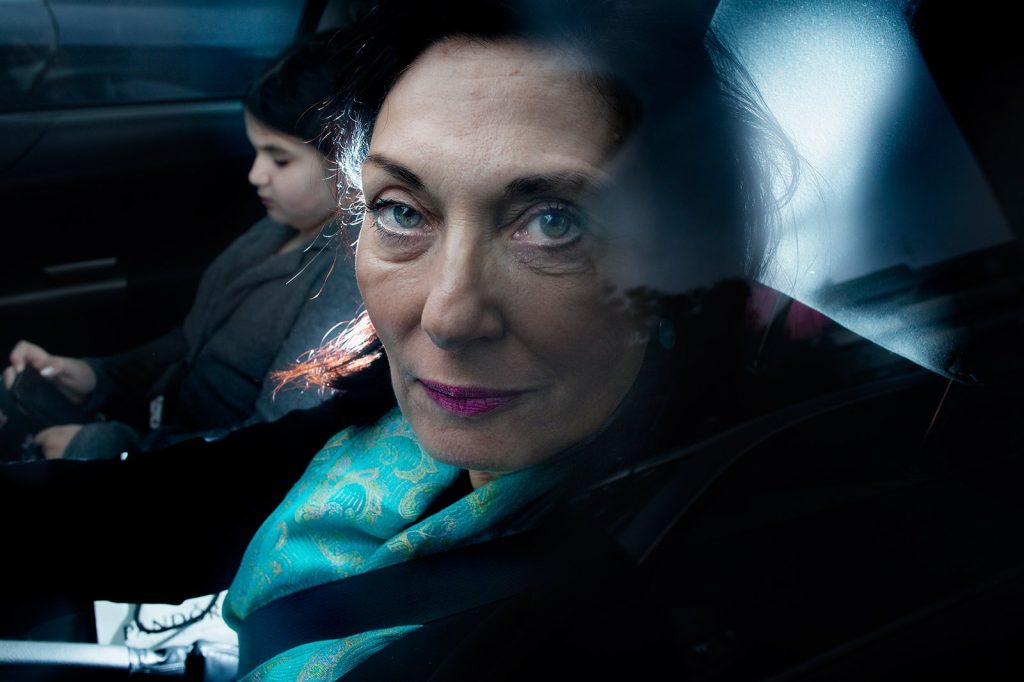
Midlife – 2019
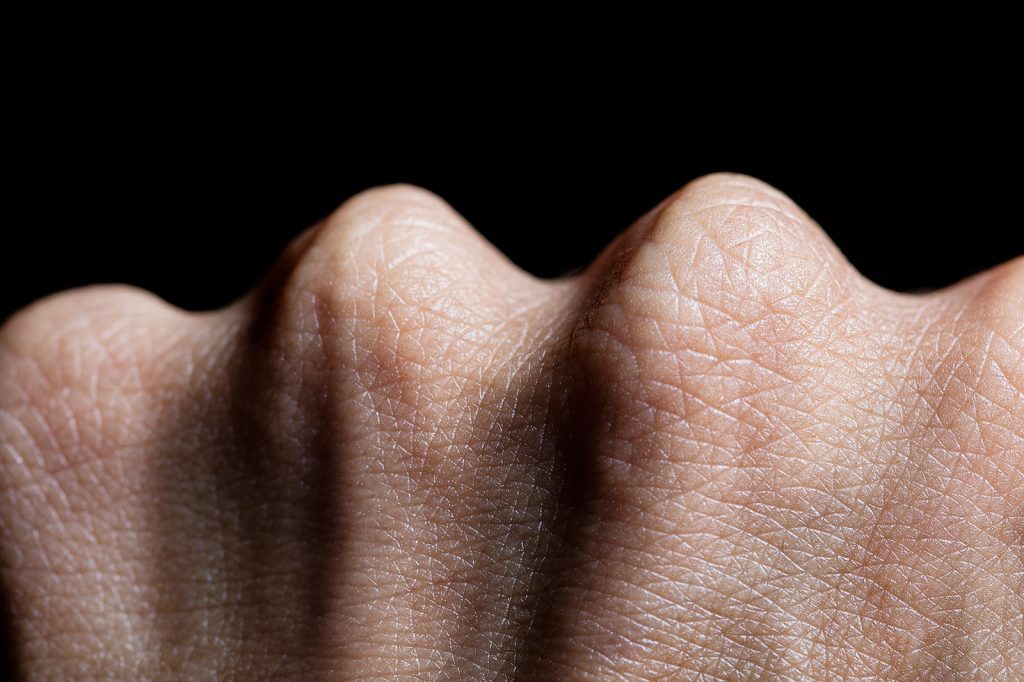
Elinor captures close up magnified parts of her body as well as the seemingly mundane domesticity of her life. The close up images reflects how woman often overthink and magnify imperfections on parts of their body, these show the imperfections that emerge in midlife. The middle aged woman seems to become invisible and this work highlights this and makes them visible again.

Bibliography
Roupenian, K., 2020. A Photographer’S Intimate Self-Portrait Of Womanhood In Middle Age. [online] The New Yorker. Available at: <https://www.newyorker.com/culture/photo-booth/a-photographers-intimate-self-portrait-of-womanhood-in-middle-age> [Accessed 19 October 2020].
 Jenny Stork: Photography 1: Context & Narrative
Pingback: Exercise 1: Brotherus Research and Analysis | Jenny Stork: Photography 1: Context & Narrative