Unknown's avatar

About Jenny Stork

I am a forty six year old mum of three children and I live with my partner in Gloucester. After completing a beginner and an intermediate photography evening course over the last six months I have decided to take my photography from being a hobby to something more in depth and challenging. After careful consideration and making sure I would have enough time to devote to study I have chosen to complete this Potography degree and hopefully enjoy it as much as the short courses I have recently completed. One day I may even make a career out of it, I will just see where it takes me and be guided by what I enjoy most out of the course.

South West Student Group Study Day With Stephen Monger, 8th Feb 2020

Stephen Monger is a tutor and teaches at UWE – he is the programme leader for the MA – Graphic Arts programme and the BA(Hons) Graphic design https://people.uwe.ac.uk/Person/StephenMongerhttps://people.uwe.ac.uk/Person/StephenMonger

Poster Design Workshop : We had a design workshop in the morning where we were given sheets of paper with different font sizes of various pieces of information that we needed to cut out and create a poster. We needed to choose what we thought was the most appropriate size font that would be suitable. We were split into two groups and our brief was to be “non-conformist” and we had an hour to complete the exercise: This was my creation
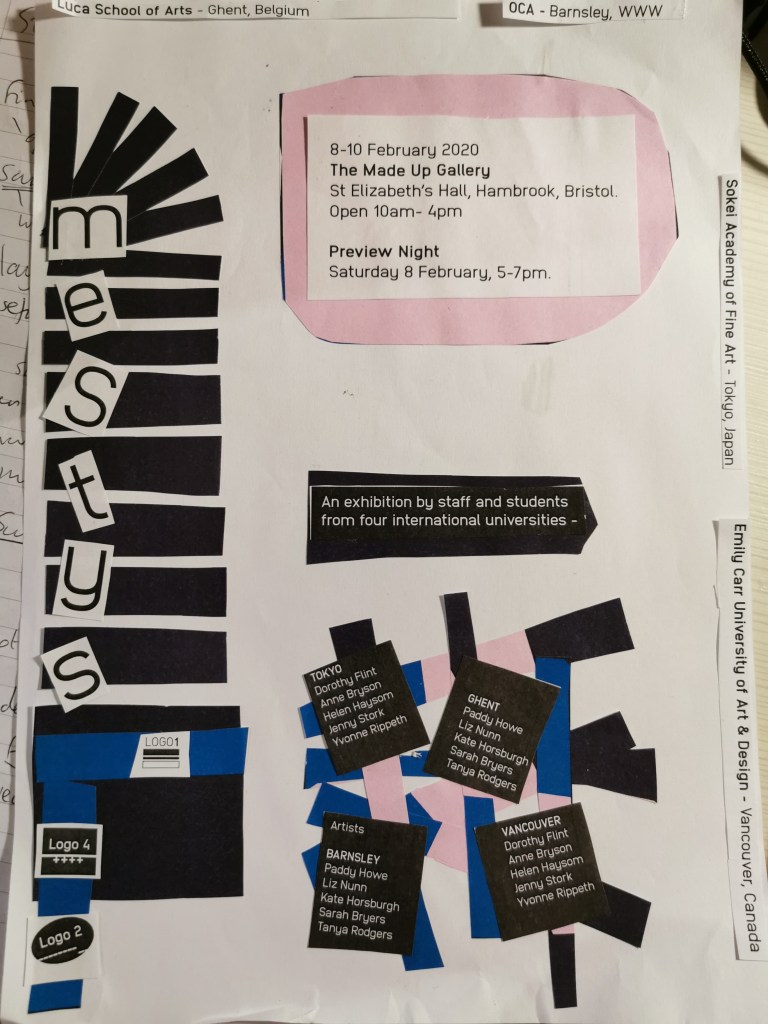
My design for the poster creation workshop

Each group was asked to choose one design to represent the group based on the following criteria : 1) On Brief 2) Creativity 3) Legibility

My work was chosen to represent the group because it definitely was non conformist and creative, the mixing up of the wording of the name “Systems” was considered a negative by the group since it was the name of the organisation the poster was for so should have remained the same.
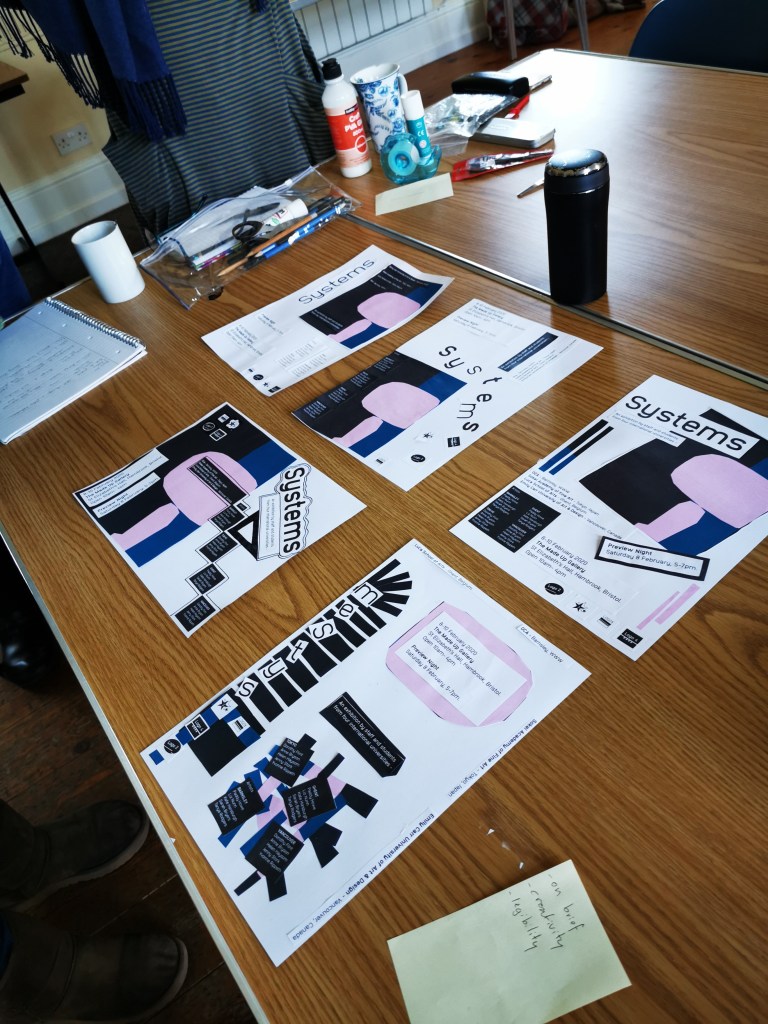
It is evident here that mine was the craziest design on the table!

Stephen Monger said that the bottom part where I put the artist information was very playful and exciting and he liked the creativity of my work which I was pleased about.

Some advice Stephen gave us when we create photobooks or anything that needs a design such as a poster or a flyer :

Find a good quality font that has about 5 different weights to it – sans serif means “without the flicks” and is less formal than the ones like Times Roman which has flicks

Design should be functional first then creative

Don’t ever just use 12 size because it shows a lack of effort

Creative Suite – Stephen uses InDesign – Drop the image in and the overlay with Text

Illustrator doesn’t have as much support with grids

Afternoon Feedback Session

The Afternoon was a feedback session where students presented their work and asked the group for ideas and thoughts, Anne Bryson presented her work which was the idea of creating a tunnel book. She showed us an amazing piece of work where she printed 7 identical photos of an old coal mine in the forest of dean. Each photo had a circle cut out of it, starting with a large circle and progressing to a small circle that focused on the main subject in the image. The images would be fixed at their sides by a concertina system and it would have a front cover that when opened the book would create a 3d sculpture.
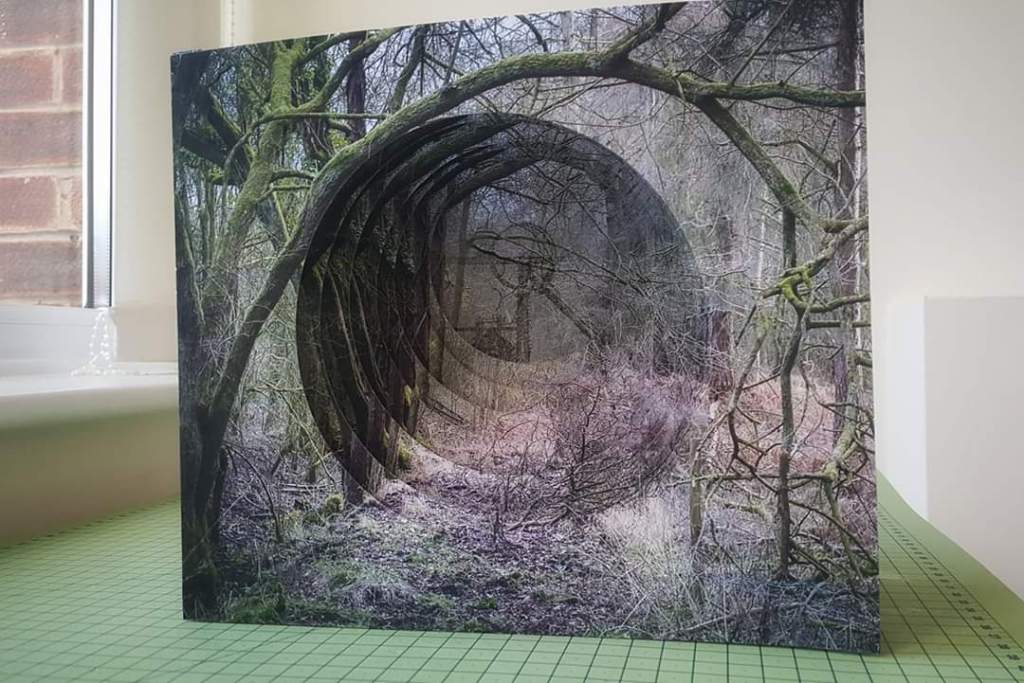
Anne Bryson’s Tunnel Photograph that she plans to put into a book format, she shared this with the group and asked for feedback about whether this should be a book or a sculpture or both

Anne mentioned she got some advice and support from Shona Grant who creates this work on a commercial basis, Shona has a website with good blogs for resource.

The cut out circles are created by using a tool that is a compass with a blade on the end of it and can be bought on Amazon for about £15. Rockingford watercolour inkjet paper was used – Photospeed ultra matt paper can also be used.

The question from Anne was – is this a book or a sculpture – and each one of these has a different way of presenting so the answer dictates how the work is finished

Stephen said that if it is a book then you need to interpret each part of the book into what you are making, so the two front covers can be used for explanatory text rather than text on the image itself.

If it is a sculpture then need to embrace what a sculpture is and make the text sculptural – think of the intentions and outcome while creating the work

Another student presented her finished photobook and some feedback from Stephen on it was:

Allow the viewer to explore – take risks – readers may pick up the book and may just want to read – next time they pick it up they may just want to look at the images and the book needs to be able to do this for the viewer and reader

Make each page a different format to keep interest – think about if you need page numbers at all or are these a distraction, think about where these numbers should be

Nice to put an artists statement at the beginning of the book and a small image of the artist so the reader knows the thoughts and intentions at the outset

Karl Blosfelt is a photographer that Steve said we should look into if interested in this genre – he studied nature and architecture and their relationship with each other

The process of producing work is something I have explored during my first module and will continue to evolve with experience, with this in mind I really liked the advice Stephen gave the group today, something I plan to use in this module when making work for assignments or exercises :

Write down lots of words of mine that I want the book (or body of work) to say – things I want to express – then edit these words to only a few that are the most meaningful – use these words to direct and produce work – then at the end ask yourself – does my work say this?

The benefit of meeting up on a day like this is that you get to share different tools that could be useful in our work, this time Procreate was mentioned, it is an app that you can use to draw or sketch, this was mentioned in a student discussion as well as a company called Snap Mad – a cost effective printing company to consider. These useful names and contacts are noted in my notebook so I can easily access them as and when needed

Conclusion

As always I learned a great deal from the day, it is also good to interact with other students and get support. I would encourage students of any level to get involved because student life gets easier the more support you have. The other point was that there were people studying different things, even music, but there were still things we could learn from each other despite these differences. Stephen Monger gave some excellent advice and feedback in the afternoon session. The morning workshop was very useful because text and imagery and how something is visually designed is really important in the “final outcome” part of my work and is a main criteria for assessment too.
Swipe File

This post contains any inspirational images I come across, each image will explain why I like the image and how I think I may use this in my work. The idea behind this file is that I should be able to identify an emerging theme in the type and style of images I collect. This should help me understand my personal style and approach and should inform my choice of work eventaully.

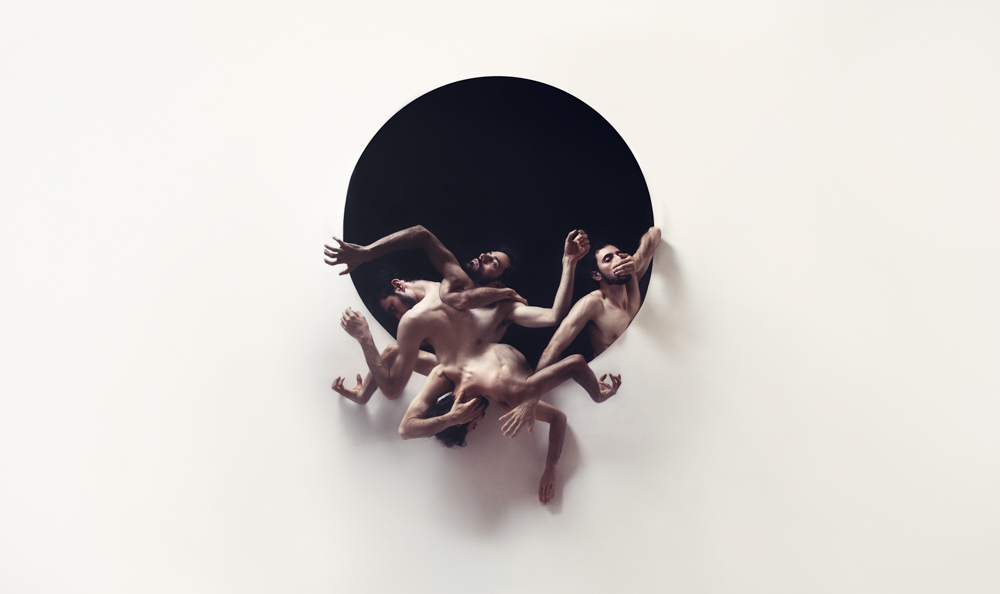
Pauline Goyard – Portrait Fine Art Photography, Creative Portraiture

I really like the simple geometric approach to this image, it is also very unusual with the circle cut out of the background, the body art also adds interest and an extra dimension to the shot
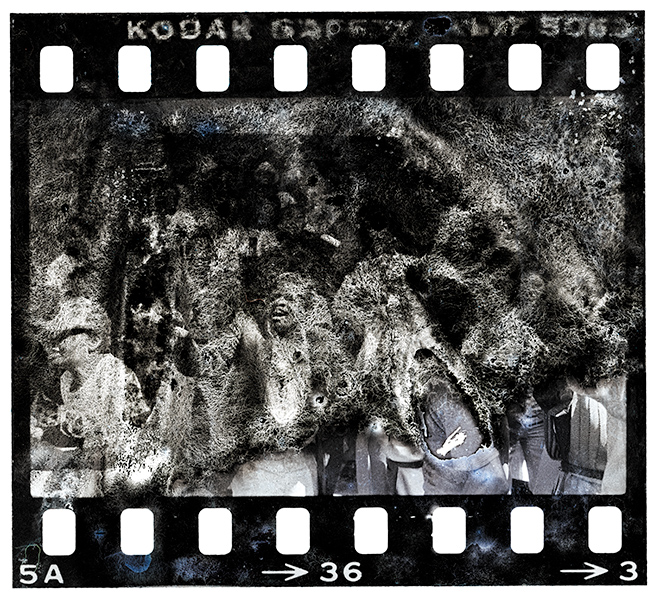
Gideon Mendel – Freedom Of Death – Social Struggle In South Africa, Damaged Negatives
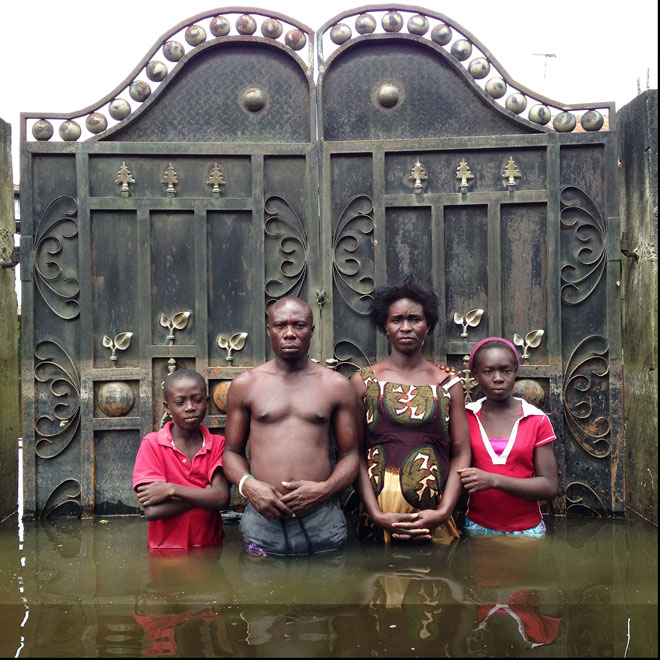
Gideon Mendel – Drowning World – highlighting the floods which are a a climate change effect
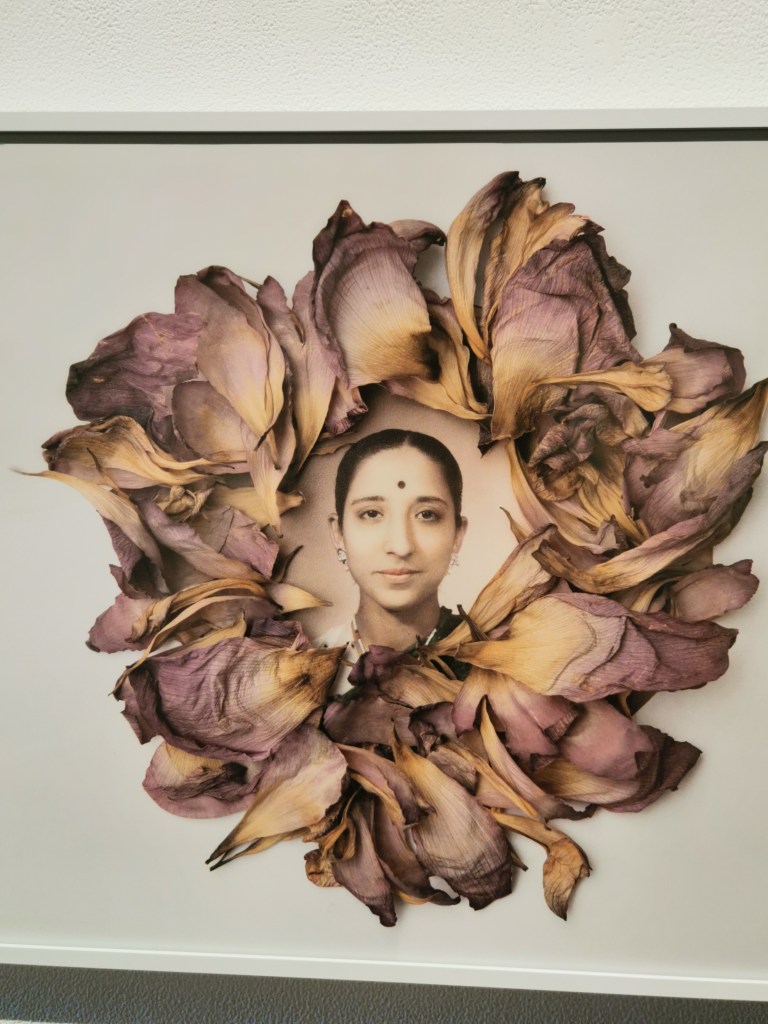
Nalini – Arpita Shah, the use of lotus flower petals arranged around a photo of her grandmother as a young woman has inspired me to the do the same with a photo of my mother and flame lily petals from Africa which I will collect when I next visit

Unit 1 Research: The Photograph As Document : Project 1: Judith Williamson’s ‘Advertising’ Articles

What is Source?

Extract from Source website : “Source is a quarterly photography magazine, available in print and as a digital edition, published in Belfast, Northern Ireland. We publish emerging photographic work and engage with the latest in contemporary photography through news, thoughtful features and reviews of the latest exhibitions and books from Ireland and the UK. Our website brings together an archive of writing and pictures from the magazine alongside current features”.

I have subscribed to the printed version of this magazine, I think this will be a useful reference for me during this module and continued study. I am trying to get my sources of reference and information from a variety of sources rather than just the internet so this will be one of them.

Tiffany Advert Comments, Key Points For me

These are points I found interesting about Judith Williamson’s observations on the image in the Tiffany advert ( image is below)

A new concept for me is that black and white or sepia images are used to show something that is timeless or classic. The reason B&W imagery has been used in this advert for example.

Black and white gives the impression of more classy, less transient than colour – so is often used in high end watches and luxury goods advertising – has come to represent something more serious, more aesthetic than colour – it also has a timeless connotation

This image of a couple in the pouring rain signifies spontaneity and very much like Cartier-Bresson’s “Decisive Moment” – and this also translates across into the decisive moment of proposing or deciding to be in a relationship – he also used to shoot in black and white.

It is also interesting how the narrative on the side (the short poem) and the ending question “will you” ties in with the narrative of the image. ‘Will you know that you’re more fun on/ a bad day than most people are on good ones/ and that I wouldn’t mind if it rained/ every day for the rest of my life if it meant/ I could spend it with you?’ The ‘Will you?’ in larger print, above the close-up image of the diamond rings, leads the romantic narrative to its culmination in a proposal.

Bibliography

Hull, S. (2020). Source Magazine: Thinking Through Photography – About Source. [online] Source.ie. Available at: https://www.source.ie/main/about.php [Accessed 7 Feb. 2020].

Unit 1 Ex1: The Photograph As Document: Project 1: Eyewitnesses? : The Impact Of Citizen Journalism

Find some examples of news stories where ‘citizen journalism’ has exposed or
highlighted abuses of power. How do these pictures affect the story, if at all? Are these pictures objective? Can pictures ever be objective?
Write a list of the arguments for and against. For example, you might argue that these
pictures do have a degree of objectivity because the photographer (presumably)
didn’t have time to ‘pose’ the subjects, or perhaps even to think about which
viewpoint to adopt. On the other hand, the images we see in newspapers may be
selected from a series of images and how can we know the factors that determined
the choice of final image?
Think about objectivity in documentary photography and make some notes in your
learning log before reading further.

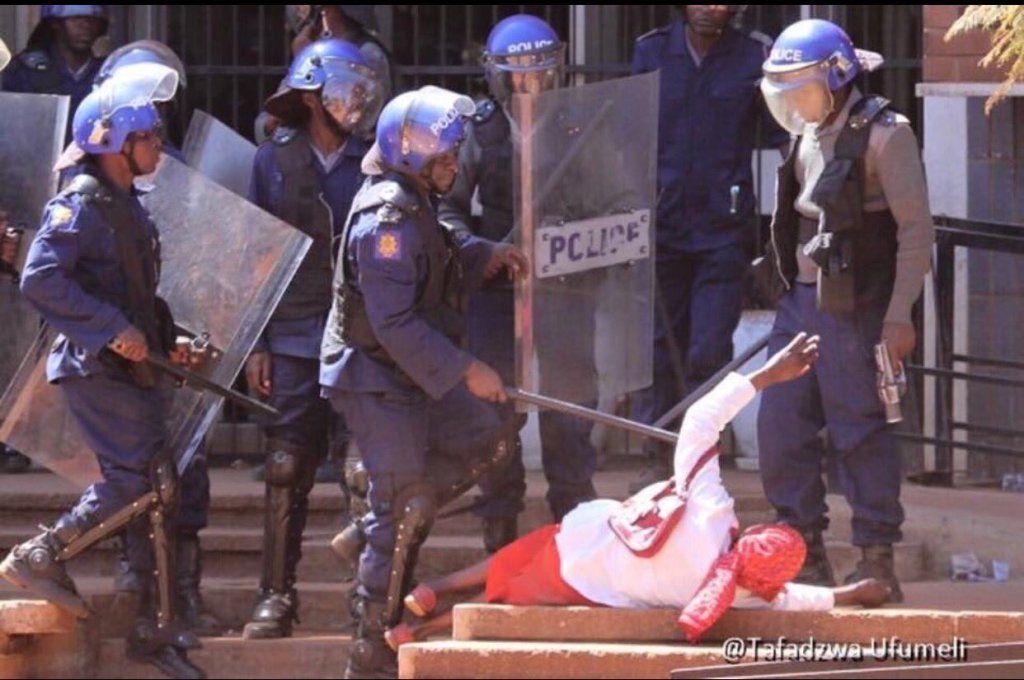
This image shows very clearly an abuse of power with victims being woman and men standing by only being able to watch. This version of reality could have other versions such as what happened to lead to this version of reality? Violence against the police that was unlawful? The use of batons is a version of reality that cannot be disputed however, this is a very obvious abuse of power.
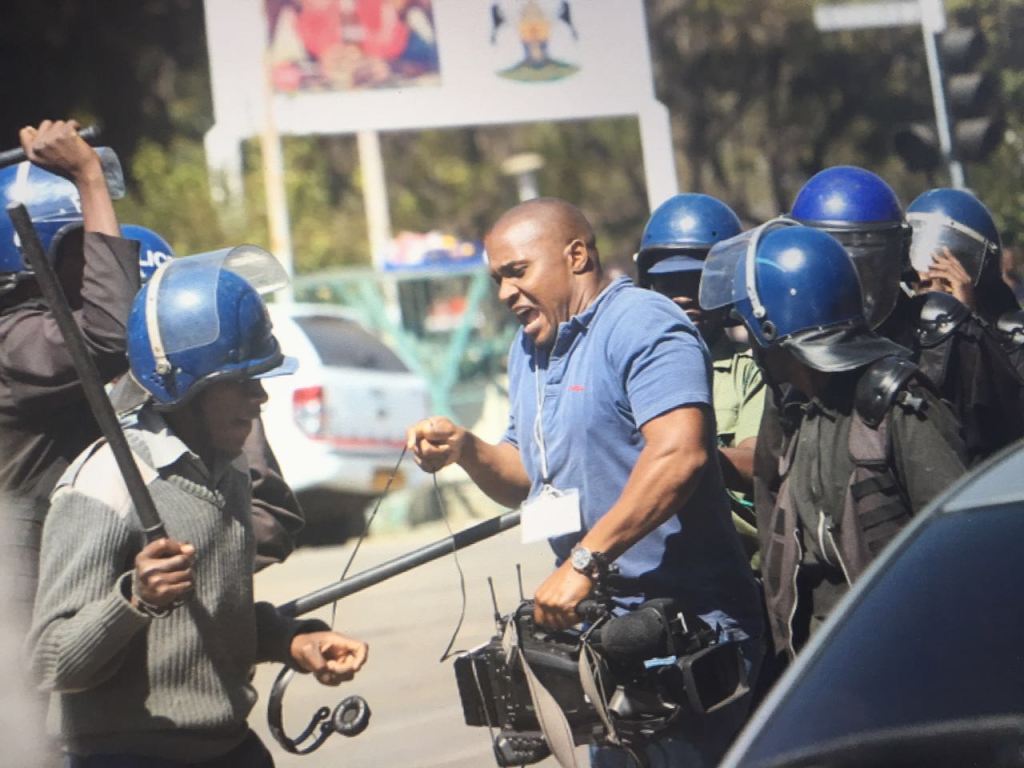
This image gives the impression of abuse of power, where the journalist is greatly outnumbered by police. The cameraman’s expression has been caught well, this adds to the drama and the emotive feel
This image is particularly disturbing because the victim is a woman, what the photographer has allowed us to see in this version of reality is many police and only one victim, giving an exaggerated impression of force and abuse of power. It could be the case that this was the only woman on the street but we have no context to this image, there could be a violent crowd behind her that is being contained by some other means, but we don’t know.

This is the first time I have come across the term “citizen journalism” and it appears I am familiar with this sort of activity but not necessarily the term. I lived and grew up in Zimbabwe where “citizen journalism” is something that has helped to get the truth out to the rest of the world about the corrupt dictatorship government and the abuse of power among the military and the police to enable them to silence protesters. 

Photos taken that expose abuse of power will have an emotional effect on the audience, these images often provoke outrage and anger, in the world of “fake news” and the use of this to promote a cause or an individual, these sort of images create the desired effect of lots of sharing of images and also comments. A strange irony exists around this concept, where the citizen journalist could become the one who is abusing power by circulating shocking images for self promotion rather than highlighting an issue. 

There are pros to this approach in that it highlights injustices and can be a catalyst for positive change, but this approach can be an emotional response by protestors to years of suffering and therefore one sided, so I don’t think these photos can ever be objective. There are also situations where there are violent attacks by ordinary citizens against the police, looting of shops and destruction of buildings and vehicles during these protests, these photos are not taken, or if they are taken, they are not shared to show a balanced approach to the story telling. 

Objectivity in documentary photography, 

Objectivity must be difficult if it is about human or animal suffering of any kind and the nature of the relationship the photographer has with the subject(s), the closer the relationship the more difficult it becomes to remain objective.Photography has become a very powerful medium to communicate human or environmental issues, with this comes the responsibility of the photographer to produce work that is objective. 

It’s important to remember the note from the coursework content, that when we look at an image, we are not looking at the actual scene but a piece of paper with various subjects within it, this is just one version of reality, reality and the image we see before us are very different things and tell very different stories

Guide To The Layout Of My Website

Featured

Welcome to my website that contains work for the Photography 1 module – “Context and Narrative” This is a guide to the layout of my website so you can easily find my work.

There are three main categories:

1) Exercises

This area has different sections: Unit 1 to Unit 5: within each unit section all the exercises relating to that unit will be posted in that area

2) Assignments

This area is divided into 5 sections relating to each of the 5 assignments for the module

Within each assignment section there are separate posts relating to the work done to complete the assignment, these are :

2.1 Research & Ideas

2.2 Assignment ( the first assignment attempt that is submitted to my tutor)

2.3 Assignment Contact Sheet (the collection of images used to select my final choice for my first assignment submitted to my tutor)

2.4 Feedback & Reflection ( this contains tutor feedback and my thoughts on this and plans for a rework)

2.5 Reworked Assignment ( This is a reworked version of the assignment based on tutor feedback and further thought and reflection, this version will be the one submitted for assessment, it will most probably contain some new images and some edited out and wording will have changed as to the reason for the rework)

2.6 Reworked Assignment Contact Sheet ( This contains an updated contact sheet which is a combination of initial shots and extra shots taken after tutor feedback and reflection, this is what will be submitted for assessment )

3) Learning Log : This area contains a log of my learning and development and is divided into four main areas:

3.1 Events ( Notes, reflection, learning points, opinions and observations relating to any student events, exhibitions, podcasts, student webinars or any other art related online or physical events I attend)

3.2 Swipe File ( This is a collection of images and ideas stored in one place as a useful resource as I work on exercises or assignments. These images may reveal a theme of what I like or what I am drawn to and could guide me to the type and style I may want to concentrate on in the future)

3.3 Reading & Research ( Thoughts, reflections, learning points, opinions on books. Research undertaken as part of the module an any independent research to improve my skills and/or knowledge

3.4 Key Learning Points, Thoughts, Reflection ( this area is a place to summarise key learning points for each unit and the unit as a whole. It also is a place I can reflect or diarise my progress. )