Brief
This assignment is designed to give your tutor a feel for your work and won’t count
towards your final grade if you decide to have your work assessed. However, the assessors
may wish to see it so that they can gauge your progress across the course.
Create at least two sets of photographs telling different versions of the same story. The
aim of the assignment is to help you explore the convincing nature of documentary,
even though what the viewer thinks they see may not in fact be true. Try to make both
sets equally convincing so that it’s impossible to tell which version of the images is ‘true’.
It might be interesting to consider the project as evidence for a court case. What
conflicting stories can you make your images convincingly tell? Would it stand up in
court?
Choose a theme and aim for 5–7 images for each set, depending on your idea. Discuss
this with your tutor.
Send your sets of images to your tutor by the method you’ve agreed. Include an
introduction of 300 words outlining what you set out to do and how you went about it.
Also send to your tutor the relevant pages of your learning log or your blog url.
It’s good to get in the habit of printing your work so try to send prints to your tutor where
possible. This is not obligatory but will help when it comes to assessment. Developing
your prints in order to achieve the best results is a long process so it’s best to start now.
Two Sides Of the Story
Documentary photographs can contain different versions of reality, depending on the thought process, the narrative the photographer has in mind and what outcome or objective the work aims to achieve. The two sets of images I have made are inspired from the introductory discussion with my tutor about my interest in social documentary photography. We both have had experiences around the work of Julian Germain, I have attended a talk where he presented his work on the lives of the people in Favelas in Brazil called “No Mundo Maravilhoso do Futebol 1995 – 2002”. Julian Germain gave instant film cameras to the people who lived in the favelas and asked them to take photographs for him, the images produced were the “other side of the story” and therefore less stereotypical images and often less than perfect exposure, however,this added to the narrative.
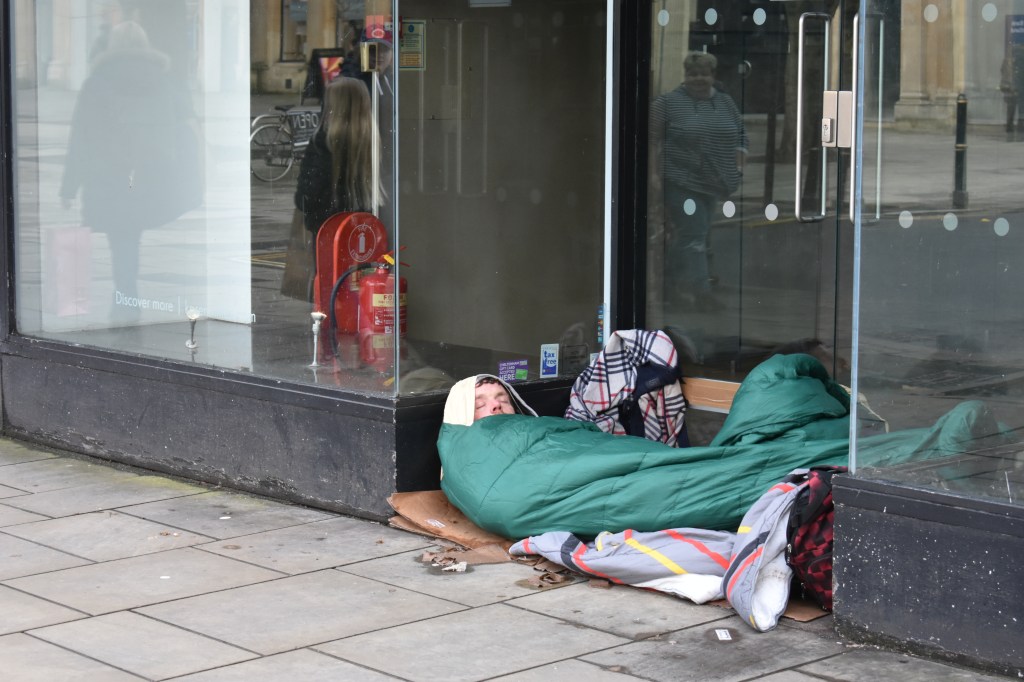
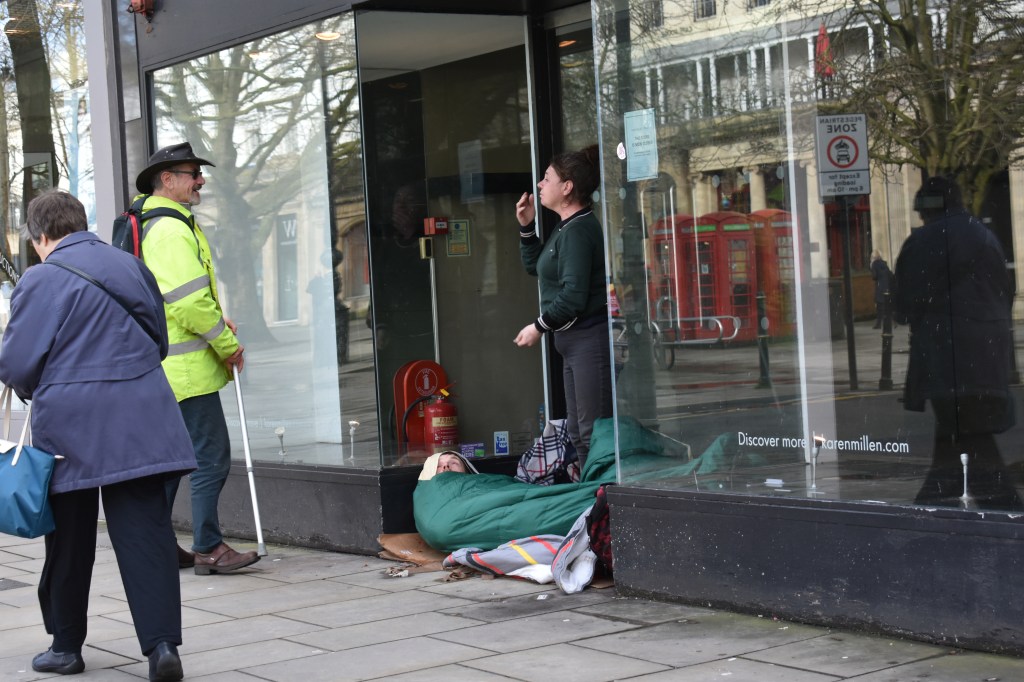
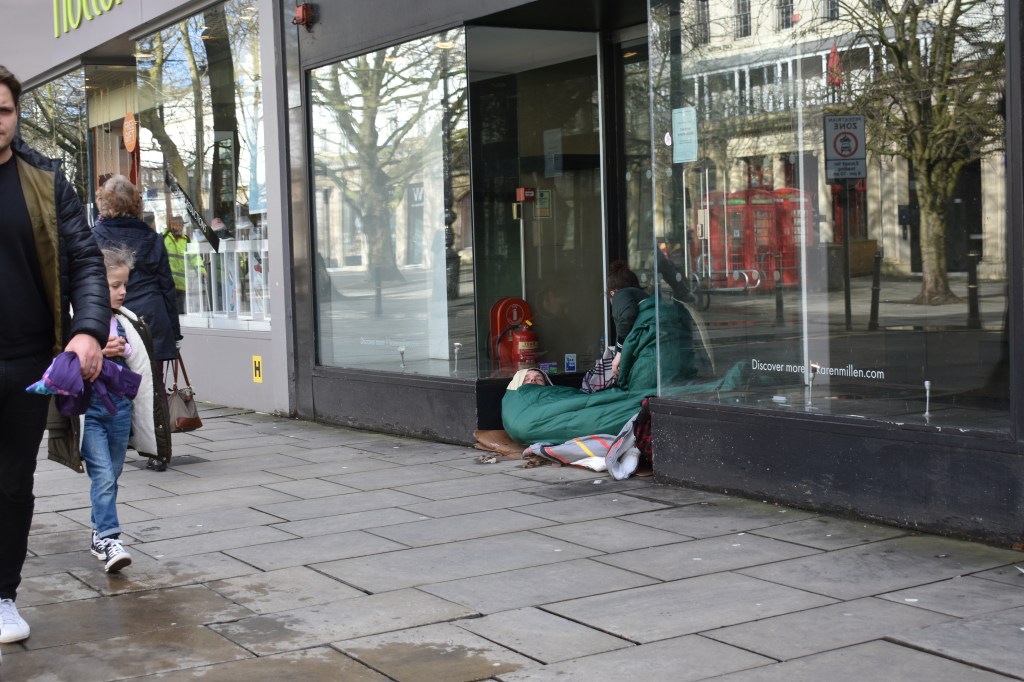
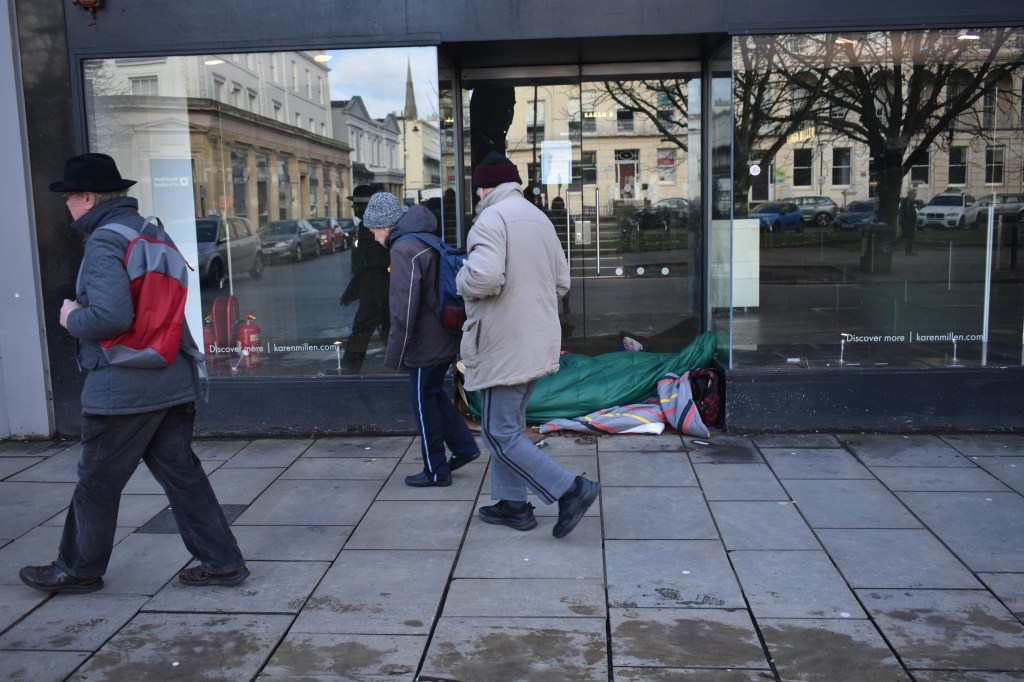
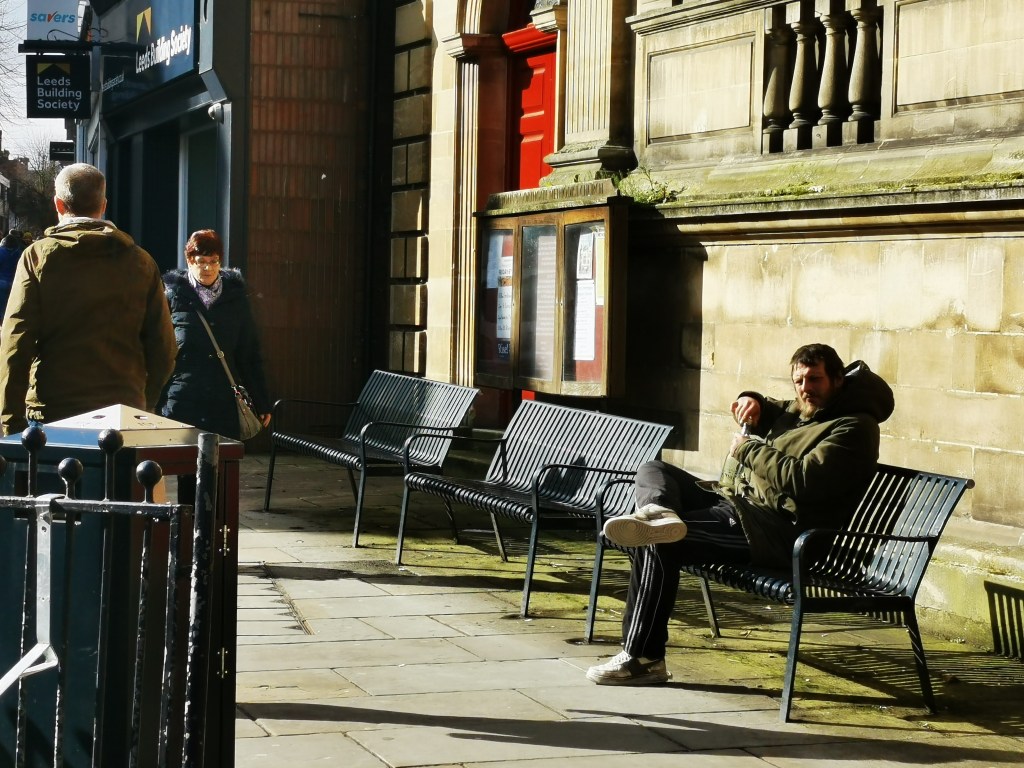
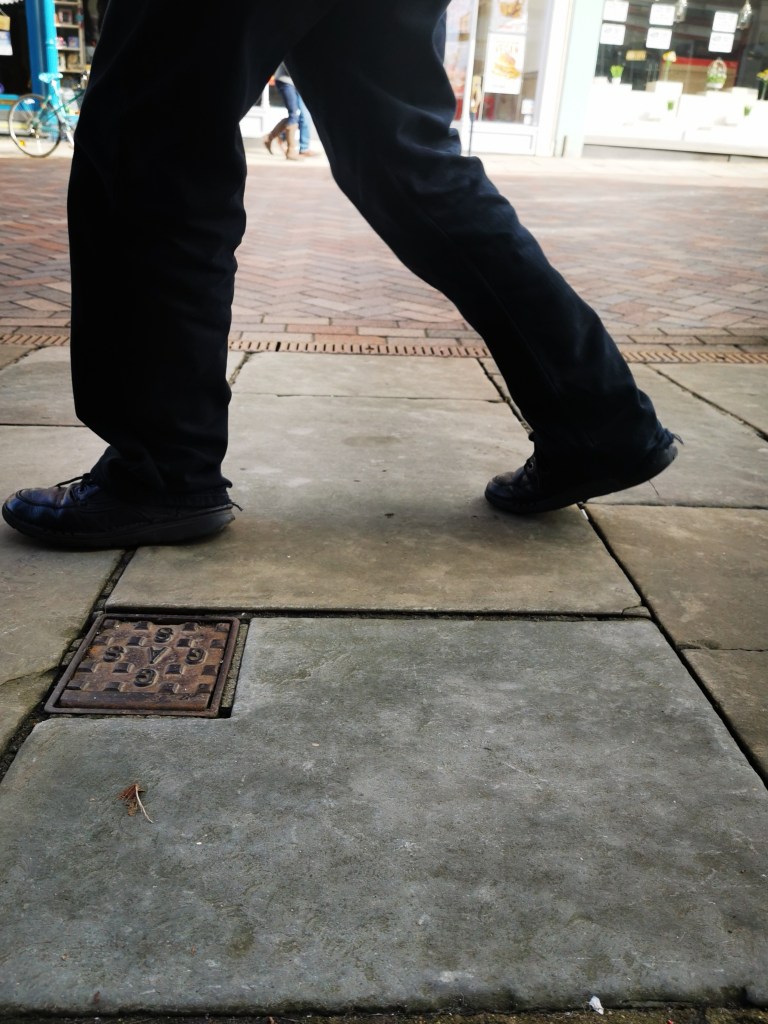
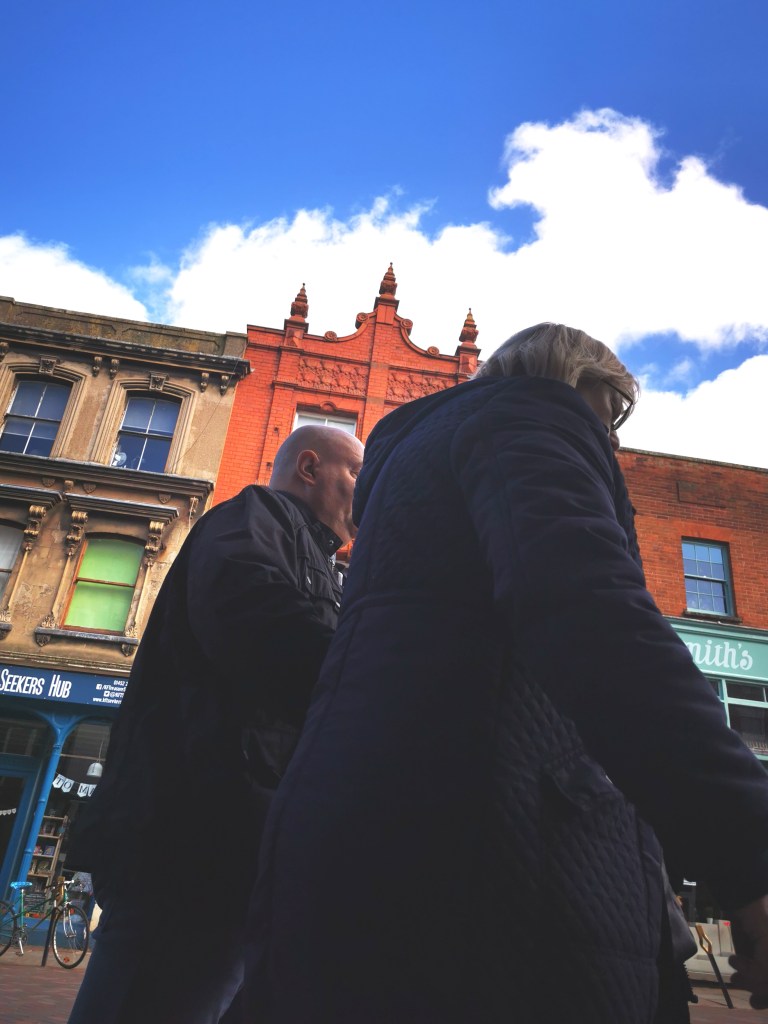
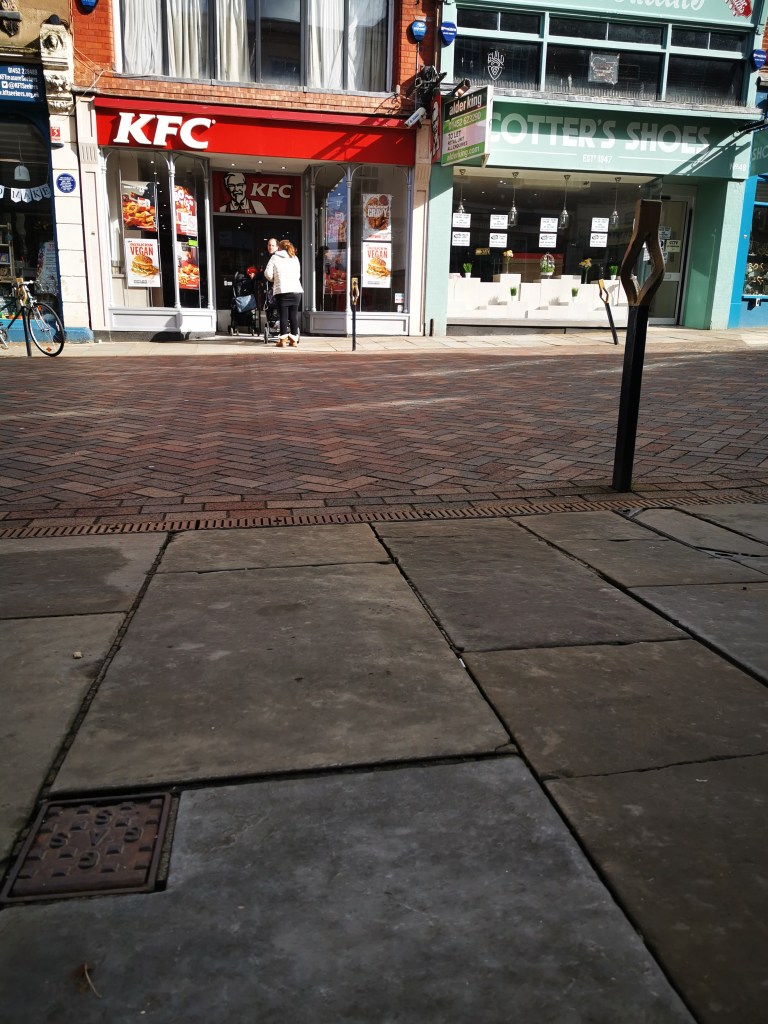
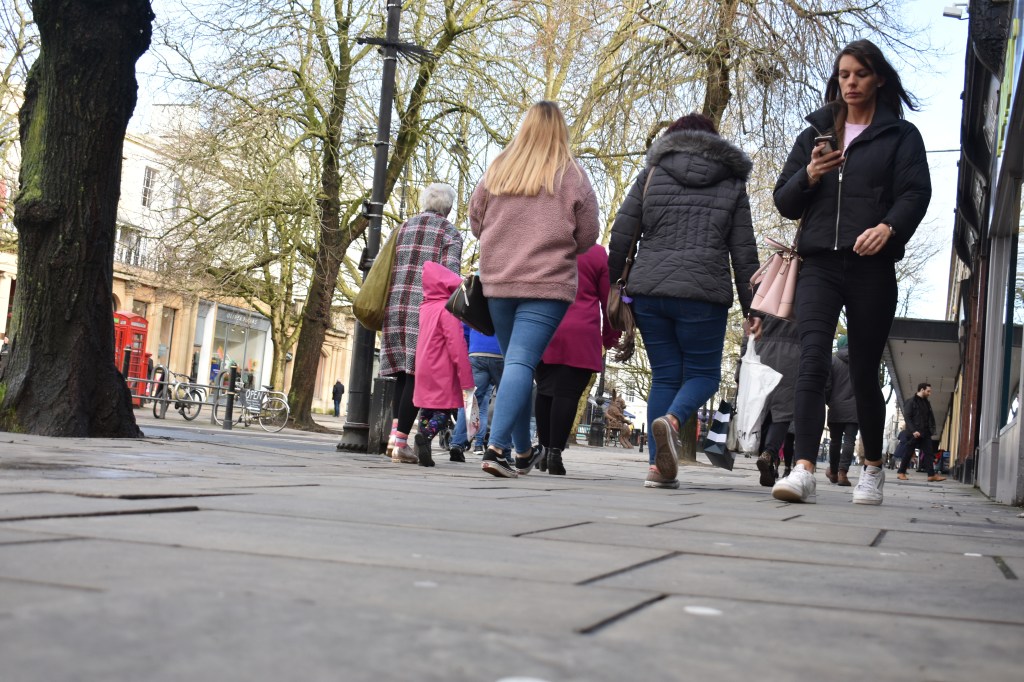
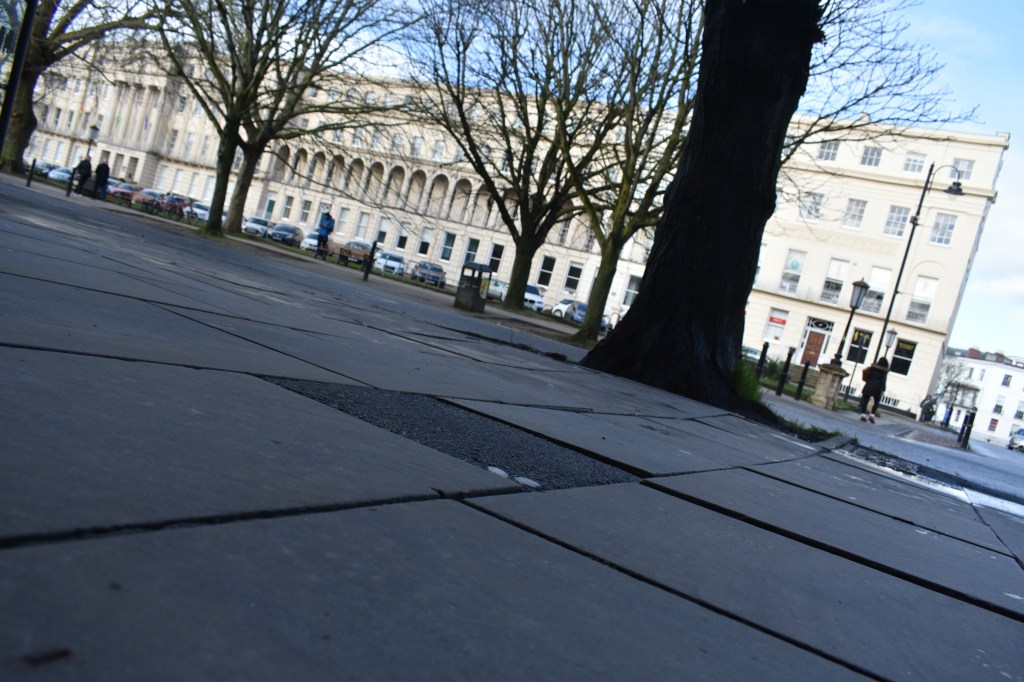
I have made work showing how the public view the homeless on the street, the photographs are taken from the view point of a passer by on the street. The second set of images is from a the perspective of the homeless person, taken lower down with what they would see from a sitting or lying position. The images differ in colours, the public view are more colourful and more subjects are included in the image, a more positive, ordinary feel to these images. The set “The View From The Other Side” shows more concrete pavement and people from a completely different point of view, hardly every seeing people’s faces as they look away or avoid eye contact.
Image 0832a is one that stands out for me because of the interaction between both sides, the look of hope on the man’s face who is in his sleeping bag is one of desperation and hope which I find very sad. This is a common image seen on the streets of Britain, I do prefer the set of images taken from the perspective of the homeless individual,these leave the viewer to find a meaning beyond the initial visual.
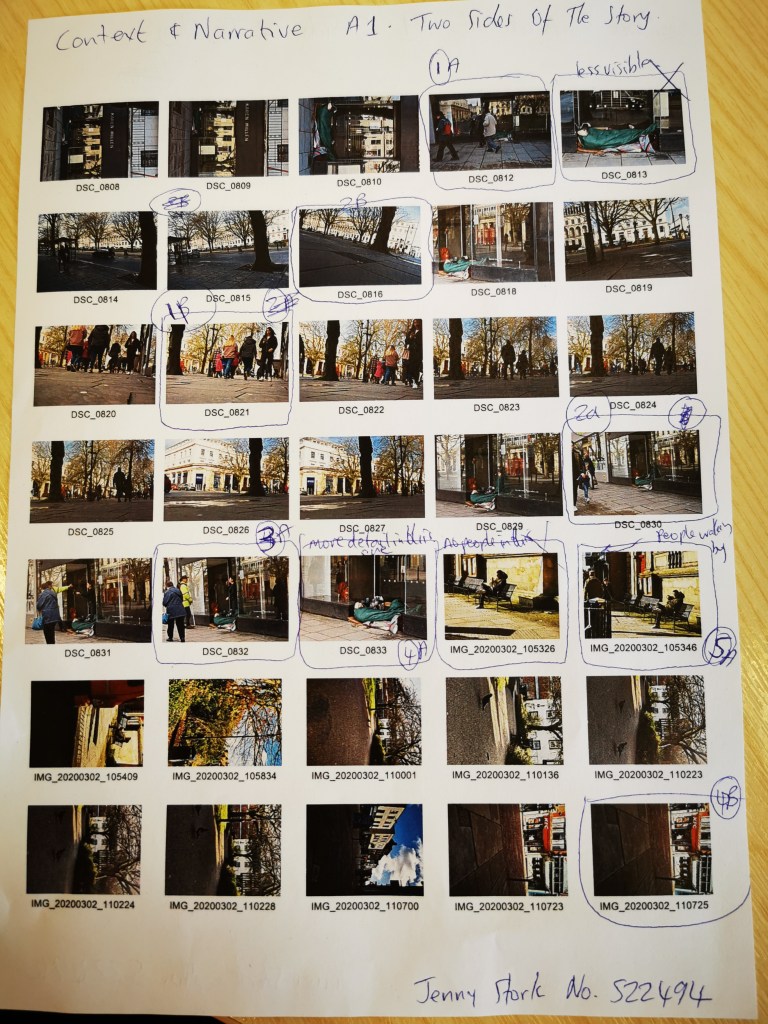
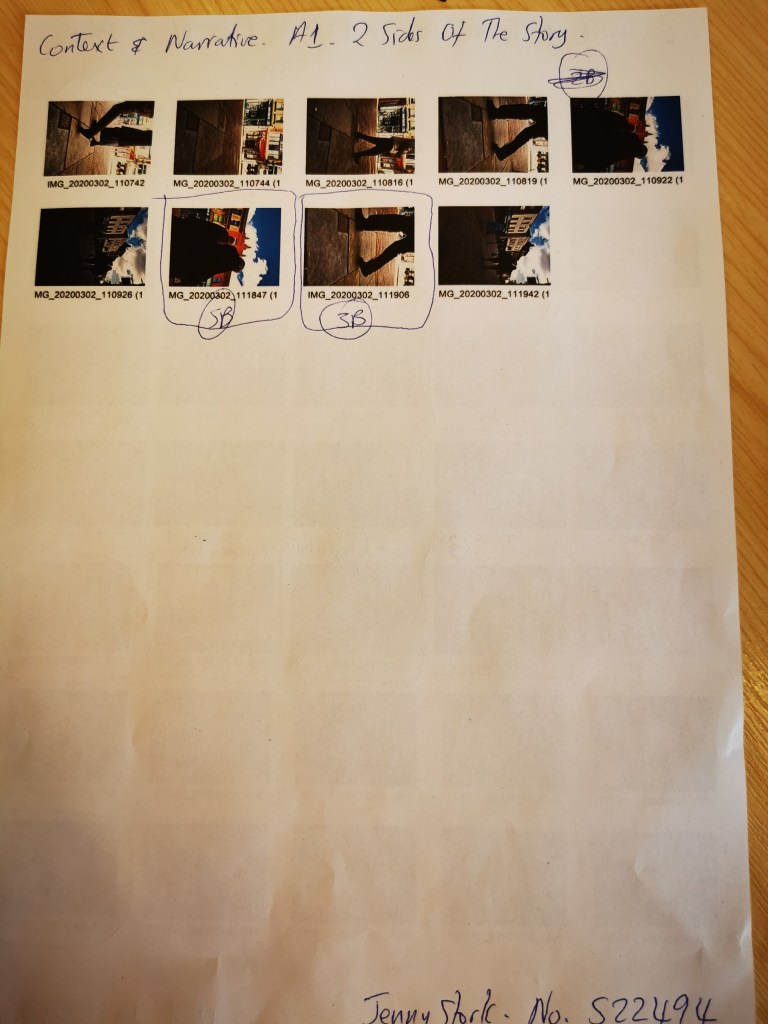
Annotated Contact Sheets show my thought process for selection of the images
Download the full contact sheet below :
The Public View
The View From The Other Side
Bibliography
Juliangermain.com. (2020). Julian Germain “No Mundo Maravilhoso do Futebol”. [online] Available at: http://www.juliangermain.com/projects/nomundo5.php [Accessed 2 Mar. 2020].
 Jenny Stork: Photography 1: Context & Narrative