
Tutor feedback has been really comprehensive with a great deal to digest, rework and read up on which is really positive for me because this learning experience, with some hard work will improve my understanding of this subject greatly.
Restructuring The Explanation Of My Work
This is the first rework that needs to be done as feedback was that my original explanation of the work I made was disjointed : my tutor has suggested the following :
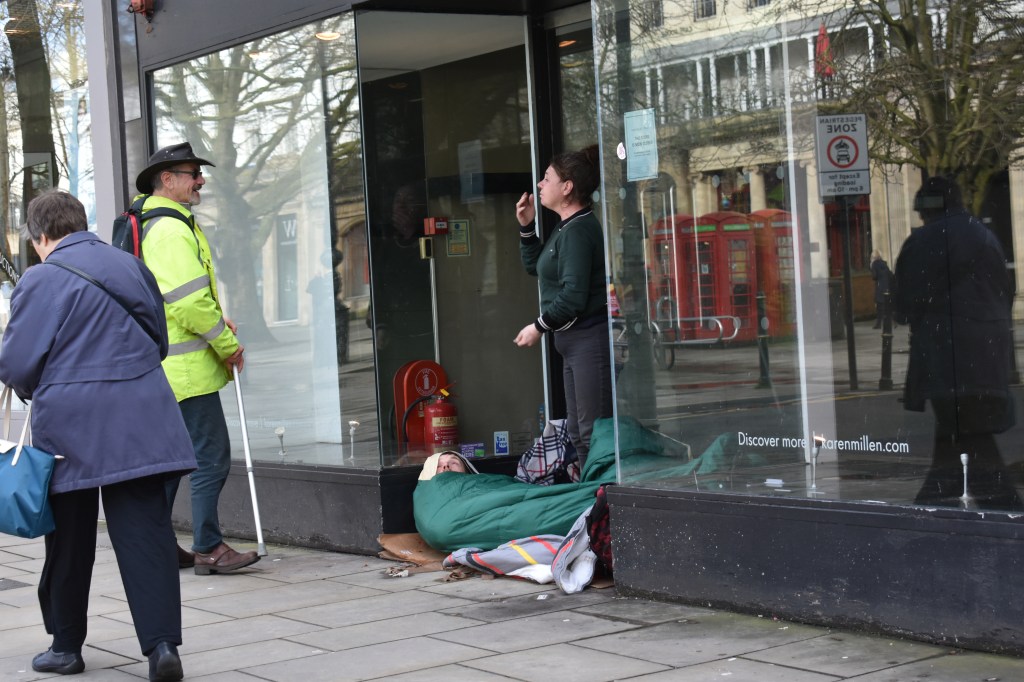
- Content : Homelessness
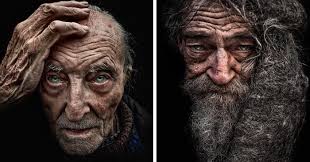
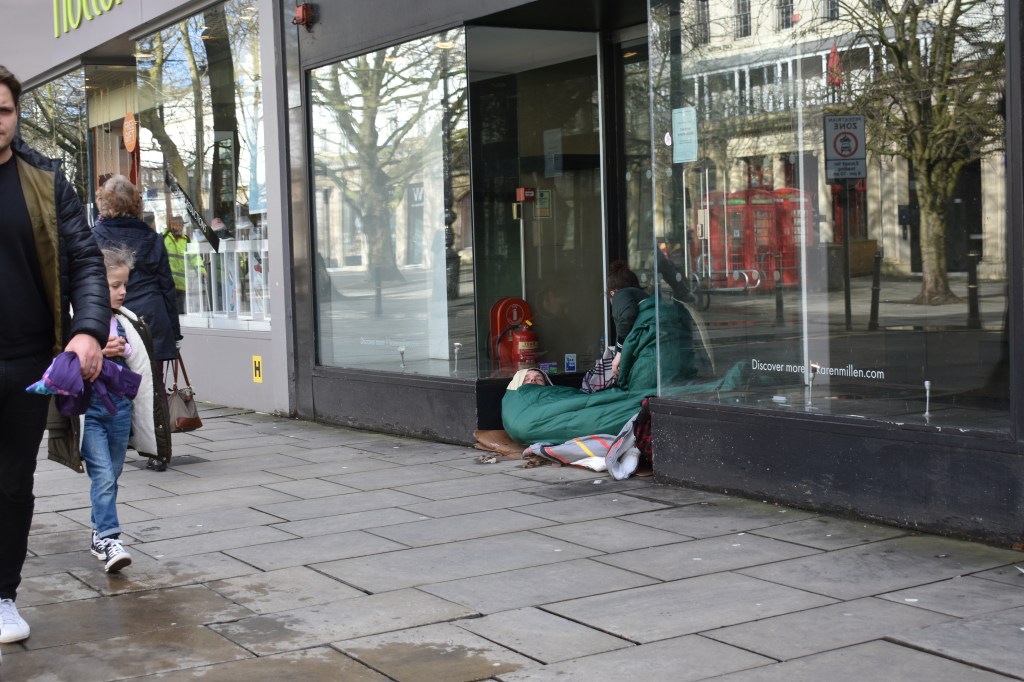
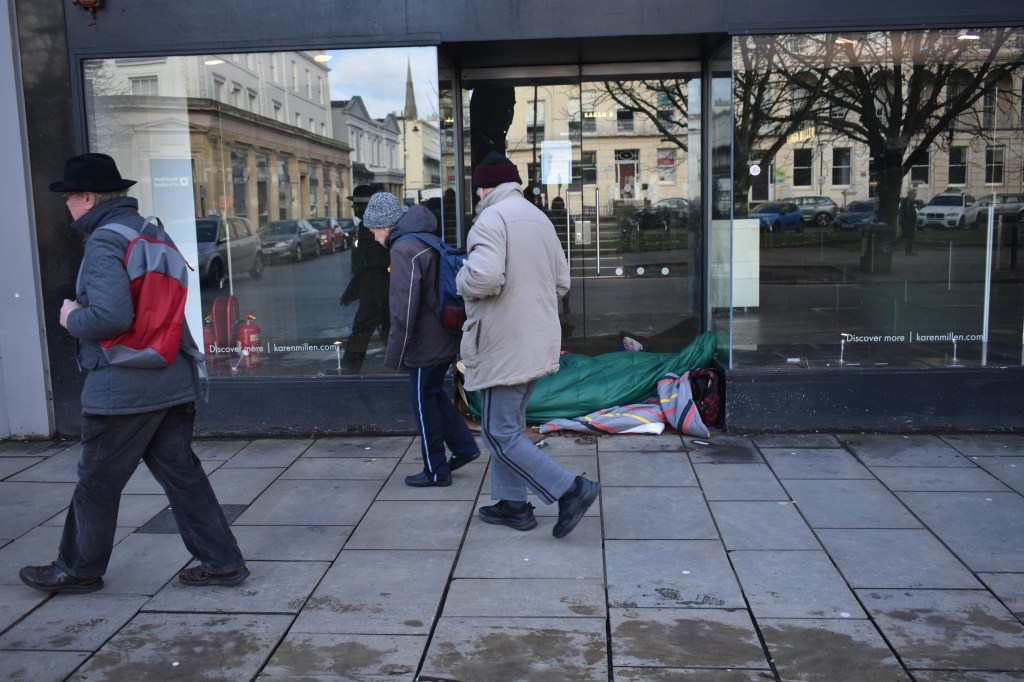
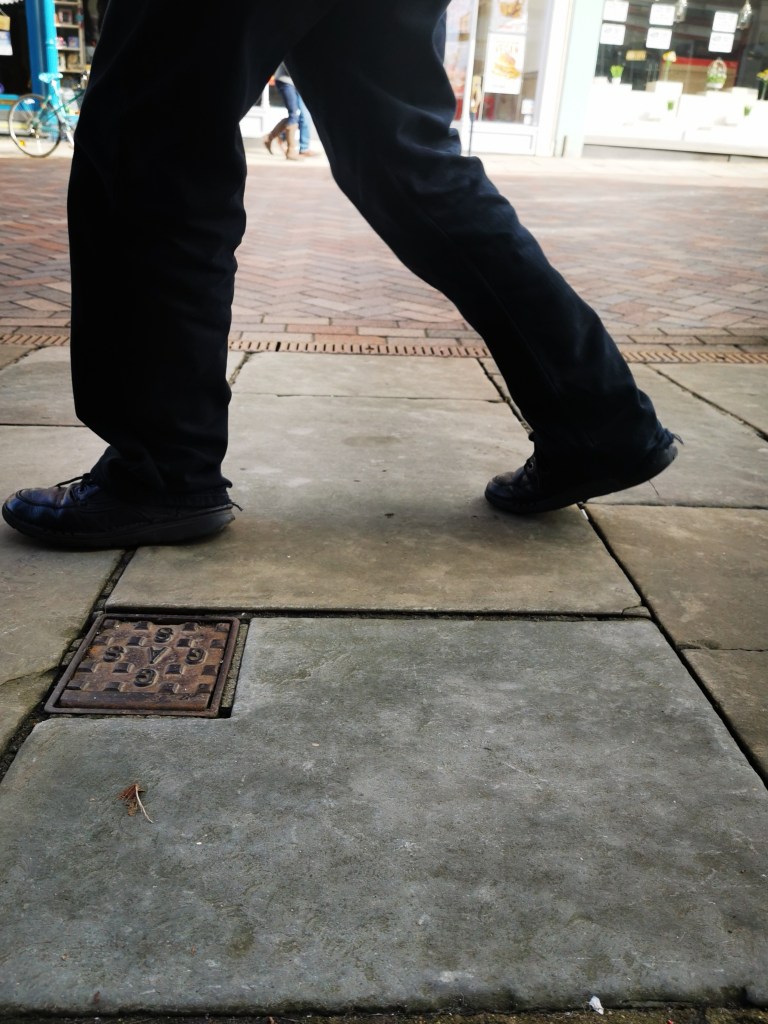
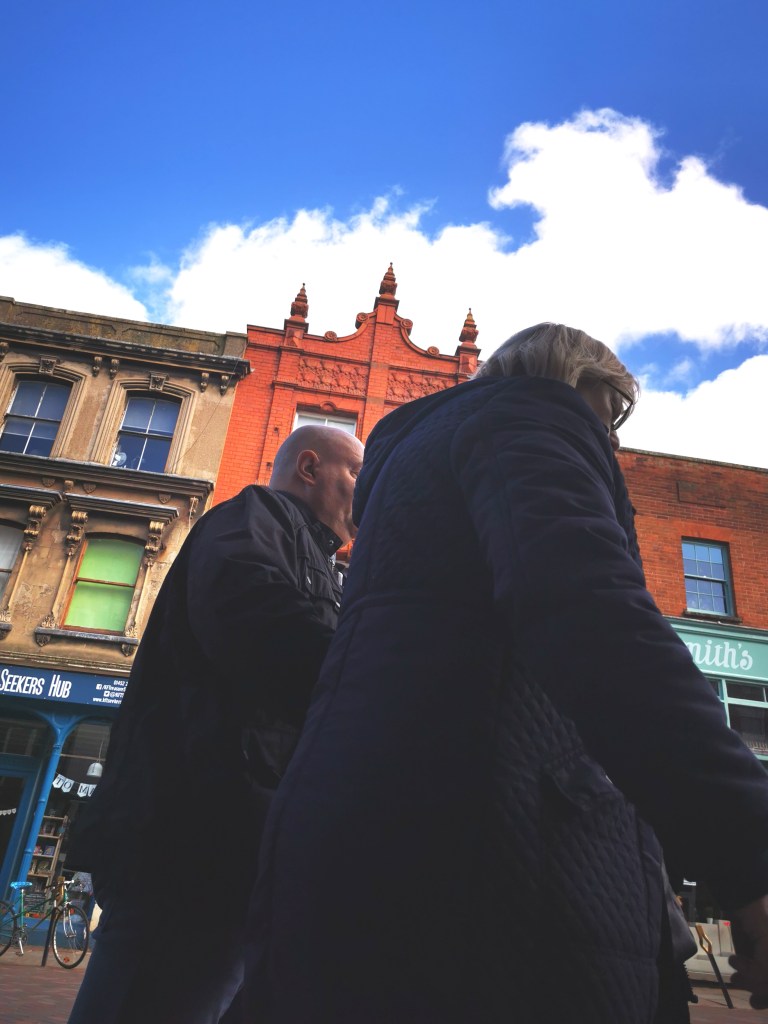
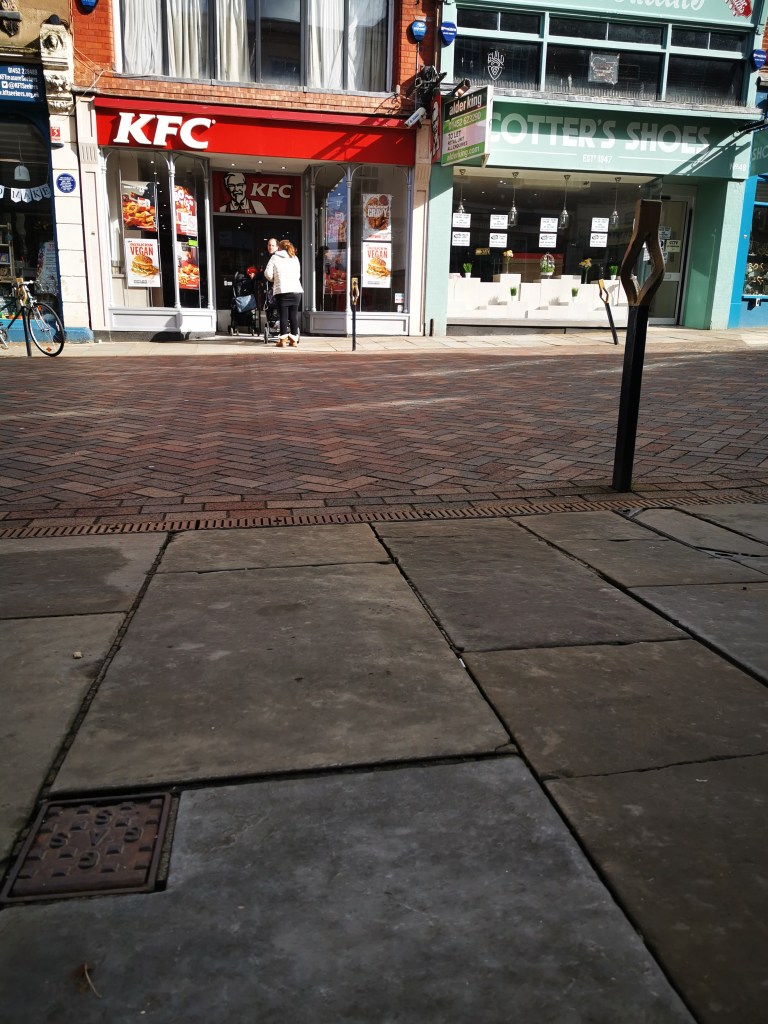
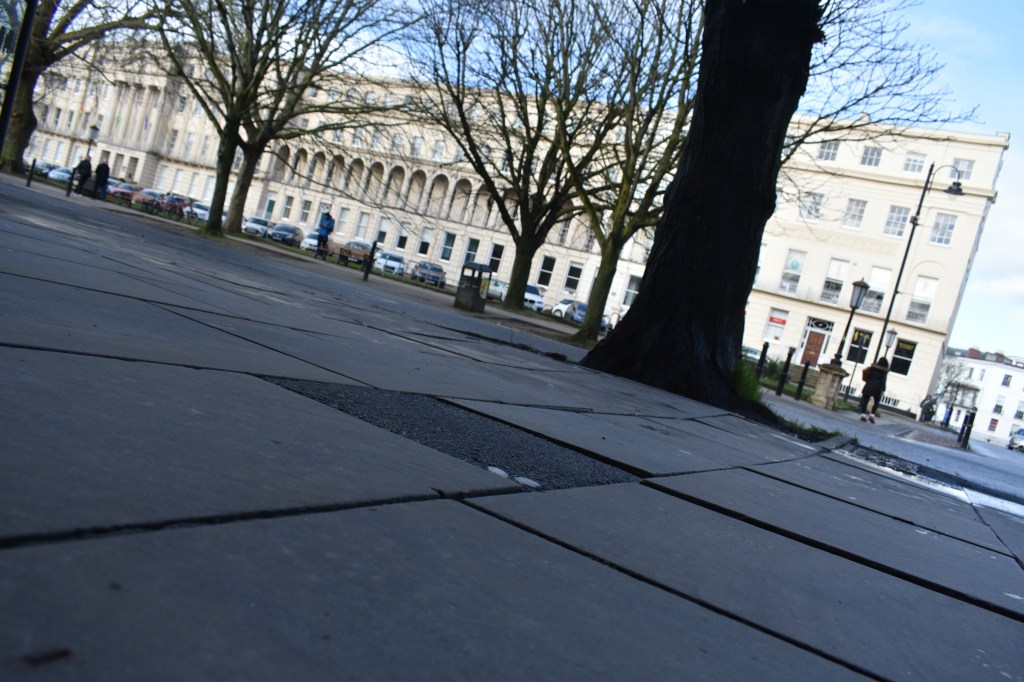
- Form: (The shape of content, How it is composed, arranged and constructed visually) Light, colour, texture. Strategy of Point Of View shots presented at Landscape/Portrait dichotomy format images to allude the “two sides of the story”
- Context: Documentary “ways of seeing” and giving power back to the subject (photovoice) – challenging previously held assumptions of the genre itself (reformist and paternalist ways of looking down upon destitution)
This is really useful because I now have an example of how I will approach my next explanation of Assignment 2.
Expression And Analysis Of Images
Relate the images to Barret’s different contexts before further study on representation as a process. Reading up and understanding analysis methodologies will help me explain and describe the images to an audience who has no prior information about the work I have produce. (see link in bibliography for notes taken from reading Barret’s text)
Make keyword notes next to the images you submit – each image has an objective and need to remember that viewers are coming into the images cold and not have the background to what they are so they need to be shown.
At this level it is semiotic analysis and then level 2 it goes deeper with how this affects the viewer – Gillian Rose’s Book Visual Methodologies is good to dip into – get used to this now in preparation for the next level
Extract From A Link Sent by my tutor on reading photographs (see bibliography for the link) :
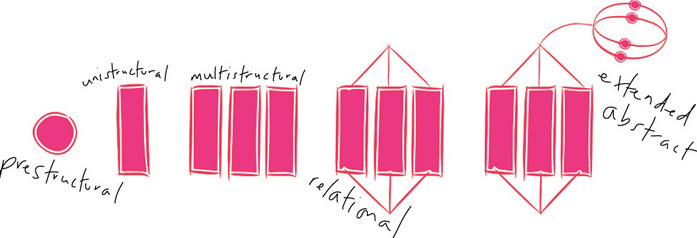
Unistructural: simple obvious connections are made but their significance is not fully grasped.
Multistructural: several connections are made, but the meta-connections between them are missed, as is their significance for the whole.
Relational: the student is able to appreciate the significance of the parts in relation to the whole.
Extended Abstract: the student is able to make connections not only within the given subject area, but also beyond it, able to generalise and transfer the principles and ideas underlying the specific instance.
Editing And Sequencing
My tutor has helped me edit and sequence my submission which has been hugely helpful in improving my next assignment. He said that it has taken him 10 years of hard work to get to be able to do this so I need to practice. He has also very helpfully given me a suggested process to use :
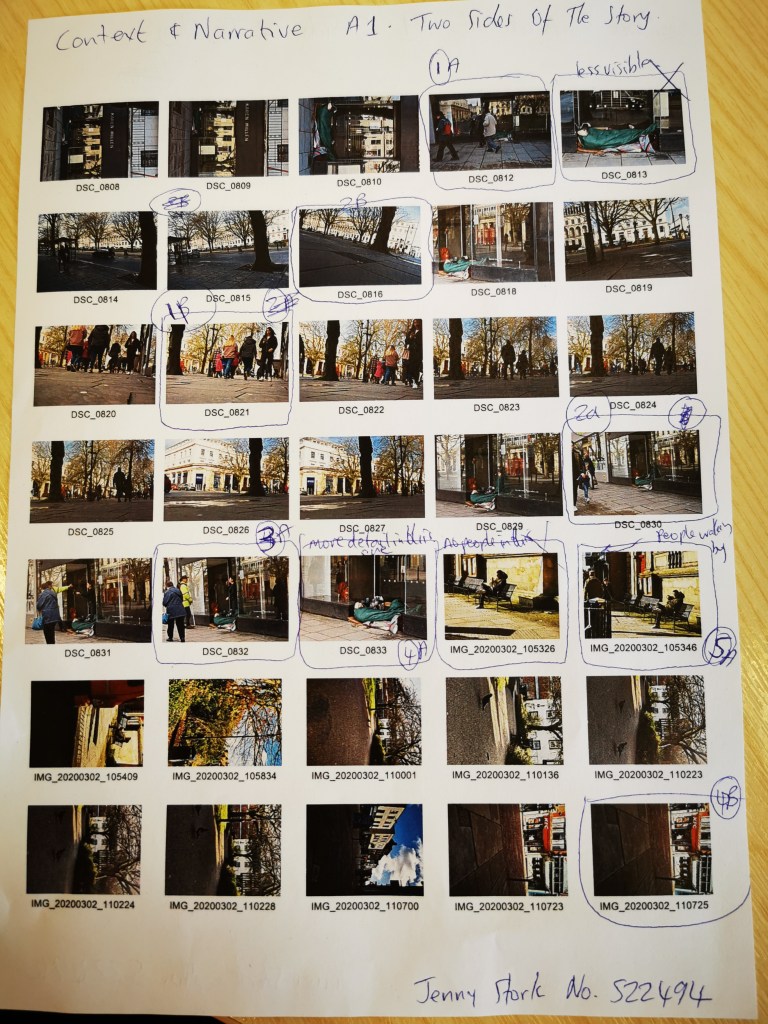
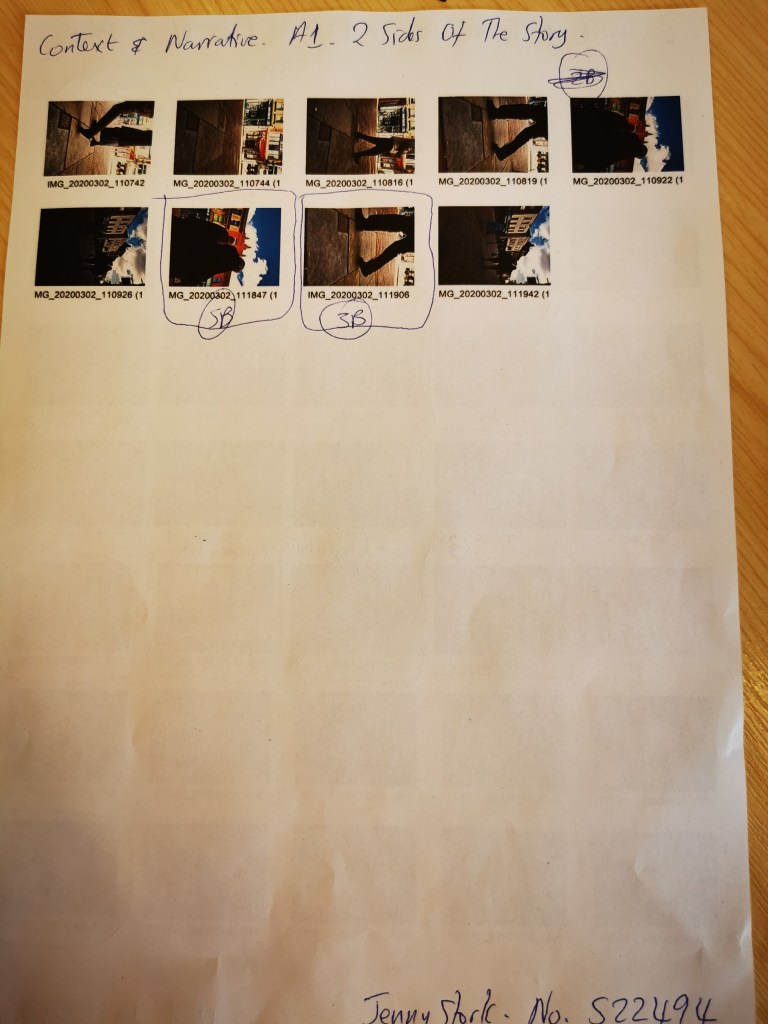
- Contact sheet – edit out the technically imperfect (print out and annotate)
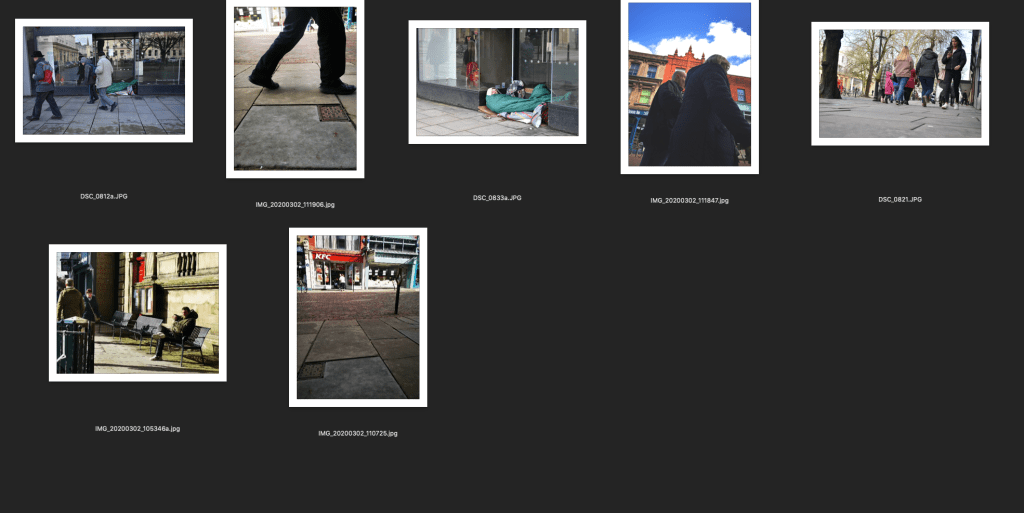
- Small jpegs to edit ( 6×4″ prints) to edit – photograph the desired layout and sequence or create a PDF like the example sent to me by my tutor)
- Naming the files in their preferred sequence for submission to tutor
- Revision before assessment
My tutor has made a suggestion to the re sequencing and has suggested that the view of the onlooker is landscape and the view from the homeless person’s side should be portrait – this is relating to a person and so it has synergies.
Jorg Colberg 2012 research into editing and sequencing is needed and set up a zoom meeting for help from my tutor for this before submitting my next assignment (see link in bibliography below for research carried out)
Learning Log and Research Structure
When writing blogs on learning log – don’t make it hard for the assessor to find out what you have researched – the student needs to show the work and not tell – make links to other parts of the website to other blogs to explain why certain points are being made and why its relevant. I have done this in this blog so I can start as I mean to go on and have included in the biography below where I have done additional research or reading relating to a particular point.
Outline in the research and analysis in this order:
- Content : different ways to depict / contrasting practitioners (analysis in terms of genre and function)
- Documentary impulse from history ie. photojournalist “outside looking in”
- Codes : use of vantage point : point of view shot ( cinema studies)
- Expanded context “Photo Voice” (Germain et al, allowing the poor to represent themselves or at least show how/what they see
My work needs to be less speculating and more showing research as reasons for thinking or doing certain things – rather than telling
Conclusion
My first feedback session has motivated me to work on suggested areas and make the next assignment better as a result. There is a great deal of reading and research needed which needs to be planned in and done so I can improve.
Bibliography
Stork, J., 2020. Photobooks : J. Colberg. [online] Jenny Stork: Photography 1: Context & Narrative. Available at: <https://contextandnarrativewriting.poetry.blog/2020/04/01/photobooks-j-colberg/> [Accessed 2 April 2020].
Stork, J., 2020. Barrett (1986) Photographs & Contexts Art Education, Vol. 39, No. 4. (Jul., 1986), Pp. 33-36. [online] Jenny Stork: Photography 1: Context & Narrative. Available at: <https://contextandnarrativewriting.poetry.blog/2020/03/25/barrett-1986-photographs-contexts-art-education-vol-39-no-4-jul-1986-pp-33-36/> [Accessed 2 April 2020].
PhotoPedagogy. 2020. Photo Literacy. [online] Available at: <https://www.photopedagogy.com/photo-literacy.html#> [Accessed 3 April 2020].




 Jenny Stork: Photography 1: Context & Narrative