Unit 3 Research: Tierney Gieron: Controversial Family Portraits

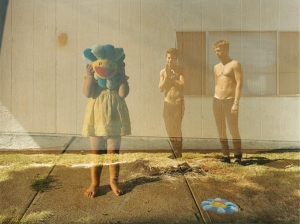
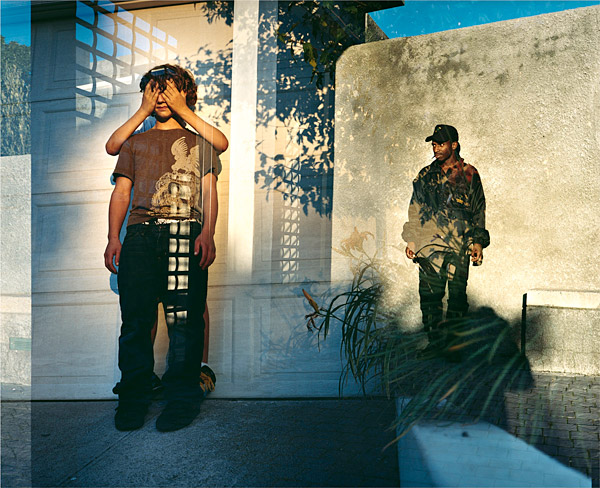
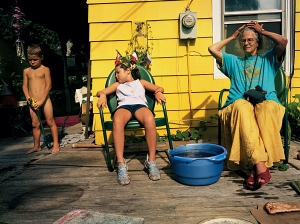
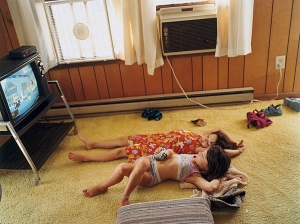
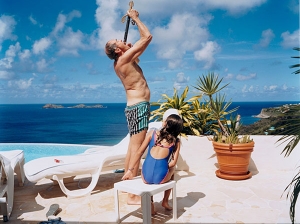
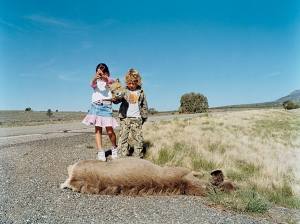
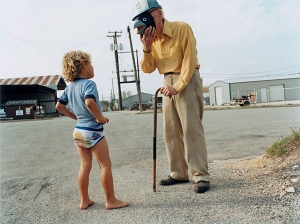
An Ameican photographer who has been considered controversial because of candid shots of her children. She shoots life as it happens within her family and often offers very little explanation as to the meaning of the images.

Main bodies of work include:

Explosure

These are double exposure images of the photographer and her family

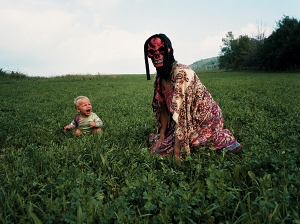
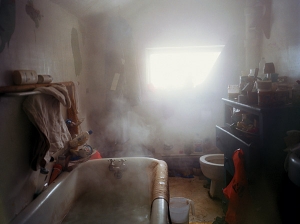
The Mother Project

With her kids in tow, she chronicled visits to her mom in upstate New York, shooting spontaneously as events occurred, walking in fields, peering or placing herself in quotidian bedroom or bathroom scenes. As she went along, sometimes she would add an element to see what might take place — asking her mom to put on a mask for example — then shoot.

I Am A Camera

This was her first exhibition and it proved very controversial because of the naked images of her children. This is a documented recording of the artist’s family, and were not staged, although props were used and the photos were taken with careful composition in mind. Innocent and grotesque exist alongside each other in many images within this series.

Bibliography

Tierney Gearon Photography. 2020. Bio – Tierney Gearon Photography. [online] Available at: <https://www.tierneygearon.com/bio/&gt; [Accessed 23 October 2020].

Unit 3 Research: Richard Billingham: Squalid Realism

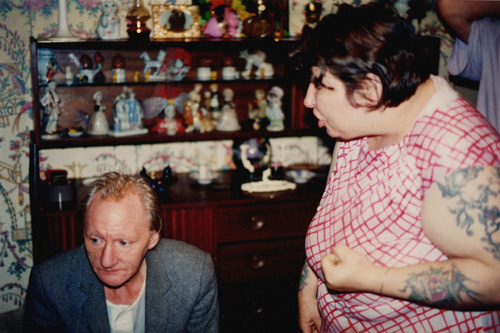
A British photographer who has focused mainly on work of his family, based in the east midlands.

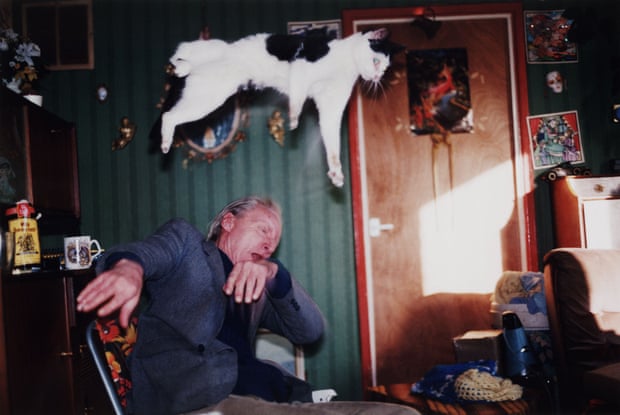
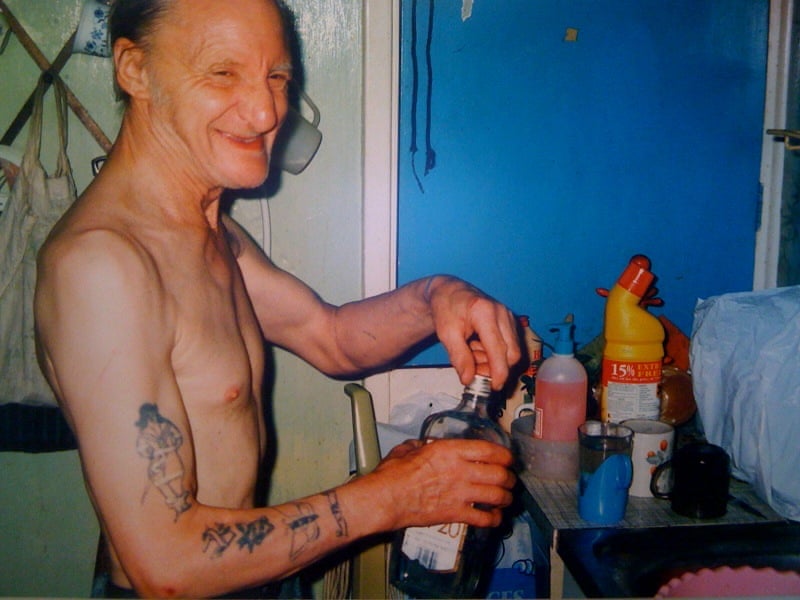
He was the pioneer of squalid realism, documenting the harsh reality of life growing up in a council flat with his alcoholic father in the Black Country. The private part of family suddenly became very public. His photobook called Ray’s a laugh is about a close to home account of his parents. He documented their chaotic life with his camera from a young age. It is a classic depiction of Poverty in Britain in the 1980s. At the time this sort of candid photography was something new and it stood out as shocking.

I find the photos very interesting from a social history perspective, the decor in the flat adds to the overall feeling of deprivation. The way the shots are quite obviously not staged makes them feel somewhat voyeuristic.

The main subject, his parents are the main subject within the image, but there is balance with the numerous other objects in the images that represent the clutter within the house, one even has a cat in it. These are made to feel even more authentic as reality since the parents aren’t posing but going about their lives as if the photographer wasn’t even there. In reality they probably hardly noticed he was there taking photos because his father was drunk most of the time and his mother preoccupied with TV or keeping her husband in check.

Bibliography

Roupenian, K., 2020. A Photographer’S Intimate Self-Portrait Of Womanhood In Middle Age. [online] The New Yorker. Available at: <https://www.newyorker.com/culture/photo-booth/a-photographers-intimate-self-portrait-of-womanhood-in-middle-age&gt; [Accessed 19 October 2020].

Unit 3 Research: Elinor Carucci: Realistic Family Portraiture

American/Israli photographer who uses a family portrait style that is not the stereotypical attractive image but a more realistic approach.

Monograph: a detailed written study of a single specialized subject or an aspect of it.

Her main works are monographs and a great example of self reflection and portraiture.

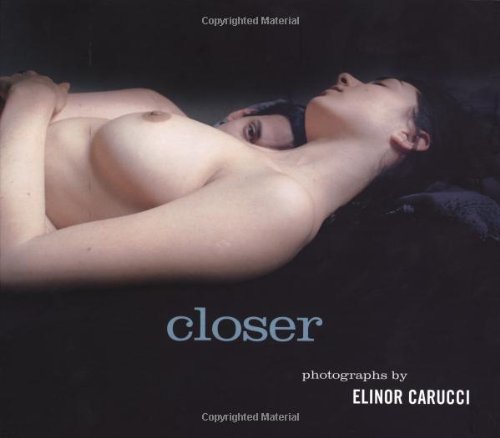
Closer : (2002) immediate family and closest relationships

This was her first monograph and was produced as a book. It touches on intimacy and mortality. She shows parts of family life that usually stay behind closed doors. She feels that the Israeli culture is more open and receptive to the not so pretty images that her work portrays and the American audience can find them shocking at times. This personal study is honest and takes a look at some of the most painful aspects of living that often are never shown, let alone to the public.

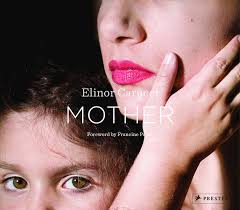
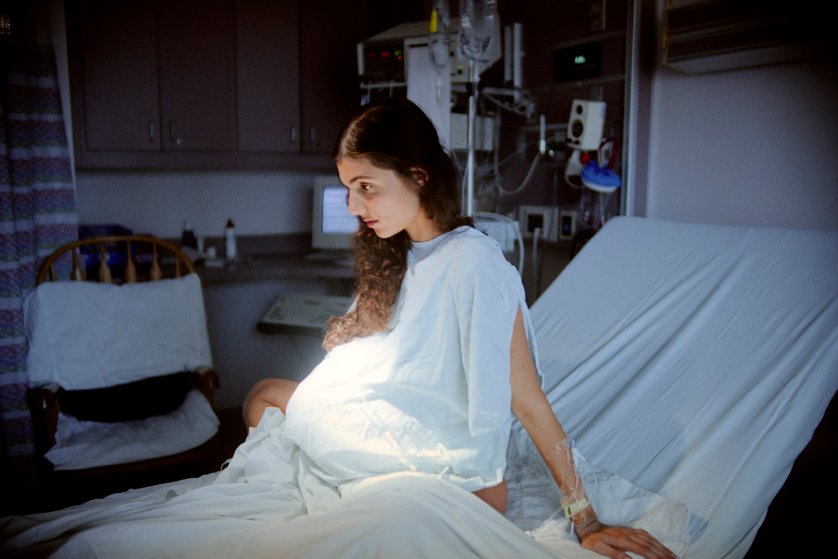
Mother 2013

This work documents pregnancy to the time her children were around 8 years old, a time where they gain independence. This work, as opposed to her previous work forced her outside, following her children. It captures the highs and lows of being a parent. It could also be called a photo diary.

Being a parent makes you see the world through new eyes. Similar to her other works, the everyday is central to her work.

Midlife – 2019

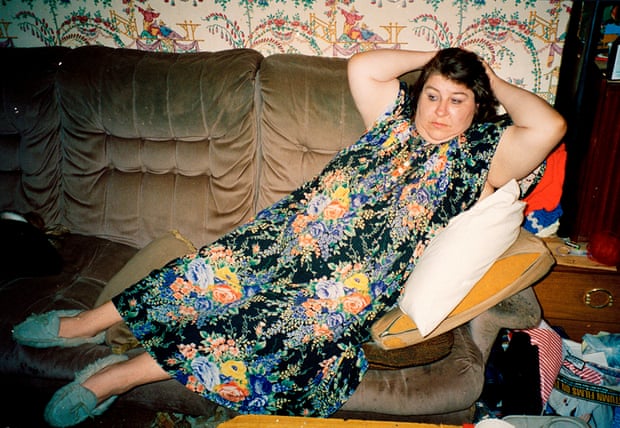
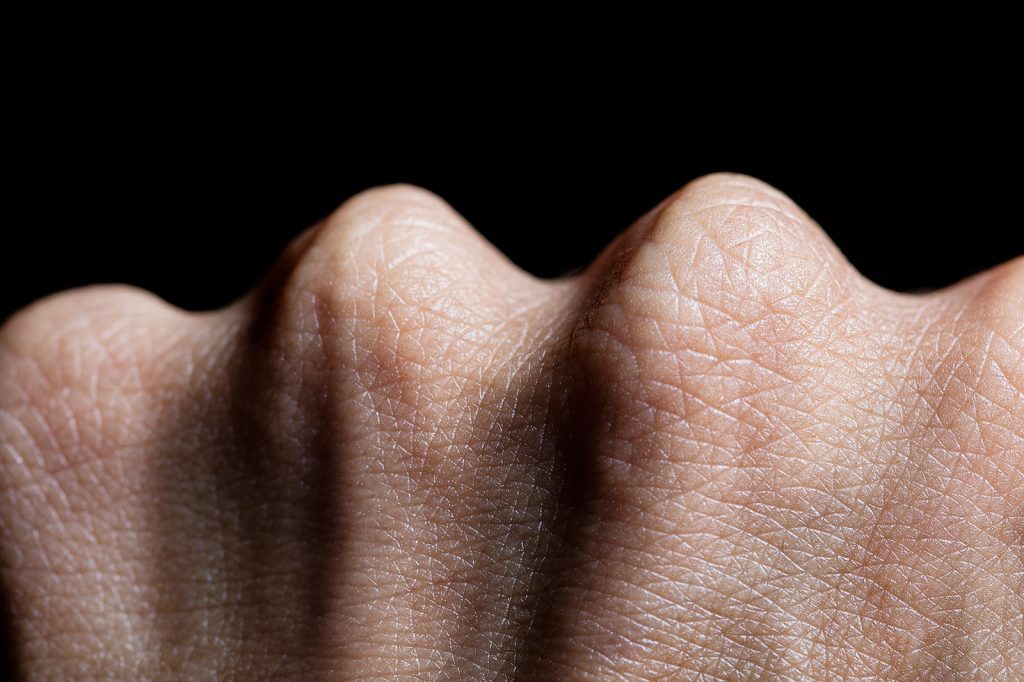
Elinor captures close up magnified parts of her body as well as the seemingly mundane domesticity of her life. The close up images reflects how woman often overthink and magnify imperfections on parts of their body, these show the imperfections that emerge in midlife. The middle aged woman seems to become invisible and this work highlights this and makes them visible again.

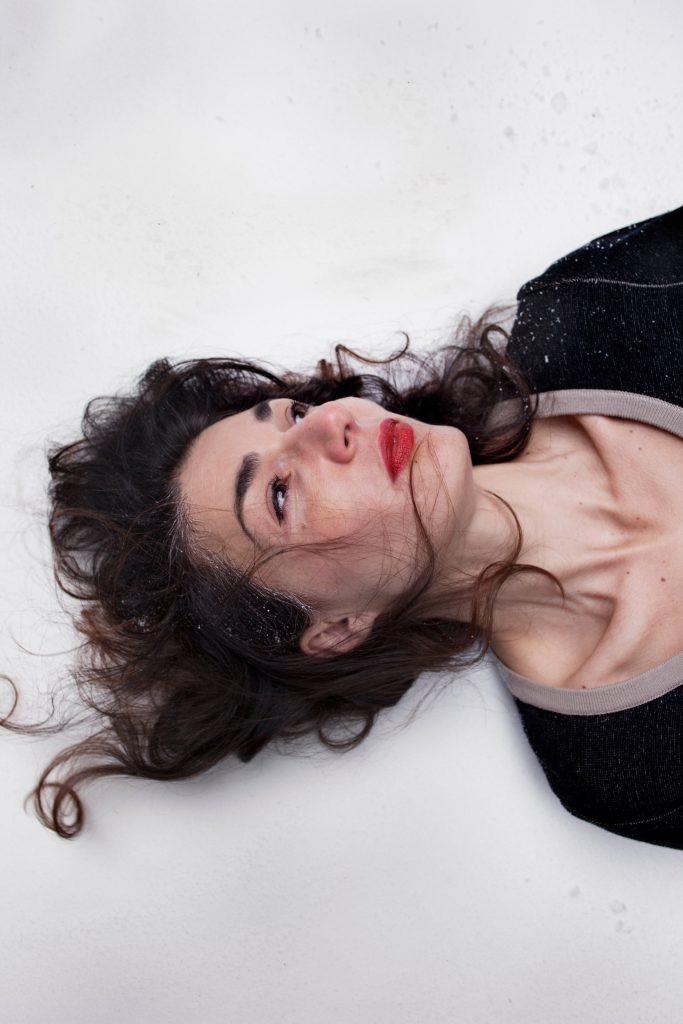
Snow and Grey Roots 2015
Mountains on my Hand 2016
Signs of Time 2017
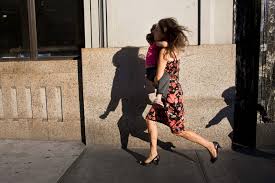
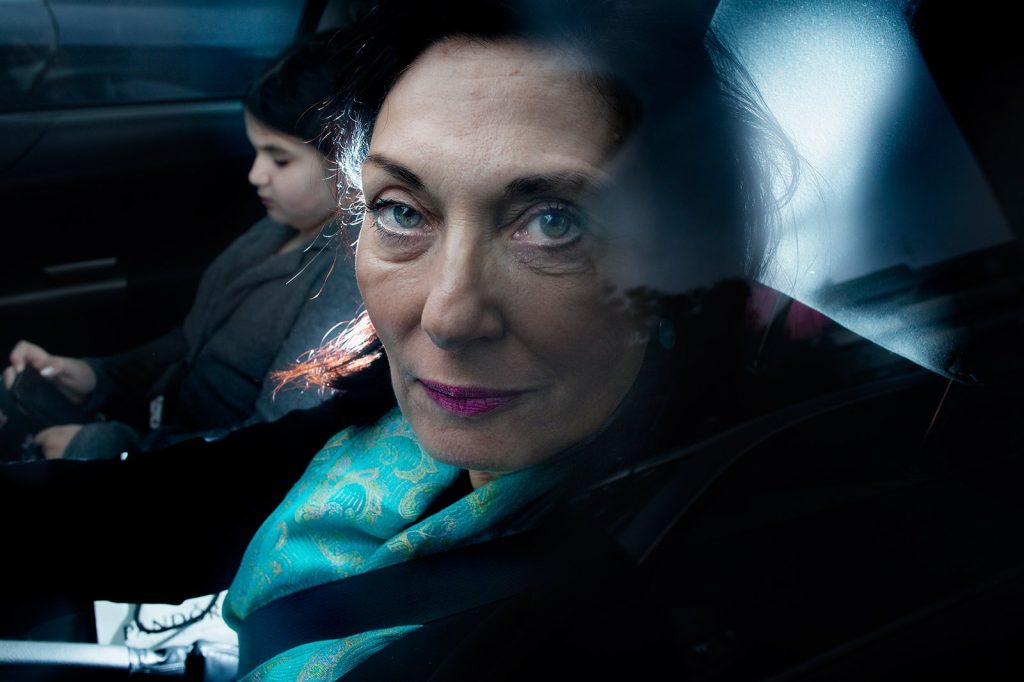
In the Car 2015

Bibliography

Roupenian, K., 2020. A Photographer’S Intimate Self-Portrait Of Womanhood In Middle Age. [online] The New Yorker. Available at: <https://www.newyorker.com/culture/photo-booth/a-photographers-intimate-self-portrait-of-womanhood-in-middle-age&gt; [Accessed 19 October 2020].

A2: Photographing the Unseen: Key Learning Points

The meaning of “Discourse” is explained well by Graham Clarke in his book “The Photograph”:

“That reading (any reading) involves a series of problematic, ambiguous, and often contradictory meanings and relationships between the reader and the image. The photograph achieves meaning through what has been called a ‘photographic discourse‘: a language of codes which involves its own grammar and syntax”.

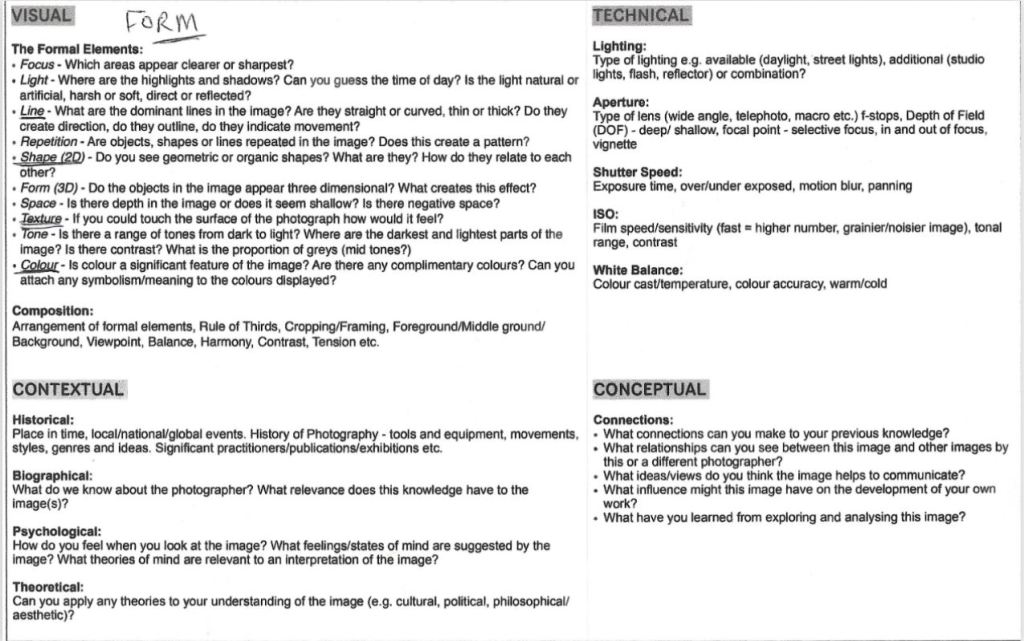
Use keywords to describe the images you make for your assignments: How to critique a photograph and the language of the photograph is something I am still trying to get to grips with. Using the framework given to me by my tutor should help in my next assignment:

Photographic codes is something new to me, I now understand a little more about this concept, an example about how lighting creates codes, an uplight on a portrait creates a spooky feel to the character, backlight gives glamour and diffused light gives a flattering feel to a portrait.

I am still getting to grips with getting an effective workflow routine where cataloging of photographs so retrieval is possible many years down the line is done effectively.

Theory informs and enriches our practice: The two main writers who discuss the definition of context are Terry Barrett and John A Walker and Bate around the history of photography at three key times, the start in the early 1800’s, the 1920.30’s and the 60’s to 80s, these times in history created theory around the subject and some well known essays from these periods are referenced today by students.

Print out photos at the editing stage to select the best set: A step forward for me this time was to print several of my images and lay them out and re arrange them and see what fits together visually and as a narrative. I looked particularly at a common theme of form and colours in my chosen series. This is something I am just going to have to continue practicing. I re read relevant parts of Jorg Colberg’s book, Understanding Photobooks before starting this process to guide my thinking and refresh myself of the principles involved. I am hoping this becomes more natural to me with practice.

Useful website for photography teachers and students:

https://www.photopedagogy.com/

Photography, The Key Concepts (Bate 2009) – Unit 2 Reading

Feedback from Assignment 2: Photographing the Unseen, was that I need to do more reading around the theory of photography in order to describe my images using the language that relates to the theory around photography practice. I have made notes below on the key points in the suggested reading recommended by my tutor. I am learning that becoming more knowledgeable about the theory will improve my work and ultimately will feed through into my practice, with hard work and consistent application and effort of course.

A short History of Photography Theory

There are three times in history when outbreaks of theory in and on photography have occured:

Late 1830’s when photography was invented

1920’s and 30’s when mass reproduction happened

1960’s, 70’s and the beginning of the 80’s – Postmodernism

Victorian Aesthetics – 1830’s: how far is photography able to copy things accurately? Can we trusty photography as accurate representations of the things they show?

If photography copies things, how can it be art?

The camera requires a creative being to bring it into art, the creative use of technology. This debate, to a certain extent is still around today.

Photography was used for reproducing portraits for the wealthy for the majority of time.

1920’s, 30’s – avant-garde and modern theories exploded and tried to situate photography in new ways. Concepts of montage, realism, formalism, democratic vision, modernism, documentary, political photography, psychical realism, and others were all formed in avant-garde manifestos and by individual writers and photographers.

Walter Benjamin’s “The Work Of Art In The Age Of Mechanical Reproduction” (1936) – A German writer and critic. A key essay from that era of explosion of theory that still survives today.

Famous caption from the essay:

“Earlier much futile thought has been devoted to the question of whether photography is art. The primary question, whether the very invention of photography had not transformed the entire nature of art – was not raised!”

He immediately overturns the 19th century debate.

His arguments and ways of thought went on to influence John Berger’s book “Ways of Seeing” first published in 1972. This book located photography, as it still does today, within our social environment, and showed the massive significance photographic images have in terms of their meaning.

1960’s and 70’s : The Critical Turn: The role of photographic images in the agents of culture (cinema, TV, fashion, marketing, advertising) provoked a range of studies about their significance.

Roland Barthes wrote 2 theoretical essays : “the photographic message” on news photography and “Rhetoric of the Image” on advertising photography.

The new thinking about society and culture in Paris (Structuralism) broke out onto the streets with student revolts in May 1968. In USA civil rights movements raised the issue of race and Women’s rights were raised.

Conceptual photography started challenging the orthodoxies of fine art. Artists began to use and interrogate ways photography had overturned traditional notions of art in the manner that Walter Benjamin inidcated in his 1936 essay “Work of Art” Victor Burgin was probably the most prominent – an English conceptual artist turned to photography as a basis for his own practice – his edited volume of essays in 1982 ” Thinking Photography” brings together some of the key new theoretical arguments about photography during this period.

At the end of the 1980’s photography finally began to be absorbed into art institutions in the way it is seen today – as a dominant modern art form.

Photography theory of this period remains a main reference to this day so it’s worth going into more detail:

The Politics of Representation: The role photos play in social relations? How we see the world? Other people in general or see ourselves? The role of photographs in advertising is controlled by the government. Although we see dozens of photos every day, they seep into our subconscious and it’s easy to forget the impact they have on us.

Louise Althusser, a french philosopher argued that ideology is primarily communicated through images, myths, ideas or concepts in ways that we do not usually think about. Manifested through representation, these ideas are unconscious. Ideology is reproduced through ways in which society represents itself to itself. How are these ideas perpetuated and supported? Often by people or institutions who have least to gain from them. The first serious attempt to develop a systematic theory of the ideology of photography was through the discipline of semiotics,a method of cultural analysis most famously proposed and developed by Roland Barthes during the 1960’s.

Structuralist Theory: Structuralism focuses on structures and systems of rules that underpin and organise any practice, and was based primarily in a new, expanded use of linguistic semiotics. The aim was to find out the grammar of forms, like language.

Semiotics: The Study of Signs: Language helps to construct reality. saussure saw that the work that language does that as securing reality. An image of a man throwing a grenade can be interpreted as a terrorist in one view, and a freedom fighter to another. Language and images are not the passive reflection of a pre-existing “real world” they are the way through which we come to see it as represented as “reality”

Photo Codes: We can vary the perspective codes by “point of view” Different genres of photography tend to emphasise different aspects of codes.Lighting is culturally coded, a direction of light has meaning, ie. top light can signify “other worldly” feel or angelic innocence. Move the light behind the head and you have glamour photography, and bottom light makes a face look devilish. a street lamp at night gives a dark moody scene, not ideal for a wedding for example.

Rhetoric: in terms of photography, defines the organisation of codes into an argument. Rhetoric is the art of persuasion and aims to move, please and instruct. Separate codes are meaningless like individual letters in an alphabet, but when combined effectively they have meaning, and we make a “good” or effective photograph. It is from a particular configuration of such codes that the rhetoric of the image determines the range of meaning available from the photograph.

Realism vs Semiotics,they are both two different theories of photography that can be drawn upon when making work.
Teaching About Photography: Photographs and Contexts (Terry Barrett)

Terry Barrett, Art Education July 1986

This article is suggested reading from my tutor in response to the submission of my second assignment, Photographing the Unseen. I have made notes of the key parts of this article below:

Viewers who want to understand and appreciate a photograph need to see what fresh and significant relationships the photographer may have brought about and the means used to make them manifest. Considering context allows this.

Context can be “INTERNAL” “ORIGINAL” or “EXTERNAL”

Internal Context:

Description and analysis of what is seen in the photograph – identification of hte subject matter, consideration of its form and relationships between the two

Photography brings its own set of formal elements and terms, beyond those shared with paintings and drawings and need to be learned and investigated. Focus, dept of field, angle of view, shutter speed, types of illumination, grain size, tonality, contrast range shoudl be explored to see how they effect the subject matter and form and how form and subject combine to express.

Not all photographs can be understood and appreciated solely on the basis of what is shown.

Original Context

These are photographs that need outside contextual information to understand the image.

Original context is information drawn from sources outside the photograph that, if used, adds meaning and therefore a fuller appreciation. It is information that was physically and psychologically present to the photographer at the time the photo was made.

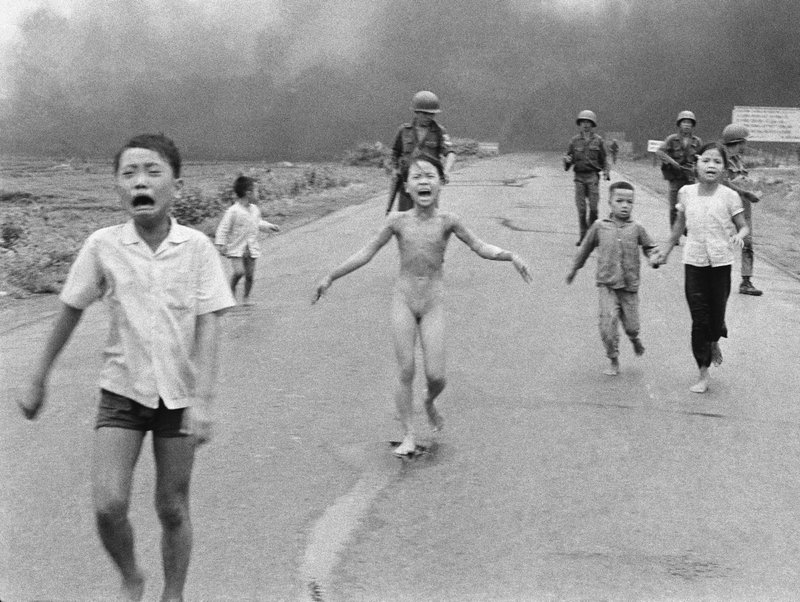
A good example of an image that benefits from original context is the famous image of a naked girl and soldiers fleeing from smoke and running towards us. Knowledge of the circumstances around this photograph is what makes it powerful, the original context is that the girl is Viatnamese and she is burning so has torn away her clothing because she has just been sprayed with napalm. It is about the US involvement in the Vietnam war. This knowledge could never have been gained by simply viewing the image.

Nick Ut’s “Napalm Girl” is an example of how original context is needed to understand the image

External Context

Refers to the photographer’s presentational environment:

How and where it is being, has been presented

Received

How other interpreters have understood it

Where it has been placed in the history of art

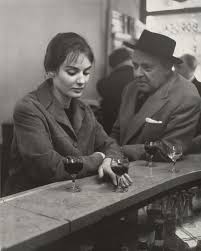
Robert Doisneau’s Photograph: external context has radically altered its meaning

Robert Doisneau, Paris Cafe 1958

5 places (external contexts) for this photograph:

Photo was published in a magazine called Le Pont, devoted to cafes

This photo ended up in a small brochure about the evils of alcohol abuse

French scandal newspaper : “Prostitution on the Champs- Elysees”

Since this misinterpretation this image has also appeared in the Museum of Modern Art in New York and

Szarkowski’s (1973) Looking at Photographs: 100 Pictures from the collection of the Museum of Modern Art

No photograph is presented without context.

Summary / My Thoughts

When presenting my assignments I need to think about and describe the context more accurately. Using the knowledge from this article and others given to my by my tutor has helped me to understand why it is so important to describe the context of the images I make.This is something I need to practice doing so my assignments improve.

Context as a determinant of photographic meaning (John A Walker 2009)

This essay, written by John A Walker (2009) provides useful information about this subject, something I need to get to grips with when writing up my blogs for assignments.

The following are notes I have made as a result of reading this text:

A wedding photography can be in several places, a family album, on the wall in a house or in the shop window of the photographer, in a local newspaper – with each shift of location the photograph is recontextualised and as this change happens so does the meaning.

Most critical analyses of photographs concentrate on their immanent structure ie. their internal relations (part to part and part to whole within the framing edge)

Context is an important determinant of photographic meaning, it continues to influence our perception

When the word “context” is used, it should be really be qualified in order to make it clear which of the several different types are being referred ie architectural, media, mental, socio-historical etc

Recontextualisation dosent usually produce a redical transformation of its depicted content – but merely different parts of the image are emphasised (appear to be important) in different contexts – so it’s whole meaning is modified, enhanced or given a new significance.

However, if an image enters into a montage relationship with either a caption, text, another image or a particularly potent display text, then a “third effect” meaning can be generated from the juxtaposition which was not apparent in the photo when in isolation

Photography has created a rapid global reproduction through the internet today, from one cultural context to another, this has lessened the importance of architectural or physical display context.

Meanng is crucially influenced by moment of production, but the meaning may change as the photograph enters into relationships with new circumstances and audiences. The life of an image as well as it’s birth need to be considered. The words “circulation” and “currency” as it moves through time and space from one context to another. It may then be archived and then be re born and used again in the future.

The mental set or context – the “beholder’s share” is about how everyone has a different relation to the same image according to the different places they occupy in socieyt, age, gener, race, age, class, nationality, religion etc

In opposition to this there is an opposing view to this where there are large groupings of people who do see images the same way and this is referred to as pictoral stereotypes otherwise the mass media would simply find communication impossible. Pictorial stereotypes inhabit us, they don’t just exist external in the world of mass media.

Text that accompanies imagery does try to force or impose a meaning on the audience but this can be opposed, such as the women’s movements.

Context is often a troublesome determinant of meaning for artists because it is so often out of their control. Left wing imagery is designed for certain audiences in mind to exercise control over the messages to the most receptive of audiences. The mental context is carefully considered.

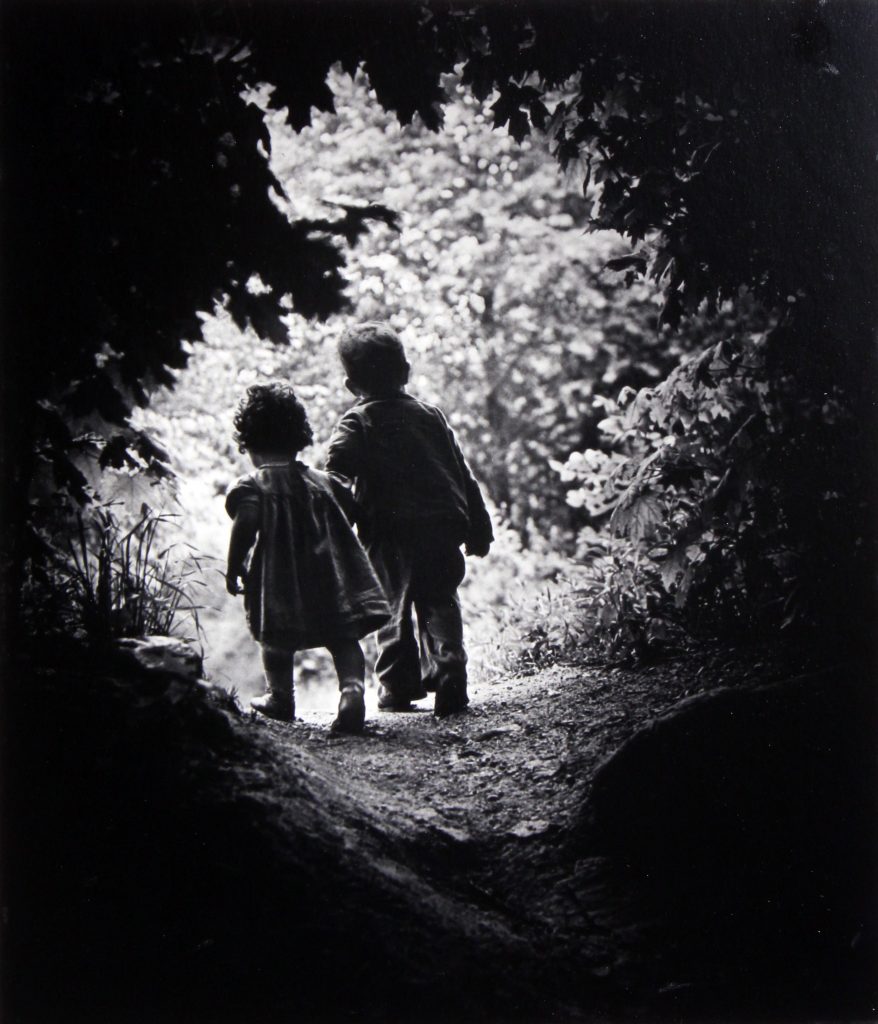
W. Eugene Smith: Walk to Paradise Garden

My tutor recommended I research the image called “Walk to Paradise Garden” by Eugene Smith because it is a similar approach to my second assignment called “Photographing the Unseen”.

This famous image was selected by Edward Steichen as the final image in his exhibition The Family of Man at the Museum of Modern Art, New York in 1955. The aim of the exhibition was to present the universal experiences of human existence and the essential goodness of the human experience. Steichen relied heavily on the photograph’s symbolism of hope and innocence to convey the humanist message of the exhibition.

Smith created this image after recovering from a war injury and it’s mystical feel is different to other images he has taken, documenting war and humanitarian situations. Although different in style to most of his work, this became the most famous image.

There is hidden meaning in this photograph, the “unseen” content of the image that can be interpreted by different people in different ways. The meanings relate to human emotion and the psychological state of the viewer of the photograph as to what meaning is derived.

Light out of darkness is often seen as a symbol of hope or new beginnings, light is often interpreted as a positive and invokes optimism in those who view it. The use of light in this image appears to be shining from above the two children and ahead of them, it gives the impression they are walking into the light.

The boy seems to be leading the girl which shows the human side and the possible relationship between the two, the boy is a leader and protector of his sister. The human side is obvious in the subjects within the frame and the “unseen” meaning is also evident, given the context of the photographers 2 year recovery from an injury which must have been a difficult time.

I am inspired by this image because I enjoy nature and walk through many similar natural landscapes seen in this image. The black and white was what was used at the time and it was only in the 1970s that colour images started being produced. The black and white makes this image all the more serious. The colour would potentially detract from the two children and the light, the dark frame of leaves supports the main subject rather than competes with it which would be the case in colour. The leaves show no detail, only the outline of the leaves at the fringes, this also accentuates the detail of the children rather than competing and therefore losing focus of the main subject.

Bibliography

Huxley-Parlour Gallery. 2020. W. Eugene Smith: ‘Walk To Paradise Garden’ | Huxley-Parlour Gallery. [online] Available at: <https://huxleyparlour.com/w-eugene-smith-hope-and-innocence-2/&gt; [Accessed 14 September 2020].

Unit 3: Putting yourself in the picture: Project 1: Research Task: Fransesca Woodman

Research Task: Francesca Woodman
● Look up the work of photographer Francesca Woodman online.
● What evidence can you find for Bright’s analysis?

Bright’s analysis:

“It is difficult not to read Woodman’s many self-portraits – she
produced over five hundred during her short lifetime – as alluding to a
troubled state of mind. She committed suicide at the age of
twenty-two.”

Bright, S. ​Auto focus: The self-portrait in contemporary photography​ (2010)

Francesca Woodman (1958–81) explored issues of gender representation and
the use of the female body in her work. Self-portraits dominate her substantial
portfolio, often portraying dark psychological states and disturbing scenes. She
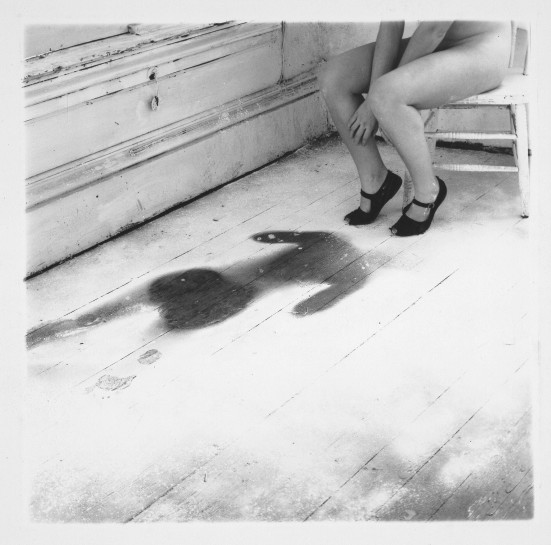
uses her body, locations and props to evoke a sense of surrealism, mystery and
vulnerability.
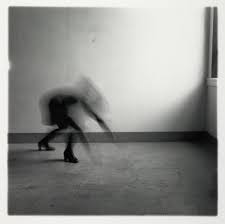
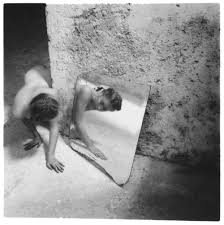
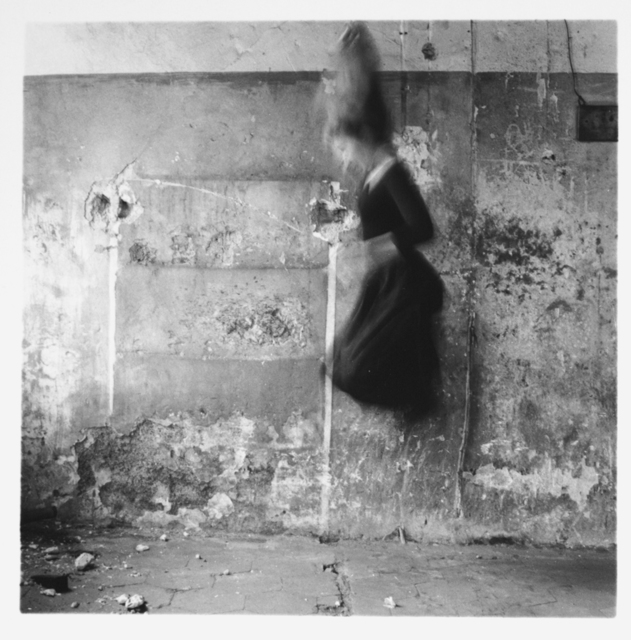
In ​Space ​2​, (Tate, 2019) for example, her body almost disappears into the blur of
movement. This visual strategy recurs in her work and, since her death, has been
interpreted as Woodman using photography both to present herself to the
camera as an exhibitionist and to help herself disappear.

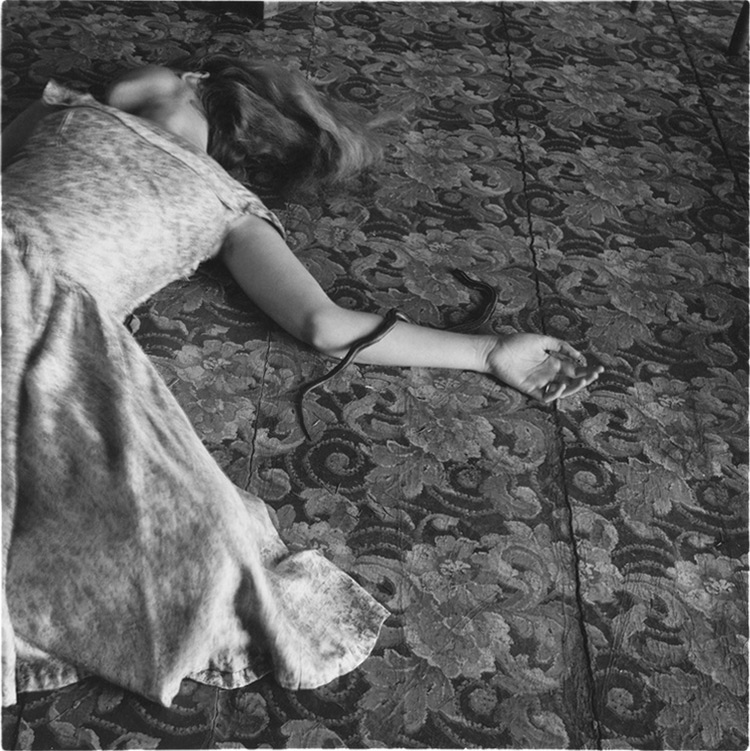
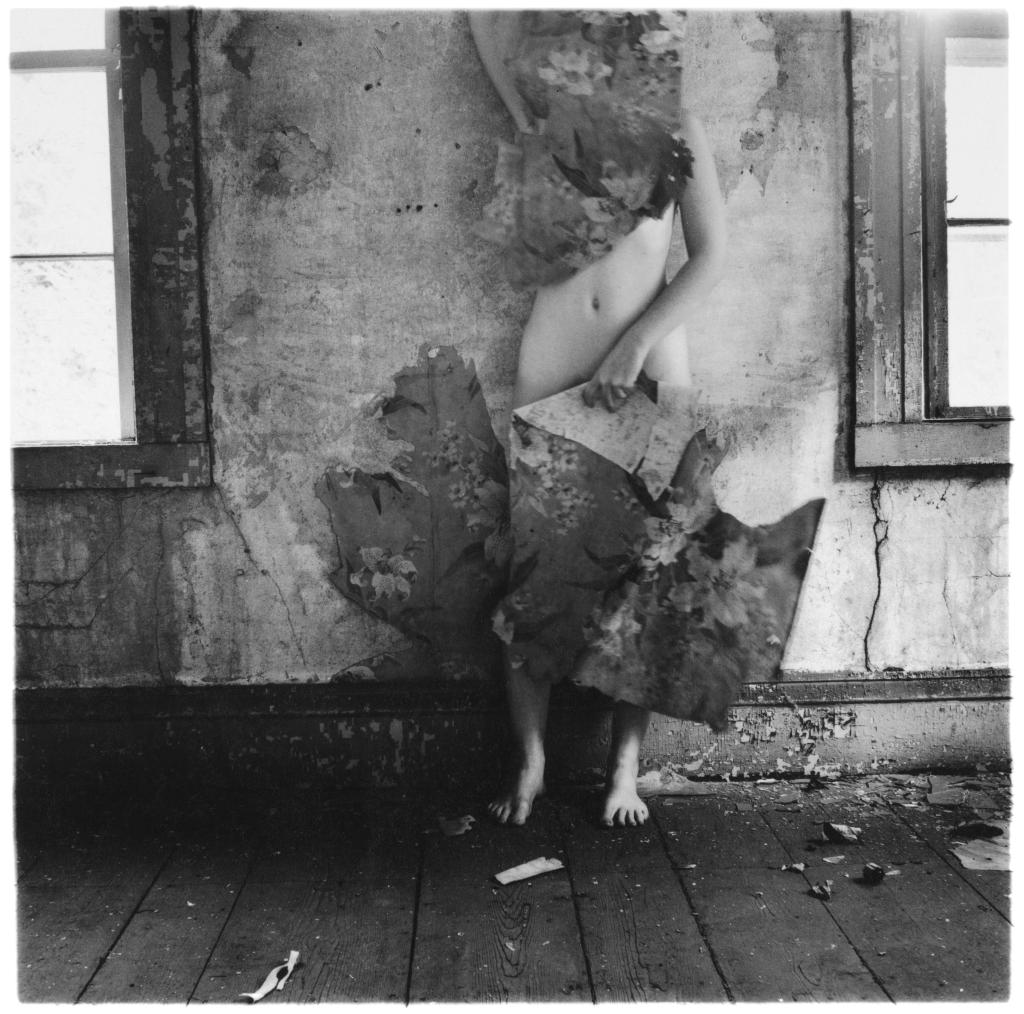
The work of Fransesca Woodman

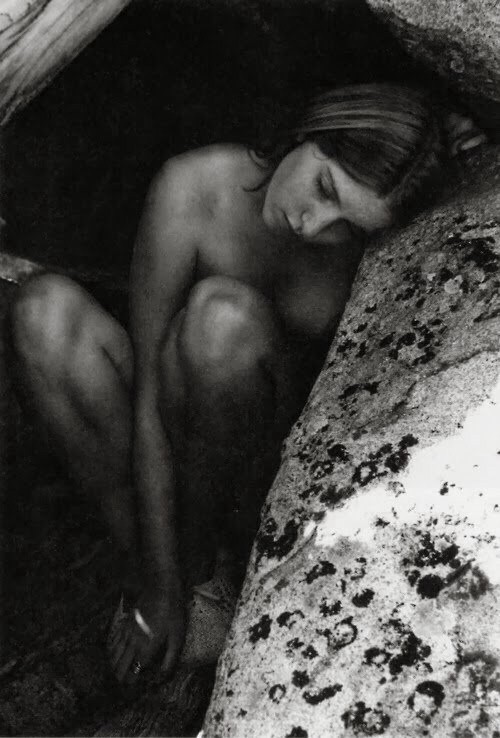
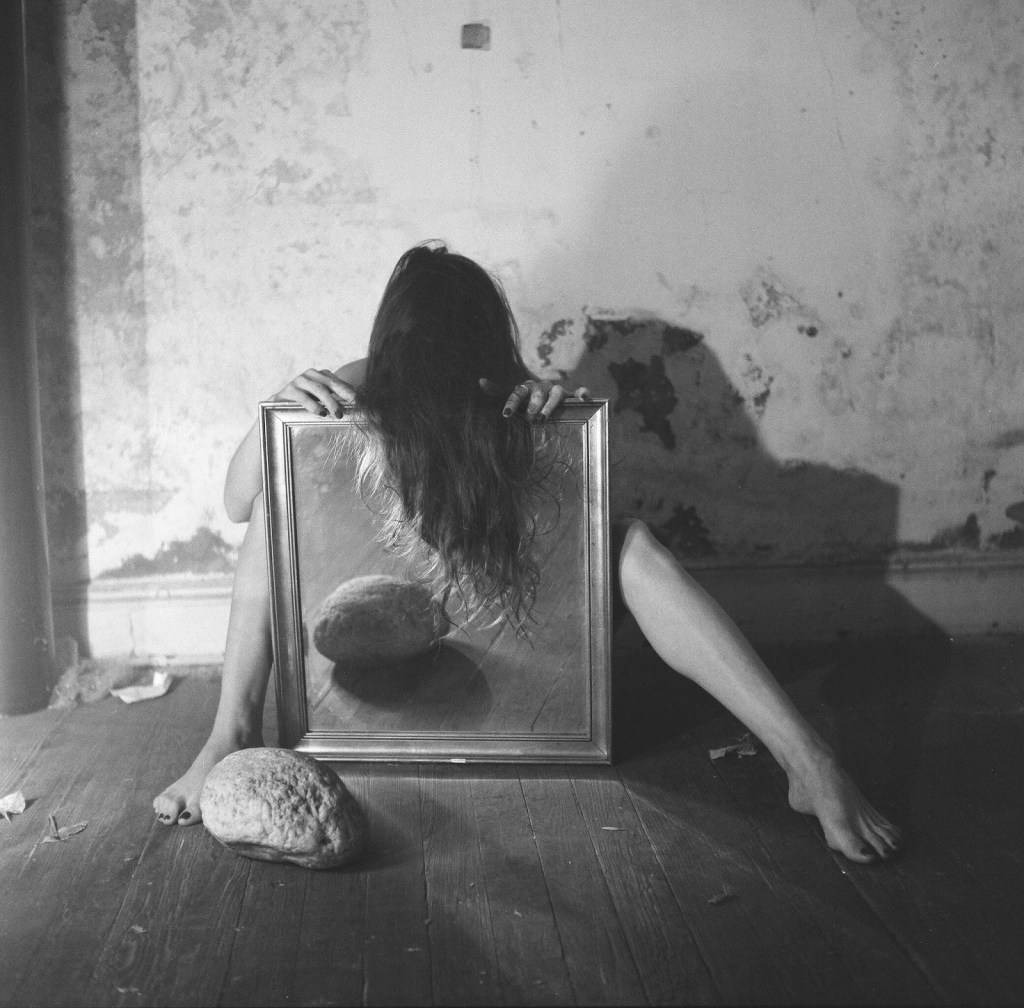
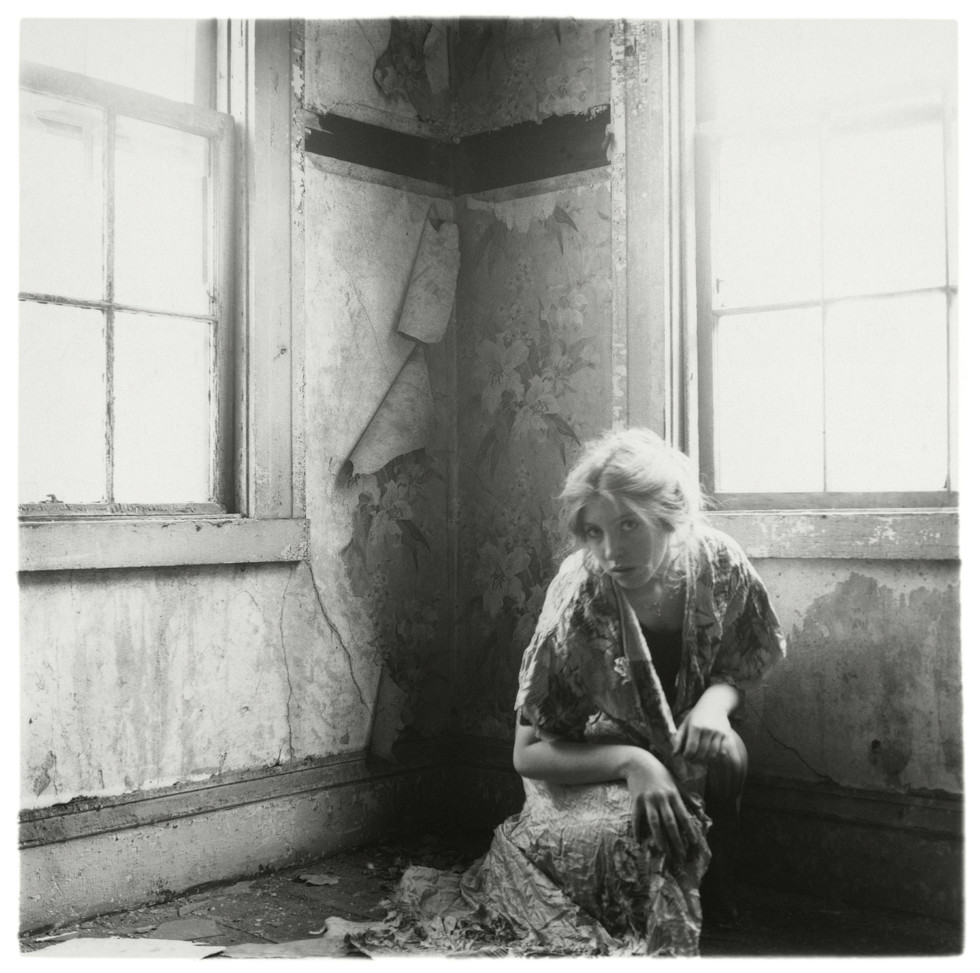
Her work was in black and white and her body is used in many of the images as can be seen in the slideshow below. Her face is hidden in several images and some with her eyes closed, showing how she is sending a message about her state of mind and her body image.

The derelict house with decaying decor also represents her state of mind. The snake shows her vulnerability and perhaps a message that she was in danger.

Blurred images and a focus on her shadow come through in her work where this perhaps eluded to how she felt, as if she didn’t really exist,or a desire to not exist.

Evidence for Brigh’s Analysis

There are several images I found that Woodman made of the female body and the representation of this in a creative way using props such as wallpaper or a mirror.

Bibliography

Artnet.com. 2020. Francesca Woodman | Artnet. [online] Available at: <http://www.artnet.com/artists/francesca-woodman/&gt; [Accessed 28 August 2020].

Victoria Miro. 2020. Francesca Woodman. [online] Available at: <https://www.victoria-miro.com/artists/7-francesca-woodman/&gt; [Accessed 28 August 2020].

A2: Photographing The Unseen

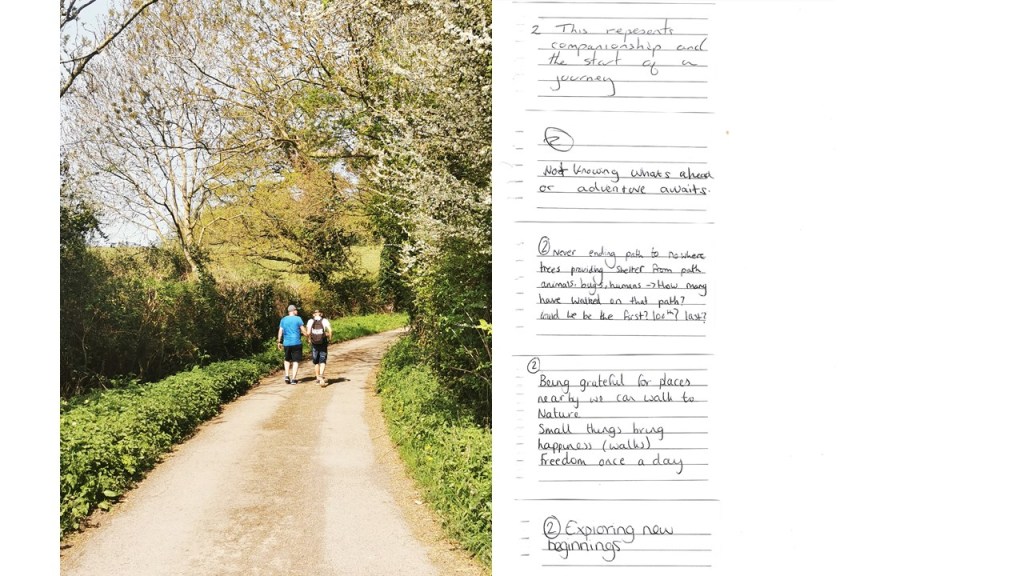
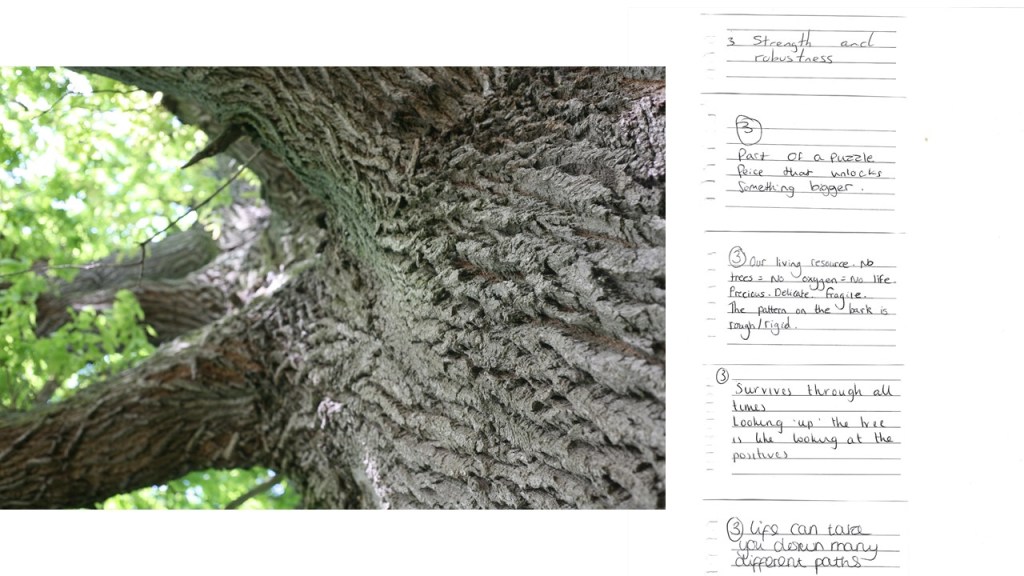
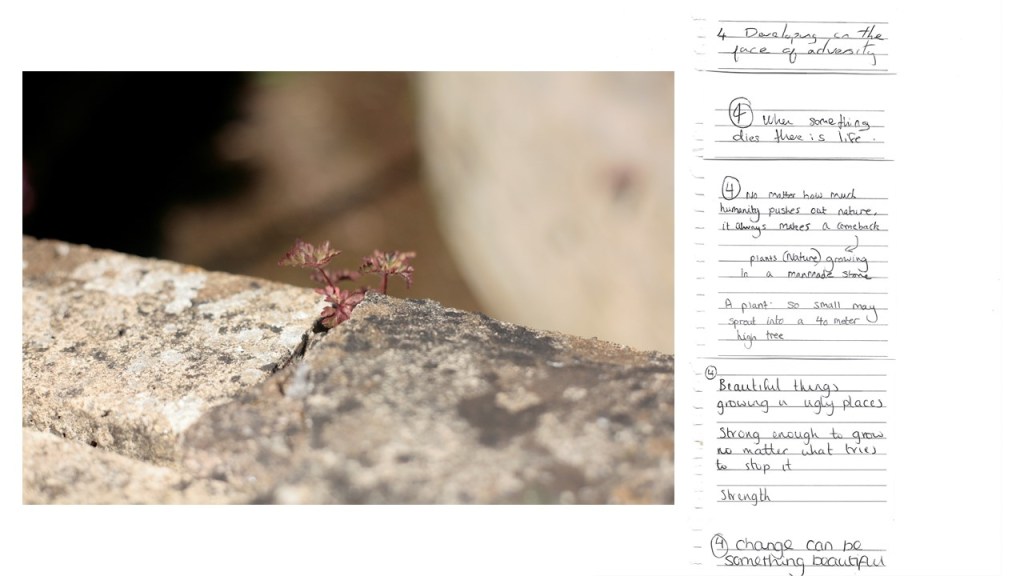
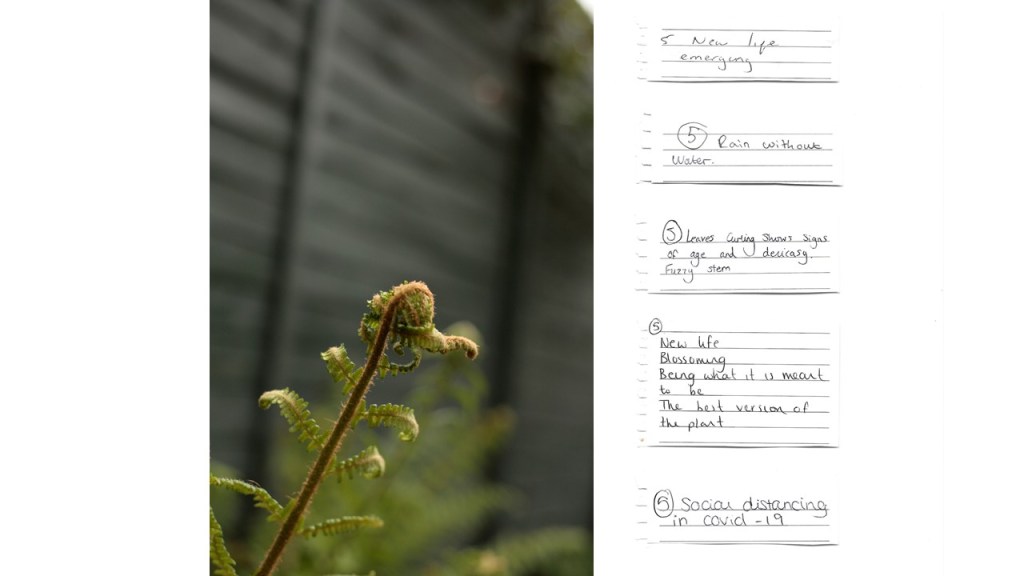
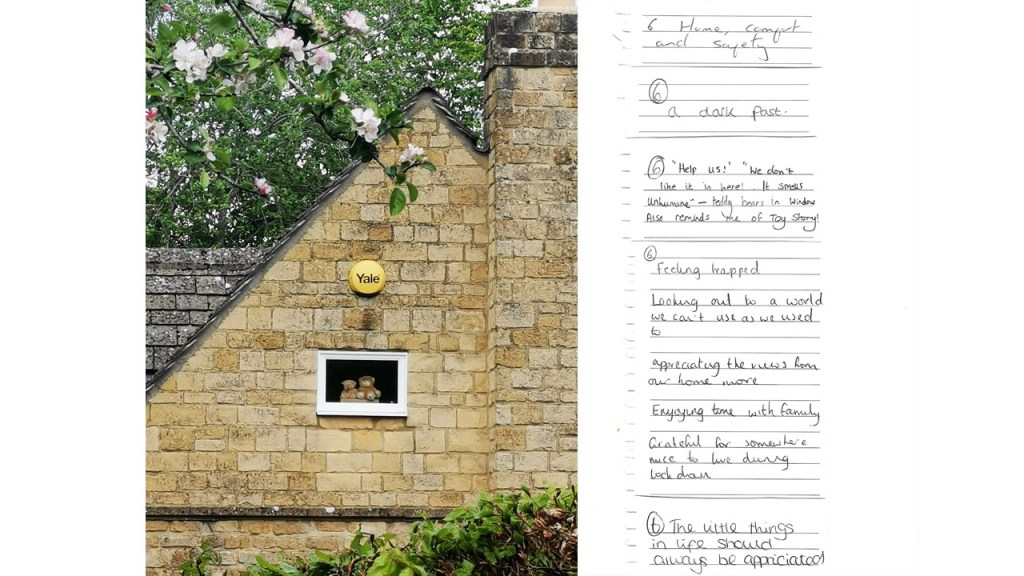
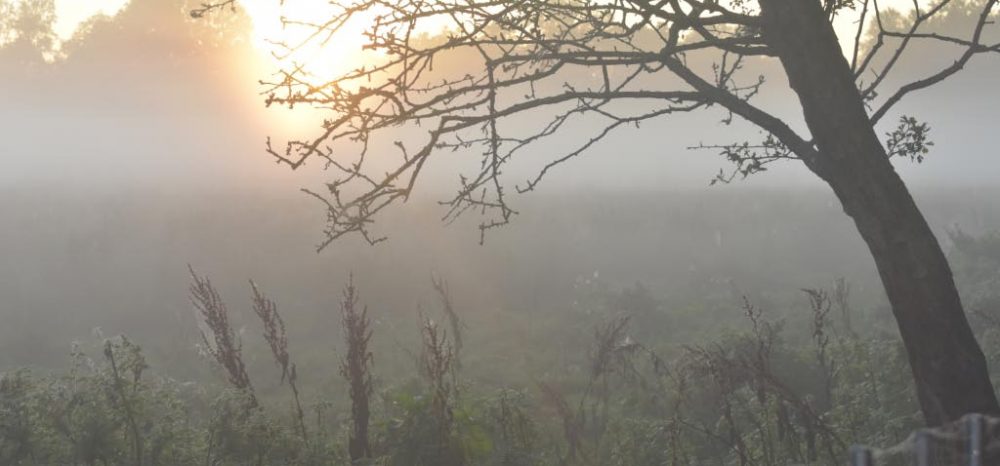
This work focuses on two main themes, firstly, the unseen, which means simply things the camera cannot photograph, such as the psychological states, emotions, feelings. Secondly, the text that accompanies each image shows that the unseen can be interpreted in many different ways by different people. These images have been photographed within walking distance of my home during a period when the Covid 19 virus reached pandemic levels and everyone in England was advised to stay at home and only travel if absolutely necessary. This was a difficult time for many people, including myself, so I chose grey days to make my work because to me this portrays a sombre mood.

Green, brown and grey colour theme is evident in all images, as well as nature. People are almost absent in the work, another representation of the lockdown enforcement period where isolation and distancing was encouraged. Each image has strong shapes and form such as image 1 where the tunnel leads the eye to the light at the end, a very literal interpretation can be made and then interpreted into feelings of needing to stay positive during the Covid 19 lockdown period.

The images were captured within the “Square Mile” of my home while out on daily exercise walks during the Covid 19 Lockdown period. It was during these walks that I would often reflect on my feelings and thoughts around this unprecedented time we all found ourselves in. I would see these emotions represented in what some would describe as banal natural surroundings. Each image represents a personal reaction to an emotion or psychological state I felt during what was a difficult and uncertain time for me. My work was inspired by the work of Eugene Smith which I researched and this can be found here

The emotions or psychological states which I personally think are revealed (the unseen) in this body of work are : hope, journey, strength, resilience, growth and restriction.

The wording that accompanies the images gives a “third effect” (John A Walker – Context as a determinant of Photographic Meaning), this contextualization of the image now shows that my reaction to what I see in nature is not necessarily the same as someone else, or simply “everyone is different”. For example, image 5 in my work has been interpreted as “social distancing” by someone else, I saw it as “growth”, which shows that people interpret the unseen in images in different ways. This concept is referred to as the “mental context” or what Ernst Gombrich calls “the beholder’s share” which means that people have differnt relations to the same image according to the different places they occupy in society, such as gender, race, nationality, class, age, education ( (John A Walker – Context as a determinant of Photographic Meaning),

Shallow depth of field has been used in images 4 and 5 to isolate the subject, I kept the background simple and chose the grey and brown colours to support the subject rather than compete.

Image 1 composition was important, the entrance to the tunnel needed to be at the edges of the frame so it gives the impression that there is nowhere to go but through the tunnel. I chose a tunnel that is not particularly attractive because this depicts lockdown life. Lockdown life is becoming a metaphor which people now relate to, which we never did, nether had to before 23rd March 2020.

Image 3 shows the rough texture of the tree from a close up, looking upwards perspective, so composition was important here and up close shows the age of the tree in the bark clearly.

Image 6 shows bears in the window, this was used as a universal symbol across the globe during the lockdown restriction period, it was a symbol of hope similar to the rainbow displayed in homes during this period. These bears to me feel like a typical representation of being restricted and locked in the home.

Lastly image 3 was a common sight for me as I walked near my home during covid and it constantly made me think of the unknown times ahead. I chose an image without blue sky for visual reasons but also for what a blue sky represents, which is often happiness. I composed the people in the frame as distant and with no connection to me to represent self isolation and lack of human contact during this time.