Unit 4: Exercise 1: Erwitt Analysis

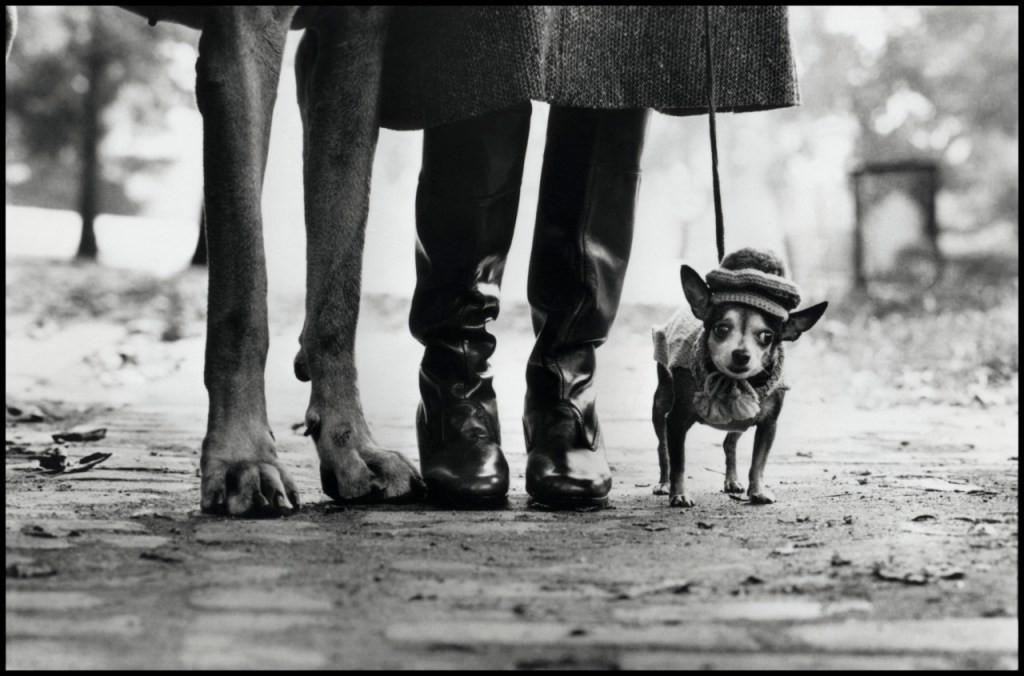
USA,New York city. New York, 1974. Felix, Gladys and Rover.


Before you read any further, look carefully at Erwitt’s image and write some
notes about how the subject matter is placed within the frame.


● How has Erwitt structured this image?

Erwitt has ensured the smallest subject is what is being focused on by cutting the others out the frame, yet still including parts to ensure a balance and perspective. By the photographer coming down to the level of the smallest subject it makes it more prominent.

● What do you think the image is ‘saying’?

Even the smallest dog is important and has a place in the world in a dignified way.

● How does the structure contribute to this meaning?

By cutting out the larger dog and the human from the image it places more importance on the smallest dog where it is seen in it’s entirety. It forces the viewer to focus on this dog alone whereas in another structure the smallest dog would have been lost


● Did you spot that the picture is framed in stages of three?

The bottom third is the foreground, the middle is the subject matter and the top
shows the subject and the background. This element of three is repeated in the
number of subjects and the horizontal thirds are balanced by the vertical thirds
of the small dog and other subjects’ legs. This use of three and the horizontal
and vertical lines make the image appear visually complete. You get the
impression that what’s within the frame is the whole picture, but of course there
were bodies and heads and the rest of the larger dog just outside the viewfinder.
This leads us to the photographer’s decision to crop at a particular point. This
was a witty decision but, more importantly, we’re reminded that it was a
decision. What we see of the situation very much depends on the photographer’s
point of view. By placing the small dog as the main focus, Erwitt emphasises its
small stature. The size of this dog probably means that it’s often overlooked,
especially in relation to its larger friend, so Erwitt’s decision to make it the main
focus may tell us something about him as a person.


● Does he like to help the ‘underdog’?
● Does he prefer dogs over humans?
● Is he making a statement about giving everyone a voice?
● Or is he just making a joke?

We can’t answer all these questions from one picture, but if you read it as part of
the whole series Dogs, it’s clear that he has a special fondness for canines and
sees their role in society as an important one. There’s another important
difference between different types of language. In spoken or written language,
the information is given in a certain order, allowing the author to build
anticipation or shock the reader. A photograph, on the other hand, gives all this
information at the same time and how this information is processed by the
viewer is outside the photographer’s control. For example, one viewer of the
Erwitt picture might be very interested in locating the park as Central Park while
another might focus on the breed of the dogs. All Erwitt can do is present the
information; the way it’s read is taken on by the viewer.

Bibliography

Magnum Photos. 2021. The Year of the Dog Dogs • Elliott Erwitt • Magnum Photos. [online] Available at: <https://www.magnumphotos.com/arts-culture/art/elliott-erwitt-dog-dogs/&gt; [Accessed 13 May 2021].

Holden Luntz Gallery. 2021. Elliott Erwitt: Dogs –. [online] Available at: <https://www.holdenluntz.com/magazine/photo-spotlight/elliott-erwitt-dogs/&gt; [Accessed 13 May 2021].

A3: Self Portraiture: Research and Ideas

Summarise your research findings – might be a sentence or two – as a reflective learning
example. What this then does is show that you have trawled though your own research
made notes and concisely summed up the main points then put the reference to the blog
– in level two that should be in Harvard thus:
• Stork, J., 2021. A3: Self Portraiture: Research and Ideas. [online] Jenny Stork:
Photography 1: Context & Narrative. Available at: <https://

contextandnarrativewriting.poetry.blog/2021/05/12/a3-self-portraiture-research-

Initial Response

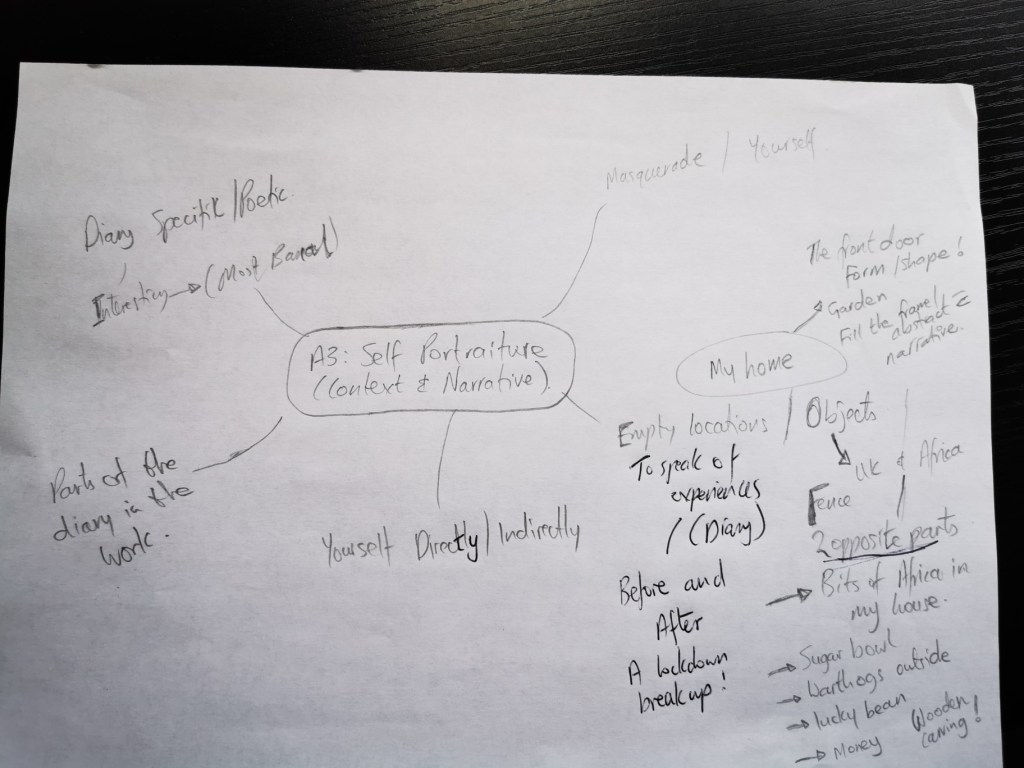
I am by nature not someone who thinks about myself and my identity and does not care about an image as such, I think this is why my immediate response to this brief was to choose empty locations and objects rather than focus on myself or another person to represent me. Usually I have several different ideas in response to an assignment but this time I was sure that there was only one way I would approach this piece of work

Planning

My photographs have been taken over a period of months with a plan to capture moments when I am in a particular state of mind, for example, I photographed parts of my home I could see when I was sitting, feeling helpless and trapped. My version of freedom was being outside and having access to my family and this is what I planned to capture for this assignment. The shoot list method where a list of images are planned before a shoot is not my preference, I feel this is too rigid and has potential to stifle creativity, however, I do see the advantage in this to keep to the brief.

Research /Inspiration

My series of images (body of work) The first x images are inspired by the work of Shafran with the absence of human figures and the mundane domestic nature of the work. See my research exercise on Shafran here

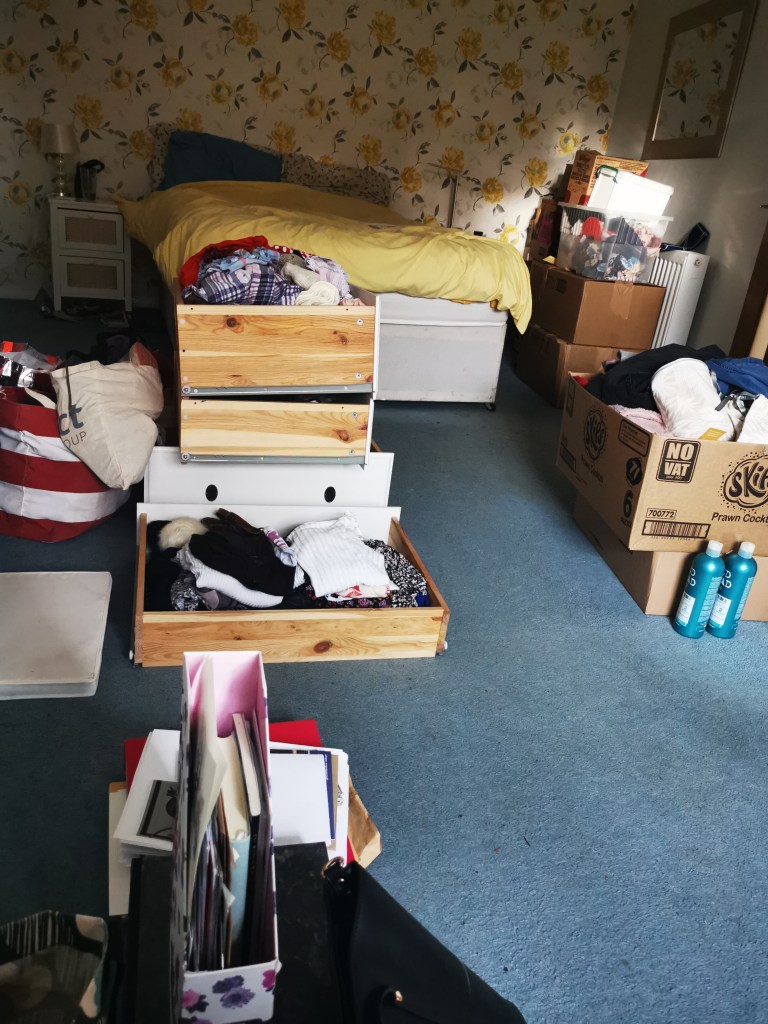
Richard Billingham’s work called Squalid Realism was also an inspiration for my disruptor image (no. 4) which shows packed boxes in my bedroom, this feels intimate and a peek into the personal life that one would not otherwise get to see unless it was a close friend or family member. see notes here

Elina Brotherus in her work Annonciation there is a blurred image which is a theme in her work in this series where hiding subjects within the frame ( and showing certain parts) is a theme. See research notes here

Idea

My ideas immediately were drawn to empty locations and everyday objects in the home, firstly around my African heritage which is a large part of my identity, but I settled on my immediate life experiences that were dramatic and life changing. a more powerful story.
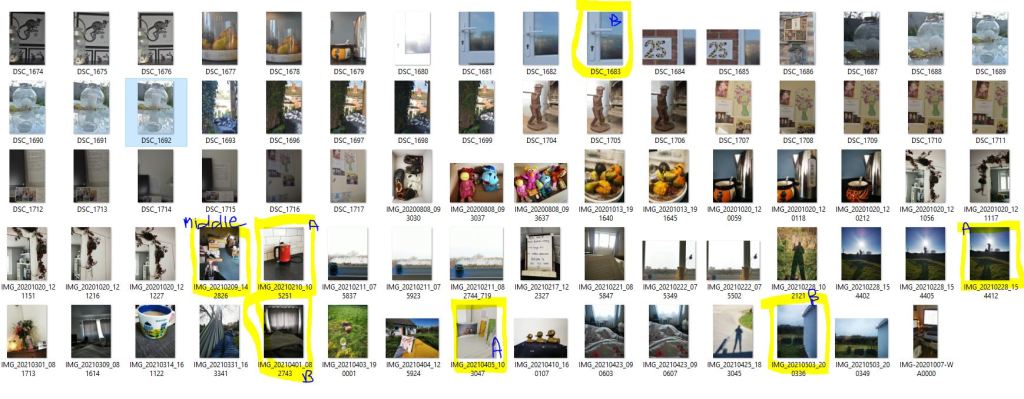
“B” represents the “Before” the break up and the “A” is After the event. The colour palette transforms from grey (before) to more colourful after. The images are tightly cropped before, representing a feeling of being trapped in a very small world, not being able to see beyond the four walls. After contains more colour, being outside beyond the prison like feel of four walls and people are included, but only in a shadow or a photo, a representation of a first step to “normality”

Conclusion

The recommended reading by my tutor about how to read a photograph and sequencing of work has really helped me in an area I find challenging, the editing/selection process. The “why” have I chosen what I have from a few hundred images has become less difficult. I have learned a great deal about self portraiture and how a life story can be expressed through images in so many different ways.

See my assignment blog here

A3: Self Portraiture

Out Of The Darkness

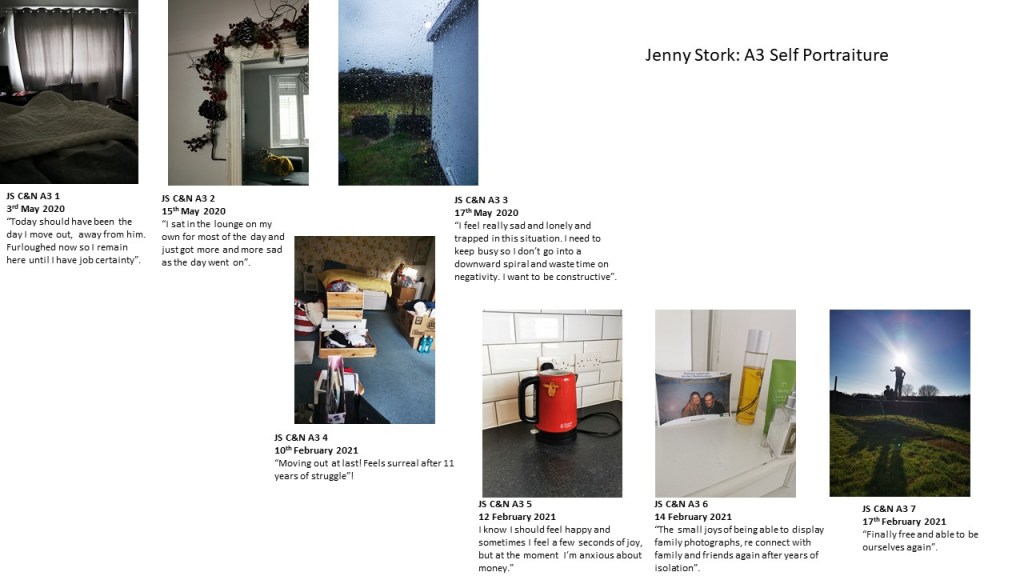
This series tells a story of a relationship break up that took place over several months in 2020 and the transition to a new happier life on my own where I am free to connect with my family again in an uninhibited way.

The work contains images of banal domestic objects within the confines of my home where I lived with my partner during the troubled relationship as well as images shot in my new home in a new happier world, which gives this work the title “Out of the Darkness”.

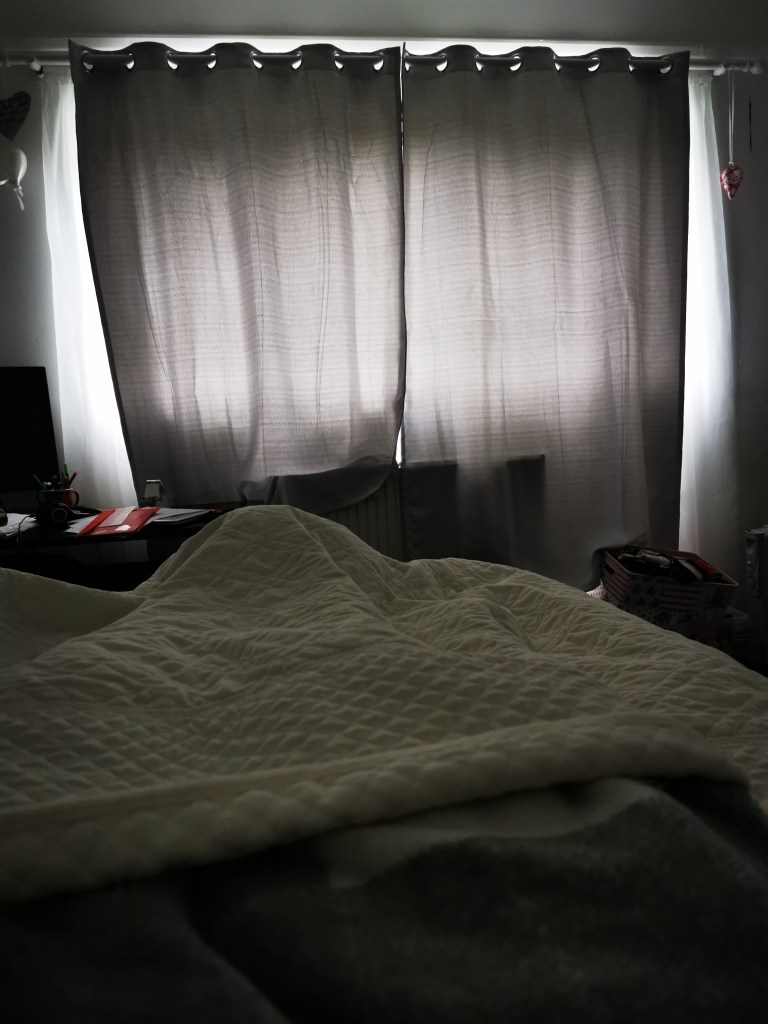
The first three images (during the troubled relationship) are shot from within the home looking outwards. The last four images contain more colourful objects, sunlight and people, these are images shot during and after the break up and in a new happier world.

During the troubled relationship:

Image 1

Image 2
Image 3

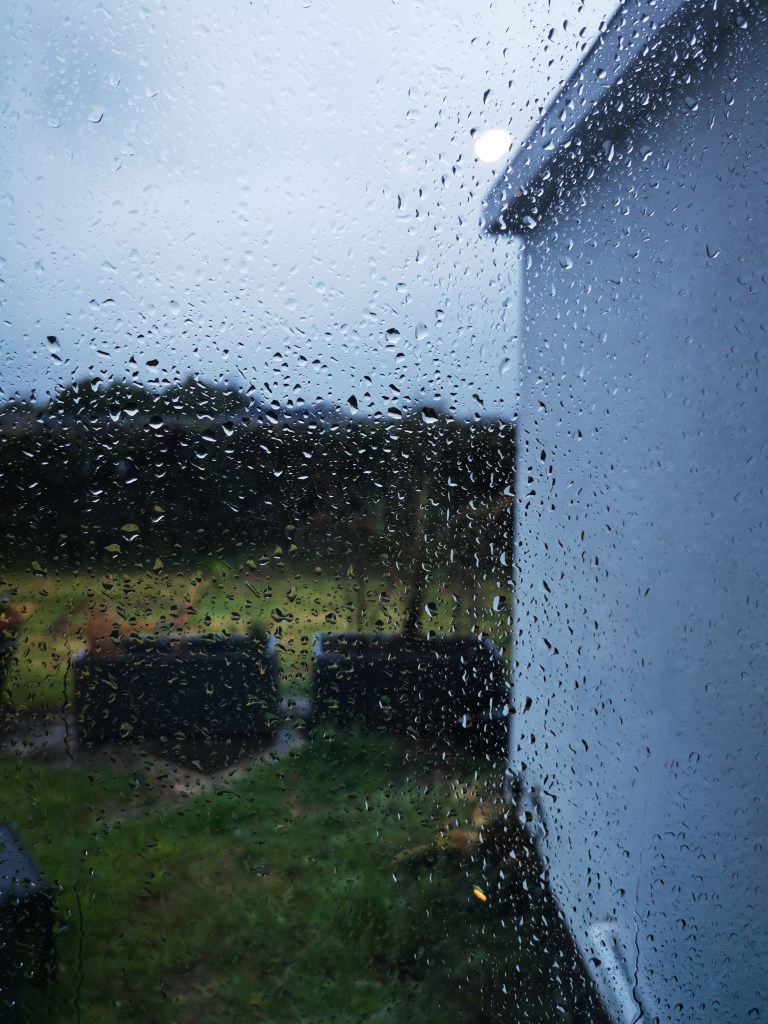
Image 3 was shot when still living with my partner on a rainy, grey cloudy day shot from indoors through a window looking out. The subjects beyond the window are blurred by the glass barrier and the rain. The outside world is not visible in the first three images. The light is muted and contains shadows.

The series is disrupted by a fourth image in a snapshot style at a wider angle which also creates disruption and a juxtaposition to the formal tightly cropped images preceding this. Further disruption is in the contrasting colours to the first three images, bright blue and yellow. Image 4 contains a collection of boxes that appear rather chaotic and clutter the image, another contrast to the preceding images with only a few objects. The sunshine in the room in this disruptor image is also in contrast to the gloomy rain and grey tones contained in the first three images.

Moving Out

Image 4 Disruptor Shot

A New Life

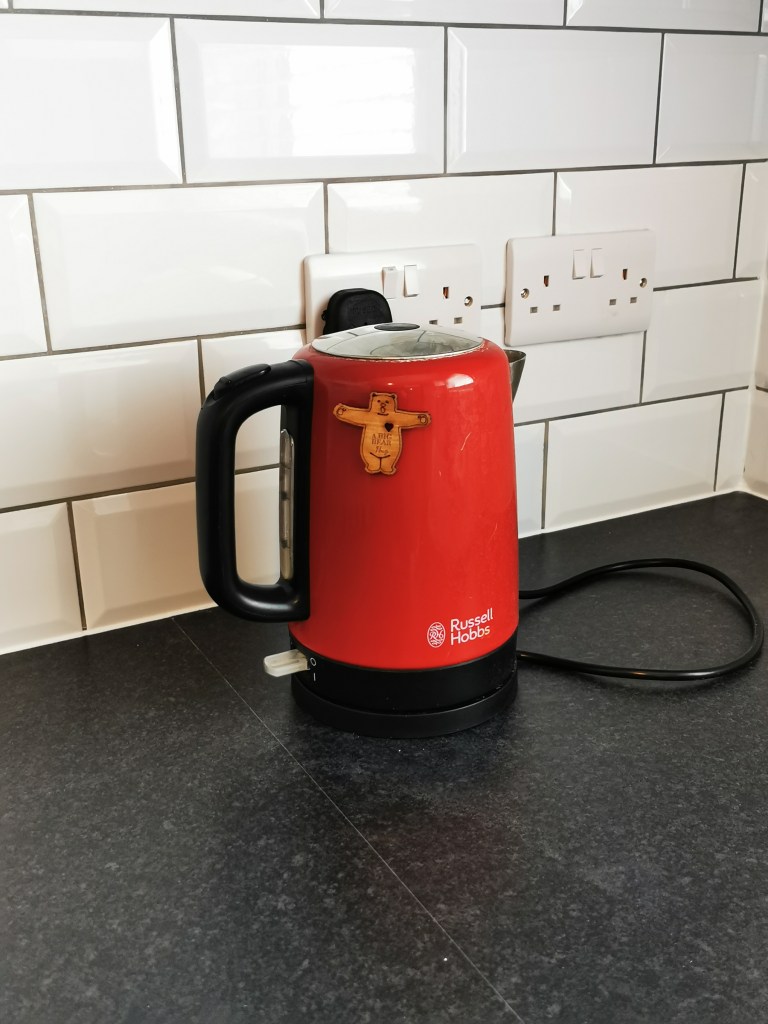
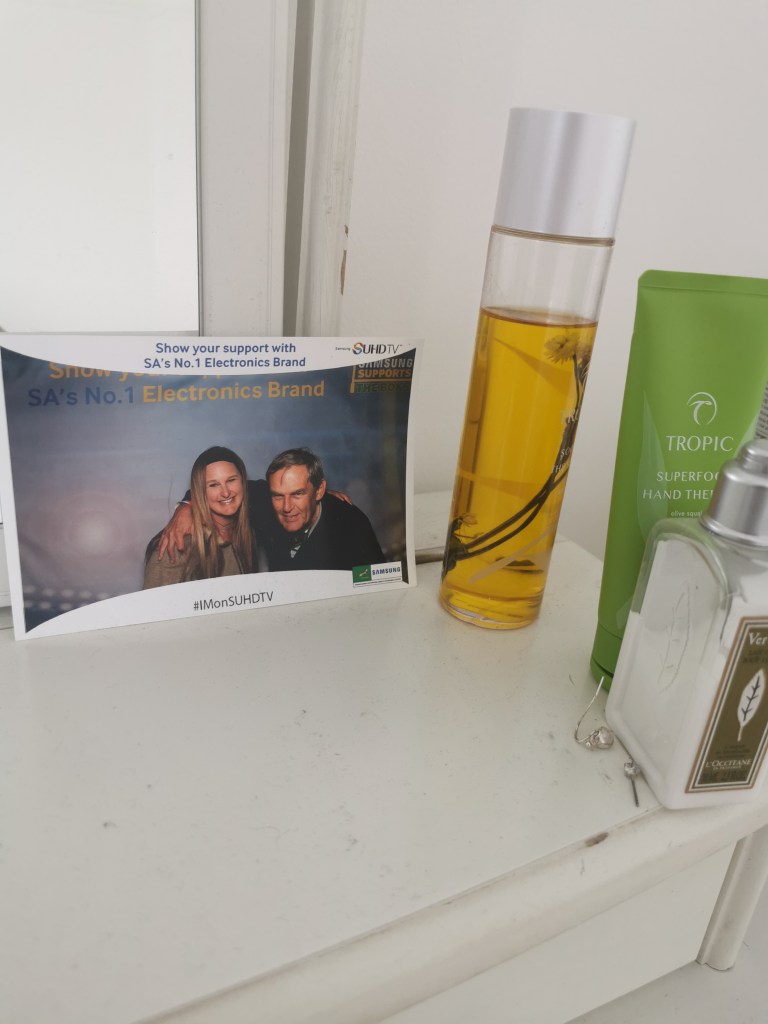
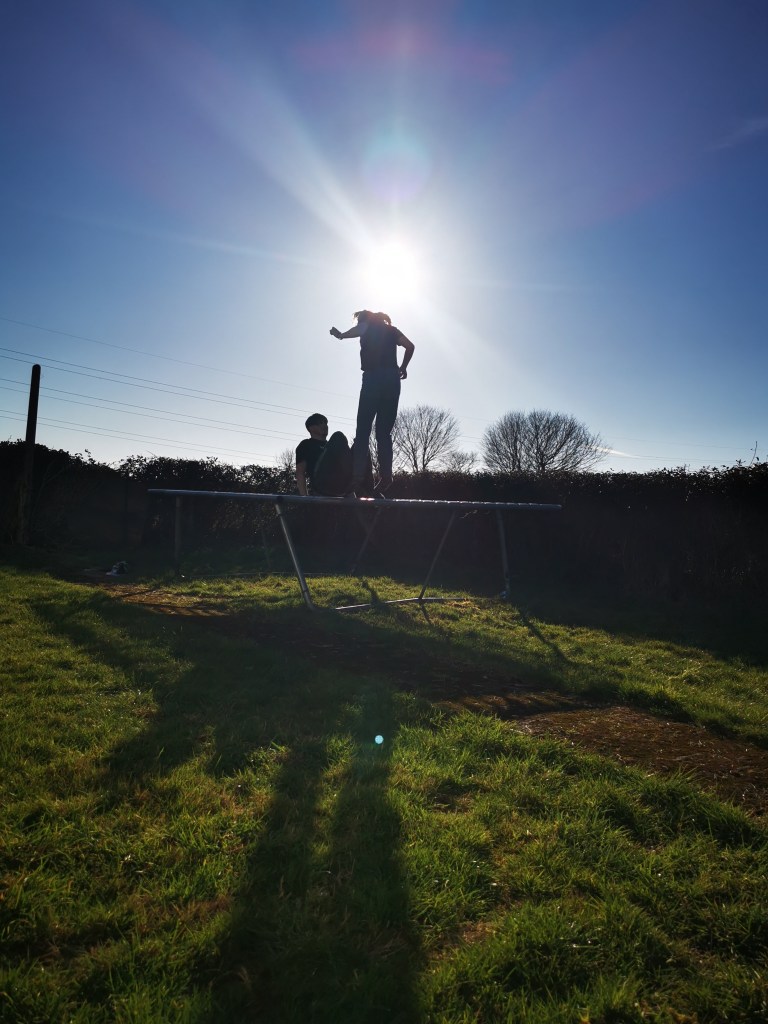
Images 5 & 6 containing the kettle and the dressing table are taken looking inwards and focusing inside the home, a different approach to the first three images in the series that were shot facing away from the home and outwards through the window. The first three images are shot in a tightly cropped formal style with a grey tone and the first two images contain no shadows inside the house. The shadows in image 6 are positive, from direct sunlight in a sunny environment. The last three images are still within the confines of a domestic situation but the subjects are more colourful and contain people, in contrast to the first 3 images. The final image contains bright sunny weather and human activity shot beyond the confines of the house looking from beyond the window, outside in the garden.

Image 5
Image 6
Image 7

My body of work includes captions accompanying each image, these are selected snippets from my diary written over several months during 2020. This series represents a life changing event, a breakdown of a relationship

My series of images (body of work) Images are inspired by the work of Shafran with the absence of human figures and the mundane domestic nature of the work, focusing on everyday objects instead of people. I have used colour codes to reflect a mood where the first 3 images are grey and void of humans. I associate monotonous grey tones with little colour as a visual representation of my life at the time, of negative emotions such as sadness, being trapped and loneliness, I am portraying the feeling of being trapped and longing to be beyond the window and free outside. Composition is closely cropped to also capture the feeling of being stifled and trapped. Image 3 which shows a blurred outside world also reflects a feeling of not being able to connect with the outside world in a real way. Image 6 is an important final representation of life at that point in time. It shows how the outside world has become clearer, not clear to the point where the person is visible in the image, but it is progress compared to the images 1,2 & 3 that represented life before the break up.

Development of the work

Future work could include another series of images that include the confines of the domestic boundary but clearer images of people and relationships, these could contain sunny warm light at wide angles. The future series could also contain images beyond the boundary of the home, embracing the world in an uninhibited way.

Outcome

The work could be displayed on a wall in a gallery and would flow in a timeline sequence as in the layout below. I received some cards from friends and family when I moved to my new home, these could be displayed on a table at the exhibition to add another dimension to the work. The room where the images are displayed would be a celebratory theme with the opening night champagne and upbeat music to engender the feel of a happy free life.

Made with Padlet

Research, preparation and ideas for this assignment can be found here