Unknown's avatar

About Jenny Stork

I am a forty six year old mum of three children and I live with my partner in Gloucester. After completing a beginner and an intermediate photography evening course over the last six months I have decided to take my photography from being a hobby to something more in depth and challenging. After careful consideration and making sure I would have enough time to devote to study I have chosen to complete this Potography degree and hopefully enjoy it as much as the short courses I have recently completed. One day I may even make a career out of it, I will just see where it takes me and be guided by what I enjoy most out of the course.

Unit 4: Research Task: Insomnia

Insomnia : Jeff Wall : 1994

Jeff wall focuses on cinematic photography and constructs his images in an elaborate fashion using art, sculpture and literature in combined art forms to make a photograph which represents contemporary art in a conceptual format. He used a Nikon F camera “point and shoot” to create his work and although this photograph was shot in the 1990’s it appears to come from another era, perhaps the 1970’s.

After researching about how to read a photograph, when describing an image there are formal elements within the image that need to be described, and then what is outside the image like information about the photographer, how this image was taken, what other photographers do similar work?, the thoughts and feelings of the viewer, personal connotations to describe, what perhaps has not been included in the composition (the context). This is what I have attempted to do below when reading the above image:

After researching semiotics the Insomnia image by Jeff Wall can be commented on by denotation which describes the literal meaning of what is in the image and in this instance it is a kitchen because it contains a cooker, refrigerator and cupboards that are familiar with a kitchen space. The kitchen table and chairs are arranged in a haphazard way, one chair is not facing the table no pictures on the wall and the colours of the cupboards and walls are cold, which is compounded by a cold fluorescent light. The window implies it is night time by the black colour and the cupboard doors slightly open. There is a cooking pan left on the stove, salt on the table and a cloth on the kitchen chair which leads the viewer to assume this man may have cooked and eaten something. There is a dark circular mark above the cooker which looks like a clock used to hang there and has been taken down. This leads me to think that this may have been removed in a way to cope with the insomnia.The general state of the room is it’s in need of a little “Tender Loving Care”, this to me could also be a reflection of the subject’s state of mind and wellbeing, neglect springs to mind. The main subject of the image is a man lying in an unexpected place and the anchor word in the caption “Insomnia” answers some of the questions that start to form in the viewer’s mind. This caption is also a relay message since it communicates meaning around the image. The wide angle used to take the shot shows clearly that it is a small room, the depth of field used allows the viewer to explore the room and the eye is led from the open cupboards in the top third to the table and then to the main subject in the bottom third right hand part of the image. The open brown paper bag on top of the fridge in the top right hand part of the image balances the visual elements within the image.

Singular Images: Essays on Remarkable Photography : Diane Arbus

Reflection on the essay:

This essay and others in the book have taught me what needs to be included in an essay about reading a photograph, there is so much more to consider both within the image and beyond its borders. The viewer can interpret what is within the frame in several different ways depending on experience, knowledge, attitude, each person will take something different from a photograph and will ask different questions about what they see.

The essay begins with emotional judgement relationships and feelings of the subjects within the frame before continuing to talk about the factual circumstances that came about to produce this image. The essay then describes the photographer.

One of the most poignant thoughts of the essay was the quote ” the aim is not to reform life, but to know it. Another quote from Diane Arbus herself that I particularly enjoyed was that the subjects in the photo were described as “undeniably close in a painful sort of way” by Arbus – she didn’t know this but made an assumption which the author thought was quite patronising to which I agree. Their body language certainly appears to suggest they are close.

I like how the author describes Arbus as having sympathy for the frailty and imperfections of society, even the ordinary are remarkable and worth looking at.

The author describes how others describe Diane Arbus and what they write about her. There were other photos taken on the same day that this particular image was taken and this is talked about in the essay to add more context – outside of the frame.

What similar artists have been inspired by Diane Arbus?

The essay also talks about where this image was displayed, when and what the circumstances were around this – there is an interesting description around the dialogue between the curator of the Museum of Modern Art and the photograher.

When I was initially asked to write an essay about a photograph I was struggling to understand how I could possibly write a thousand words and now reading this essay I understand there is so much to consider inside (denotation) and outside ( connotation) context, outside the frame.

Bibliography :

We are OCA website blog:

Unit 4: Exercise 2: Deconstruction Task


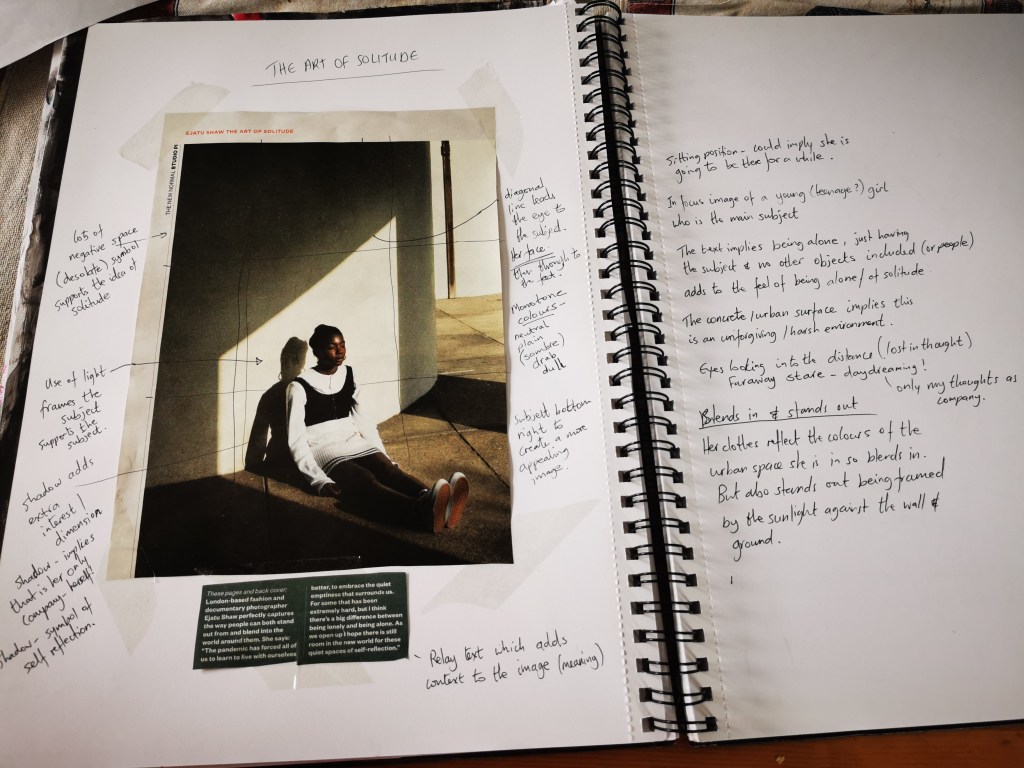
Rip out an advertising image from a newspaper supplement and circle and write
on as many parts of the image as you can. Comment on what it is, what it says
about the product and why you think it’s there. You could use this as the basis
for your assignment if you feel it’s taking you somewhere interesting. Or you
could adopt this method for your assignment preparation.
Come back to this exercise when you’ve reached the end of ​Part Four ​and see if
you can add anything to your analysis.

Key Learning Points – A3: Self Portraiture

Be clearer about describing your work and don’t assume knowledge of a situation but provide the information.

First start with what is in the images, the subjects and then the form. I found as I was re writing some of my assignment based on feedback from my tutor, other observations of what was in the images was being revealed and I expanded on these in the assignment.

I also didn’t explain the use of light, aperture, wide angle, cropped shots and how these were used as codes for different meanings within the images.

I also didn’t fully explain where my inspiration came from for this work. I mentioned one photographer but upon reflection there were several others that I researched as part of this unit that also provided inspiration which I noted down in my research blog.

Removing a rigid style of blog with standard headings for the research blog has helped focus on what is needed. I removed the copy of what the brief was from the blog and tried to make it more digestible with what the tutor wants to see, this is also based on tutor feedback.

The use of Padlet was suggested and this is a great way of illustrating my series of work – I need more practice with this and to see more examples to get to grips with the tool.My tutor advised this could be a good way to play around with sequencing and editing before making a final decision on what is included in the work.

I also added how I would want the final outcome of the work to be presented and in what format.

The blog for the assignment needs to read more like an artist’s statement which is what I have tried to do when amending the blog after tutor feedback was received.

Unit 4: Exercise 1: Erwitt Analysis

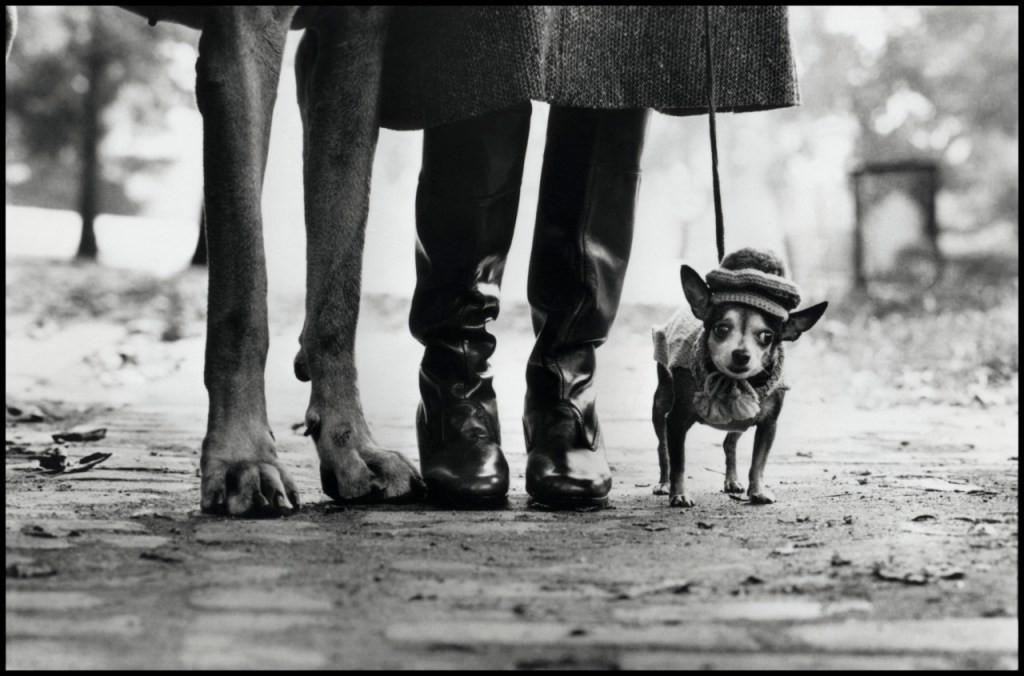
USA,New York city. New York, 1974. Felix, Gladys and Rover.


Before you read any further, look carefully at Erwitt’s image and write some
notes about how the subject matter is placed within the frame.


● How has Erwitt structured this image?

Erwitt has ensured the smallest subject is what is being focused on by cutting the others out the frame, yet still including parts to ensure a balance and perspective. By the photographer coming down to the level of the smallest subject it makes it more prominent.

● What do you think the image is ‘saying’?

Even the smallest dog is important and has a place in the world in a dignified way.

● How does the structure contribute to this meaning?

By cutting out the larger dog and the human from the image it places more importance on the smallest dog where it is seen in it’s entirety. It forces the viewer to focus on this dog alone whereas in another structure the smallest dog would have been lost


● Did you spot that the picture is framed in stages of three?

The bottom third is the foreground, the middle is the subject matter and the top
shows the subject and the background. This element of three is repeated in the
number of subjects and the horizontal thirds are balanced by the vertical thirds
of the small dog and other subjects’ legs. This use of three and the horizontal
and vertical lines make the image appear visually complete. You get the
impression that what’s within the frame is the whole picture, but of course there
were bodies and heads and the rest of the larger dog just outside the viewfinder.
This leads us to the photographer’s decision to crop at a particular point. This
was a witty decision but, more importantly, we’re reminded that it was a
decision. What we see of the situation very much depends on the photographer’s
point of view. By placing the small dog as the main focus, Erwitt emphasises its
small stature. The size of this dog probably means that it’s often overlooked,
especially in relation to its larger friend, so Erwitt’s decision to make it the main
focus may tell us something about him as a person.


● Does he like to help the ‘underdog’?
● Does he prefer dogs over humans?
● Is he making a statement about giving everyone a voice?
● Or is he just making a joke?

We can’t answer all these questions from one picture, but if you read it as part of
the whole series Dogs, it’s clear that he has a special fondness for canines and
sees their role in society as an important one. There’s another important
difference between different types of language. In spoken or written language,
the information is given in a certain order, allowing the author to build
anticipation or shock the reader. A photograph, on the other hand, gives all this
information at the same time and how this information is processed by the
viewer is outside the photographer’s control. For example, one viewer of the
Erwitt picture might be very interested in locating the park as Central Park while
another might focus on the breed of the dogs. All Erwitt can do is present the
information; the way it’s read is taken on by the viewer.

Bibliography

Magnum Photos. 2021. The Year of the Dog Dogs • Elliott Erwitt • Magnum Photos. [online] Available at: <https://www.magnumphotos.com/arts-culture/art/elliott-erwitt-dog-dogs/&gt; [Accessed 13 May 2021].

Holden Luntz Gallery. 2021. Elliott Erwitt: Dogs –. [online] Available at: <https://www.holdenluntz.com/magazine/photo-spotlight/elliott-erwitt-dogs/&gt; [Accessed 13 May 2021].

A3: Self Portraiture: Research and Ideas

Summarise your research findings – might be a sentence or two – as a reflective learning
example. What this then does is show that you have trawled though your own research
made notes and concisely summed up the main points then put the reference to the blog
– in level two that should be in Harvard thus:
• Stork, J., 2021. A3: Self Portraiture: Research and Ideas. [online] Jenny Stork:
Photography 1: Context & Narrative. Available at: <https://

contextandnarrativewriting.poetry.blog/2021/05/12/a3-self-portraiture-research-

Initial Response

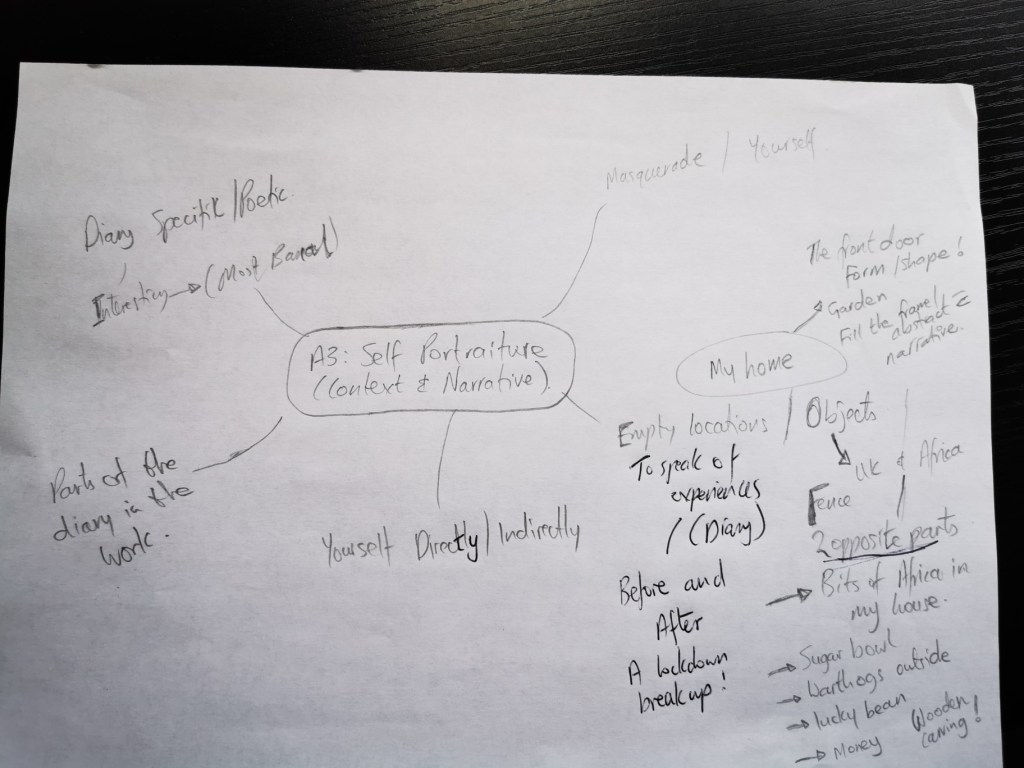
I am by nature not someone who thinks about myself and my identity and does not care about an image as such, I think this is why my immediate response to this brief was to choose empty locations and objects rather than focus on myself or another person to represent me. Usually I have several different ideas in response to an assignment but this time I was sure that there was only one way I would approach this piece of work

Planning

My photographs have been taken over a period of months with a plan to capture moments when I am in a particular state of mind, for example, I photographed parts of my home I could see when I was sitting, feeling helpless and trapped. My version of freedom was being outside and having access to my family and this is what I planned to capture for this assignment. The shoot list method where a list of images are planned before a shoot is not my preference, I feel this is too rigid and has potential to stifle creativity, however, I do see the advantage in this to keep to the brief.

Research /Inspiration

My series of images (body of work) The first x images are inspired by the work of Shafran with the absence of human figures and the mundane domestic nature of the work. See my research exercise on Shafran here

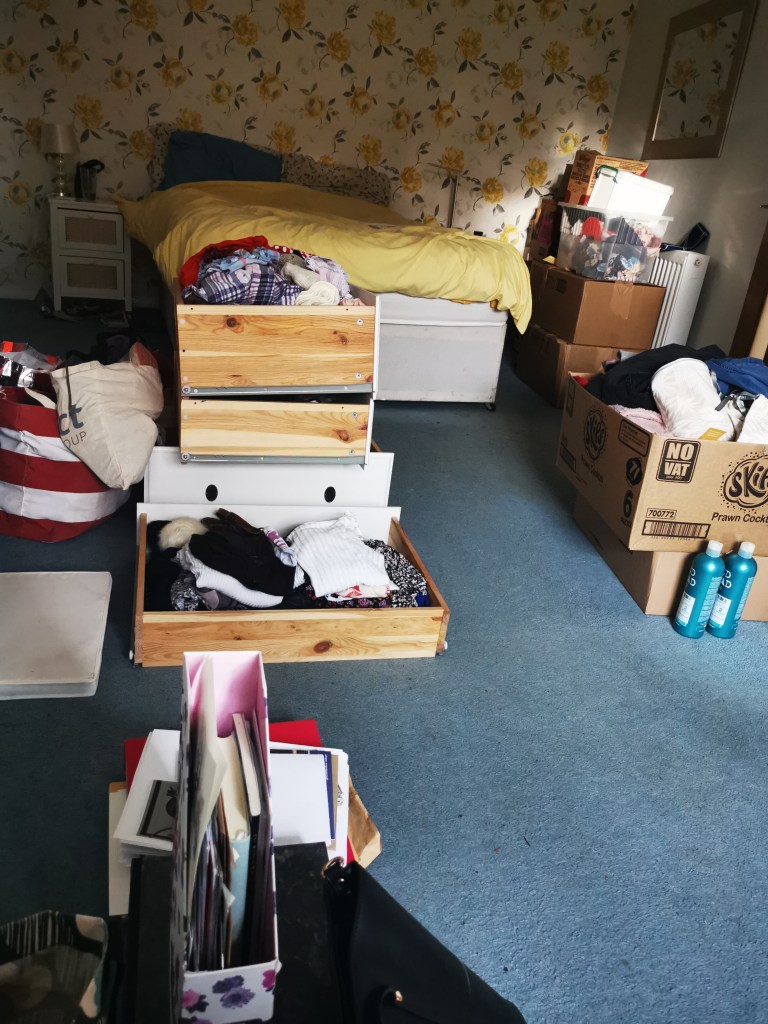
Richard Billingham’s work called Squalid Realism was also an inspiration for my disruptor image (no. 4) which shows packed boxes in my bedroom, this feels intimate and a peek into the personal life that one would not otherwise get to see unless it was a close friend or family member. see notes here

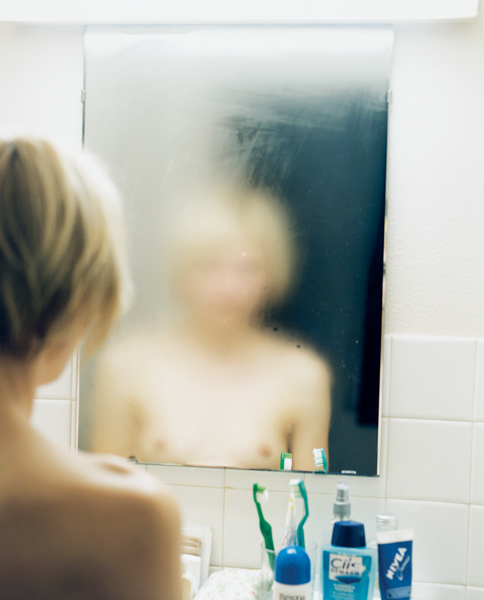
Elina Brotherus in her work Annonciation there is a blurred image which is a theme in her work in this series where hiding subjects within the frame ( and showing certain parts) is a theme. See research notes here

Idea

My ideas immediately were drawn to empty locations and everyday objects in the home, firstly around my African heritage which is a large part of my identity, but I settled on my immediate life experiences that were dramatic and life changing. a more powerful story.
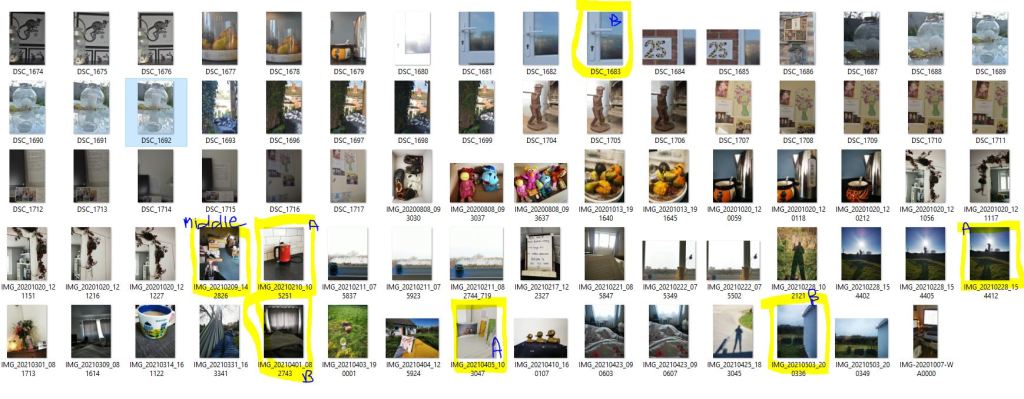
“B” represents the “Before” the break up and the “A” is After the event. The colour palette transforms from grey (before) to more colourful after. The images are tightly cropped before, representing a feeling of being trapped in a very small world, not being able to see beyond the four walls. After contains more colour, being outside beyond the prison like feel of four walls and people are included, but only in a shadow or a photo, a representation of a first step to “normality”

Conclusion

The recommended reading by my tutor about how to read a photograph and sequencing of work has really helped me in an area I find challenging, the editing/selection process. The “why” have I chosen what I have from a few hundred images has become less difficult. I have learned a great deal about self portraiture and how a life story can be expressed through images in so many different ways.

See my assignment blog here

A3: Self Portraiture

Out Of The Darkness

This series tells a story of a relationship break up that took place over several months in 2020 and the transition to a new happier life on my own where I am free to connect with my family again in an uninhibited way.

The work contains images of banal domestic objects within the confines of my home where I lived with my partner during the troubled relationship as well as images shot in my new home in a new happier world, which gives this work the title “Out of the Darkness”.

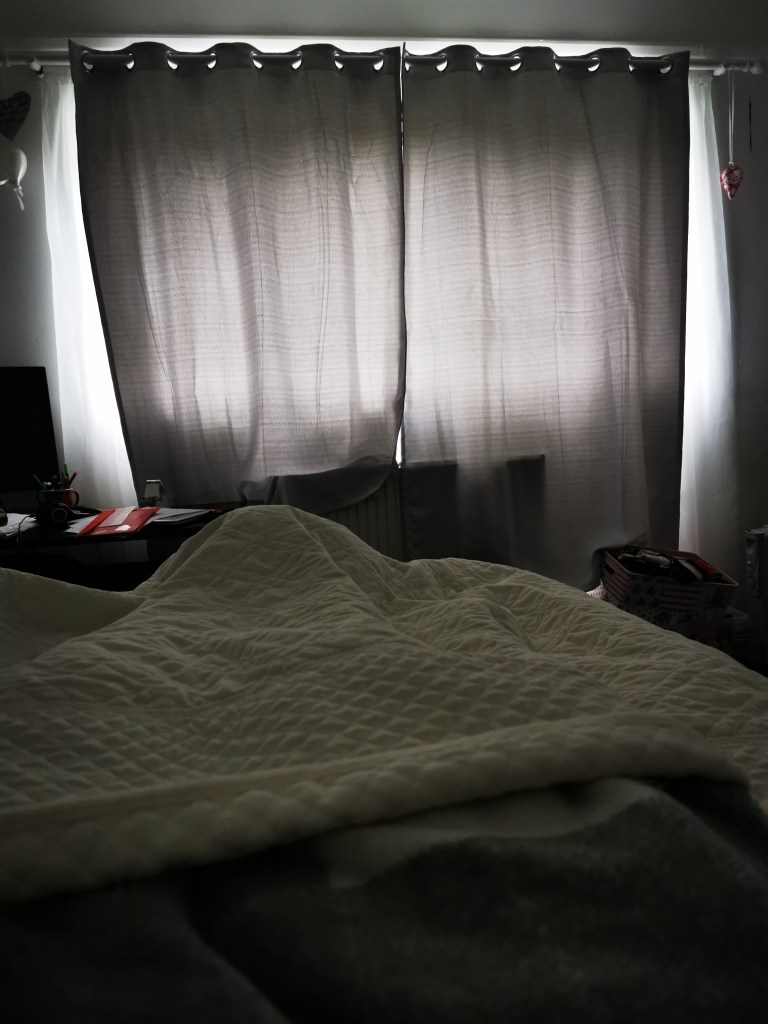
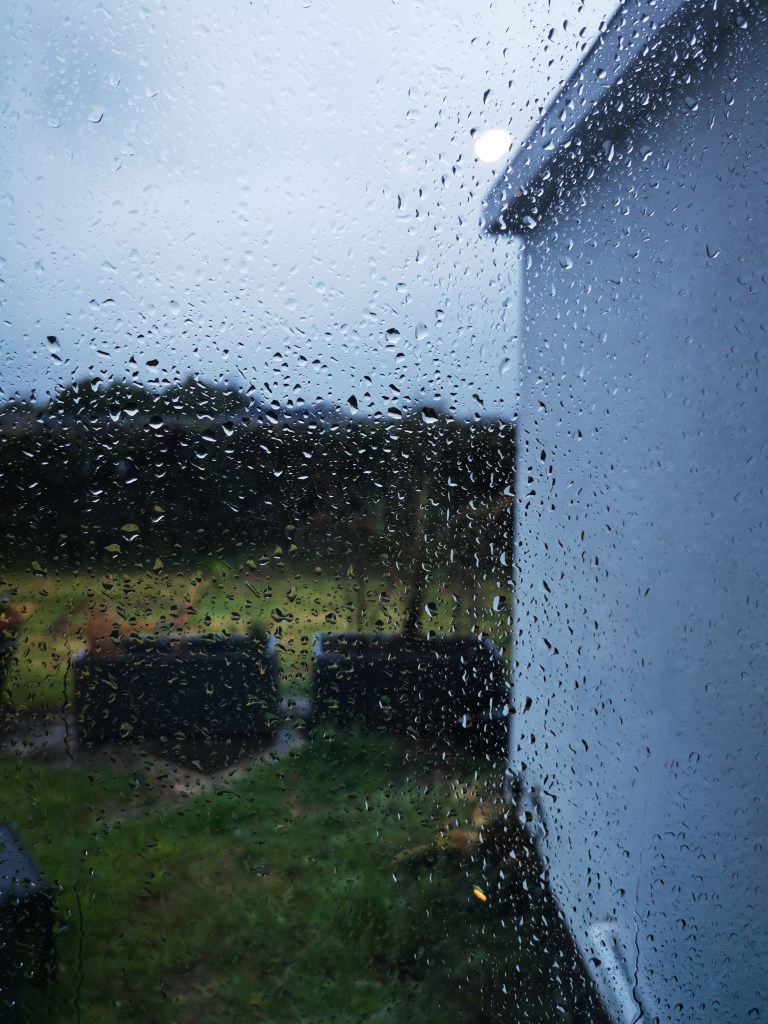
The first three images (during the troubled relationship) are shot from within the home looking outwards. The last four images contain more colourful objects, sunlight and people, these are images shot during and after the break up and in a new happier world.

During the troubled relationship:

Image 1

Image 2
Image 3

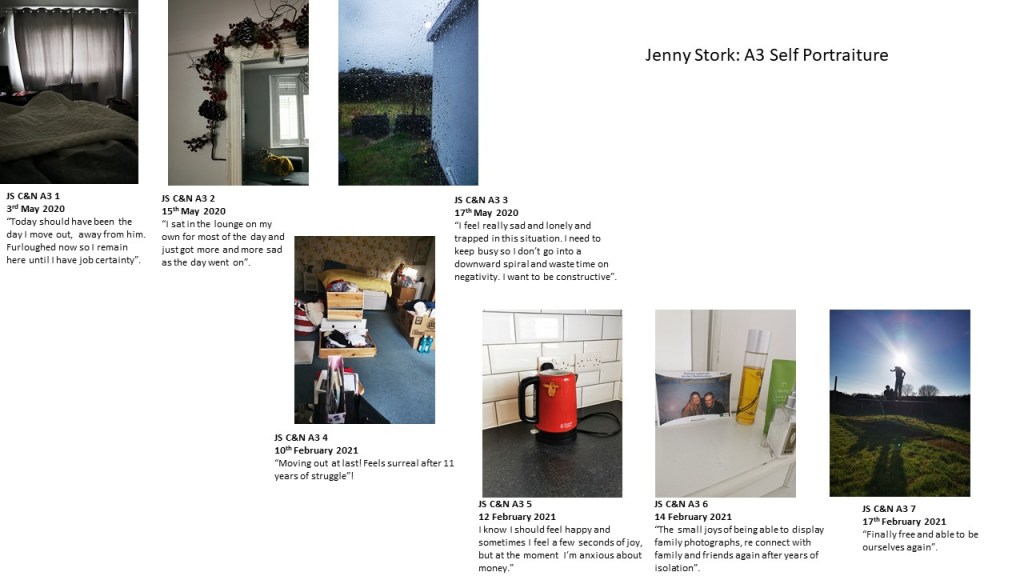
Image 3 was shot when still living with my partner on a rainy, grey cloudy day shot from indoors through a window looking out. The subjects beyond the window are blurred by the glass barrier and the rain. The outside world is not visible in the first three images. The light is muted and contains shadows.

The series is disrupted by a fourth image in a snapshot style at a wider angle which also creates disruption and a juxtaposition to the formal tightly cropped images preceding this. Further disruption is in the contrasting colours to the first three images, bright blue and yellow. Image 4 contains a collection of boxes that appear rather chaotic and clutter the image, another contrast to the preceding images with only a few objects. The sunshine in the room in this disruptor image is also in contrast to the gloomy rain and grey tones contained in the first three images.

Moving Out

Image 4 Disruptor Shot

A New Life

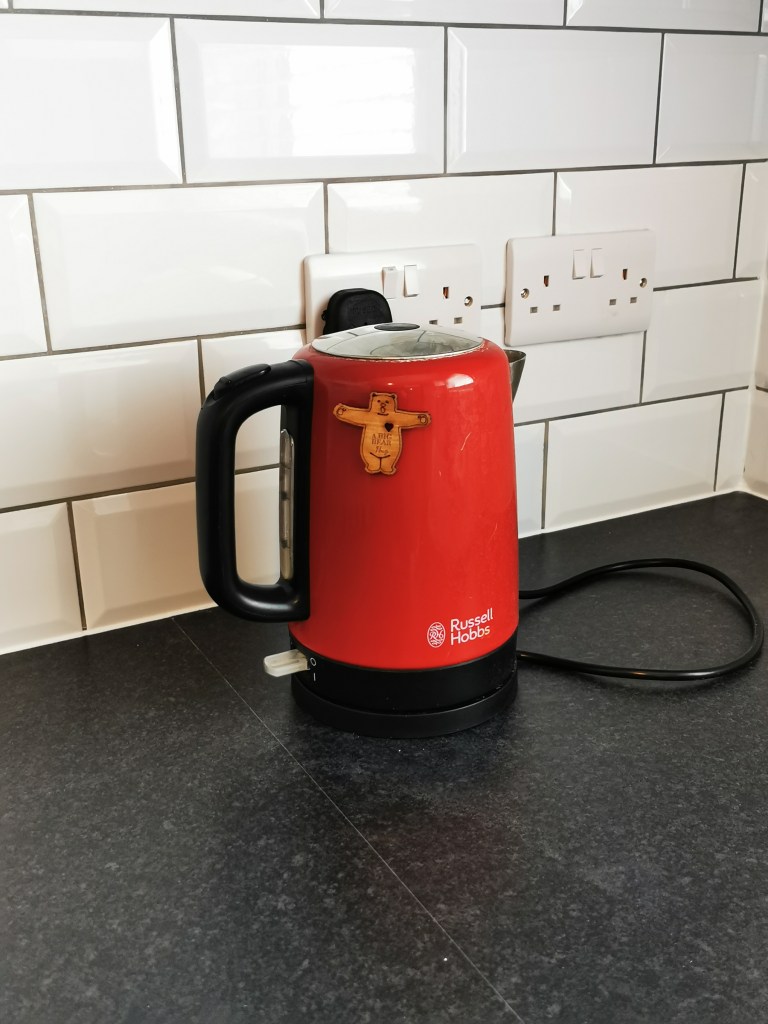
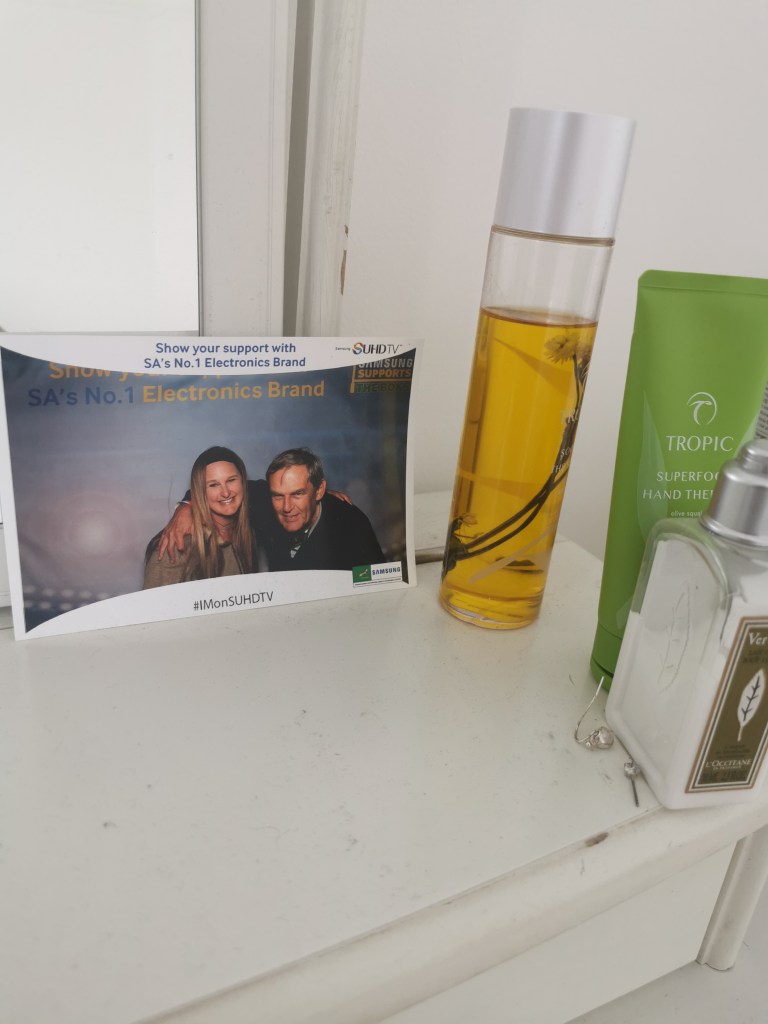
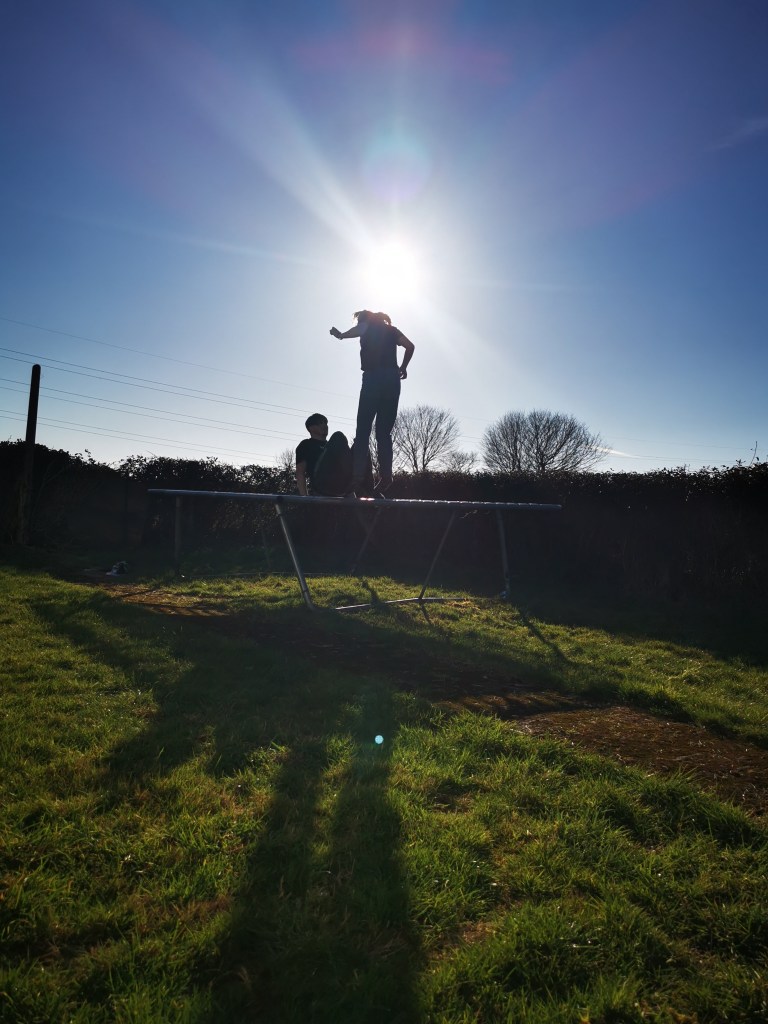
Images 5 & 6 containing the kettle and the dressing table are taken looking inwards and focusing inside the home, a different approach to the first three images in the series that were shot facing away from the home and outwards through the window. The first three images are shot in a tightly cropped formal style with a grey tone and the first two images contain no shadows inside the house. The shadows in image 6 are positive, from direct sunlight in a sunny environment. The last three images are still within the confines of a domestic situation but the subjects are more colourful and contain people, in contrast to the first 3 images. The final image contains bright sunny weather and human activity shot beyond the confines of the house looking from beyond the window, outside in the garden.

Image 5
Image 6
Image 7

My body of work includes captions accompanying each image, these are selected snippets from my diary written over several months during 2020. This series represents a life changing event, a breakdown of a relationship

My series of images (body of work) Images are inspired by the work of Shafran with the absence of human figures and the mundane domestic nature of the work, focusing on everyday objects instead of people. I have used colour codes to reflect a mood where the first 3 images are grey and void of humans. I associate monotonous grey tones with little colour as a visual representation of my life at the time, of negative emotions such as sadness, being trapped and loneliness, I am portraying the feeling of being trapped and longing to be beyond the window and free outside. Composition is closely cropped to also capture the feeling of being stifled and trapped. Image 3 which shows a blurred outside world also reflects a feeling of not being able to connect with the outside world in a real way. Image 6 is an important final representation of life at that point in time. It shows how the outside world has become clearer, not clear to the point where the person is visible in the image, but it is progress compared to the images 1,2 & 3 that represented life before the break up.

Development of the work

Future work could include another series of images that include the confines of the domestic boundary but clearer images of people and relationships, these could contain sunny warm light at wide angles. The future series could also contain images beyond the boundary of the home, embracing the world in an uninhibited way.

Outcome

The work could be displayed on a wall in a gallery and would flow in a timeline sequence as in the layout below. I received some cards from friends and family when I moved to my new home, these could be displayed on a table at the exhibition to add another dimension to the work. The room where the images are displayed would be a celebratory theme with the opening night champagne and upbeat music to engender the feel of a happy free life.

Made with Padlet

Research, preparation and ideas for this assignment can be found here

Unit 3: Exercise 3: Childhood Memories


Recreate a childhood memory in a photograph.​ Think carefully about the
memory you choose and how you’ll recreate it. You’re free to approach this task
in any way you wish.

  1. Does the memory involve you directly or is it something you witnessed?
  2. Will you include your adult self in the image (for example, to ‘stand in’ for
    your childhood self) or will you ask a model to represent you? Or will you
    be absent from the image altogether? (You’ll look at the work of some
    artists who have chosen to depict some aspect of their life without
    including themselves in the image in the next project.)
  3. Will you try and recreate the memory literally or will you represent it in a
    more metaphorical way, as you did in Part Two?
  4. Will you accompany your image with some text?
  5. In your learning log, reflect on the final outcome. How does the
    photograph resemble your memory? Is it different from what you
    expected? What does it communicate to the viewer? How?
    It might be interesting to show your photograph to friends or family members –
    perhaps someone who was there at the time and someone who wasn’t – and see
    what the image conveys to them.

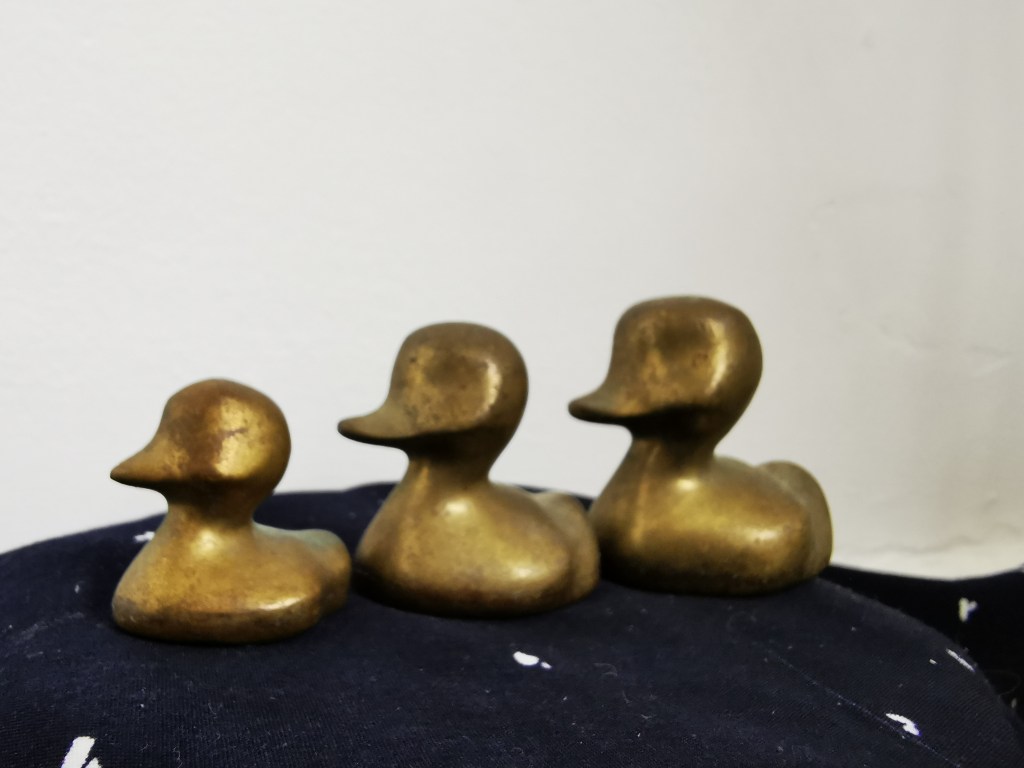
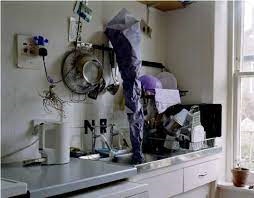
I chose to use two objects from my childhood that bring back memories for me of my mother when I was young. The material background is a dress once owned by my mother who passed away fourteen years ago. She would frequently wear it when I was a child, and when I last saw her I commented on how lovely the dress was so much that she gave it to me. From that day on, now some twenty years ago, I have been striving to lose weight to be able to wear it one day, I fear that day will never come. The dress now hangs in my bedroom as a memory of her. The three brass duck ornaments were once in my childhood home and I was given them when my Mum died. These ornaments my Mum especially treasured and instantly bring back memories of my time with her and how she used to tell me how much she loved to collect brass ornaments and which one she next wanted to buy to add to her collection. This photograph of a childhood memory is recreated in a literal way rather than metaphorically and the image would have to be accompanied by some text for it to be meaningful to anyone else but me.

Childhood memories, brass ornaments from my childhood home on a dress my Mum used to wear when I was a child.

Unit 3: Exercise 4: Nigel Shafran Critique

Go to the artist’s website and look at the other images in Shafran’s series.
You may have noticed that ​Washing-up ​is the only piece of work in Part Three
created by a man. It is also the only one with no human figures in it, although
family members are referred to in the captions.


● In what ways might a photographer’s gender contribute to the creation
and reading of an image?
● What does this series achieve by not including people?
● Do you regard them as interesting ‘still life’ compositions?
Make some notes in your learning log.

Gender plays a part in what a person chooses to photograph and how. Women tend to bring emotion and people into their work, although some very talented male photographers have done the same, Martin Parr, for example, and Daniel Meadows.

The reading of an image could be read differently depending on gender, women tend to look at small details, men are more objective perhaps. Woman like Francesca Woodman and Sophie Calle express their own emotions through the creation of images.

Shafran’s series achieves an opportunity to look into the private spaces in the home of a person which reveals a great deal of information about a person. The everyday objects that are usually not the subject of the photograph but rather a distracting background object are of interest to Sharfran and reveals a great deal about a person. His work reveals a house that is in it’s normal state, something visitors rarely see because it would all be tidied away before they visit.

I do regard Shafran’s work as interesting still life compositions because it is not what would traditionally be considered an attractive photograph and therefore catches my attention. Unusual subject matter is interesting, particularly when there is a lot going on in the photograph which makes you return to it several times and discover something new that you didn’t notice before.

https://www.anothermag.com/art-photography/10849/inside-the-process-and-workbooks-of-photographer-nigel-shafran

Unit 3: Exercise 2: Self-Representation

  1. Is there any sense in which Lee’s work could be considered voyeuristic or
    even exploitative? Is she commenting on her own identity, the group
    identity of the people she photographs, or both?
  2. Would you agree to Morrissey’s request if you were enjoying a day on the
    beach with your family? If not, why not?
  3. Morrissey uses self-portraiture in more of her work, namely Seven and The
    Failed Realist. Look at these projects online and make some notes in your
    learning log

Notes:

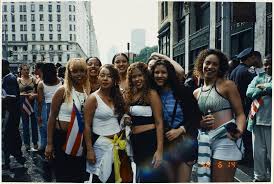
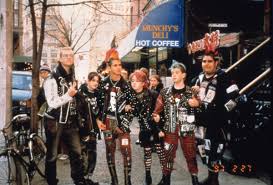
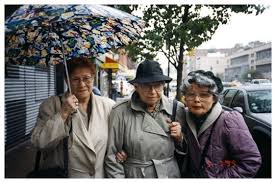
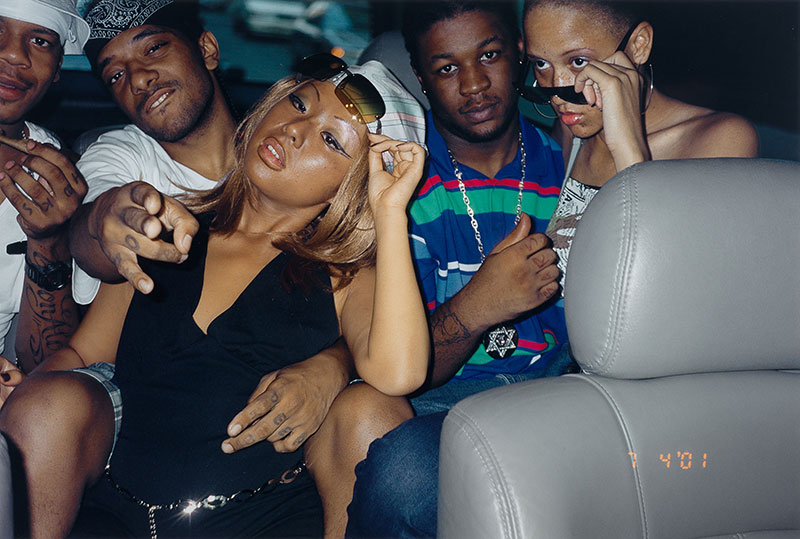
Nikki Lee, Korean born photographer who studied in America and now lives in Seoul. She is best known for her “Projects” series (1997-2001) where she dresses up as different personas such as a skateboarder, school girl, punk, elderly person and so on.She mimics their style and mannerisms in the images. Photos are taken with a disposable or small camera to put people at ease. The work is candid and familiar, the work of an unassuming amateur to give the feeling of authenticity. There are digital date stamps on each image to add to the perceived authenticity of the work.

The modern, potentially similar version of self representation is what images we choose from our life to add to social media and which ones we choose not to show. A collection over time of a certain theme of images the author has chosen creates a view that is not an accurate account but what the author chooses to show. For example, always happy photos and only photos on day trips or holiday creates an image of a jet set lifestyle. Filters used on Instagram and Snapchat are also a form of self representation, some images on social media look nothing like the person they are supposed to be.

Nikki Lee – The Schoolgirl Project
The Hispanic Project
The Punk Project
The Seniors Project
The Hip Hop Project
  1. Is there any sense in which Lee’s work could be considered voyeuristic or
    even exploitative? Is she commenting on her own identity, the group
    identity of the people she photographs, or both?

Her work is in a sense voyeuristic as it gives the viewer a look into the world of a certain group of people, what they look like, how they live and behave,and in what surroundings. She is commenting on how her own identity is not ever static and singular, she is commenting on how in the Western world people can choose their identity, but in the East this is not possible to the same extent.

2. Would you agree to Morrissey’s request if you were enjoying a day on the
beach with your family? If not, why not?

I would not be accommodating of Trish Morrissey’s request if it was not planned and was spontaneous because time with my family is precious and I would want to make the most of it. This view is probably because my children are older and I have less time with them now than I did have, I think my view would be different if my children were younger and trips out were a regular activity.

I can understand how people would find this request intrusive, or false or uncomfortable, but I understand the intention behind the work, if people were not properly briefed I think there would be more resistance to such a proposal.

  1. Trish Morrissey uses self-portraiture in more of her work, namely Seven Years and The
    Failed Realist. Look at these projects online and make some notes in your
    learning log

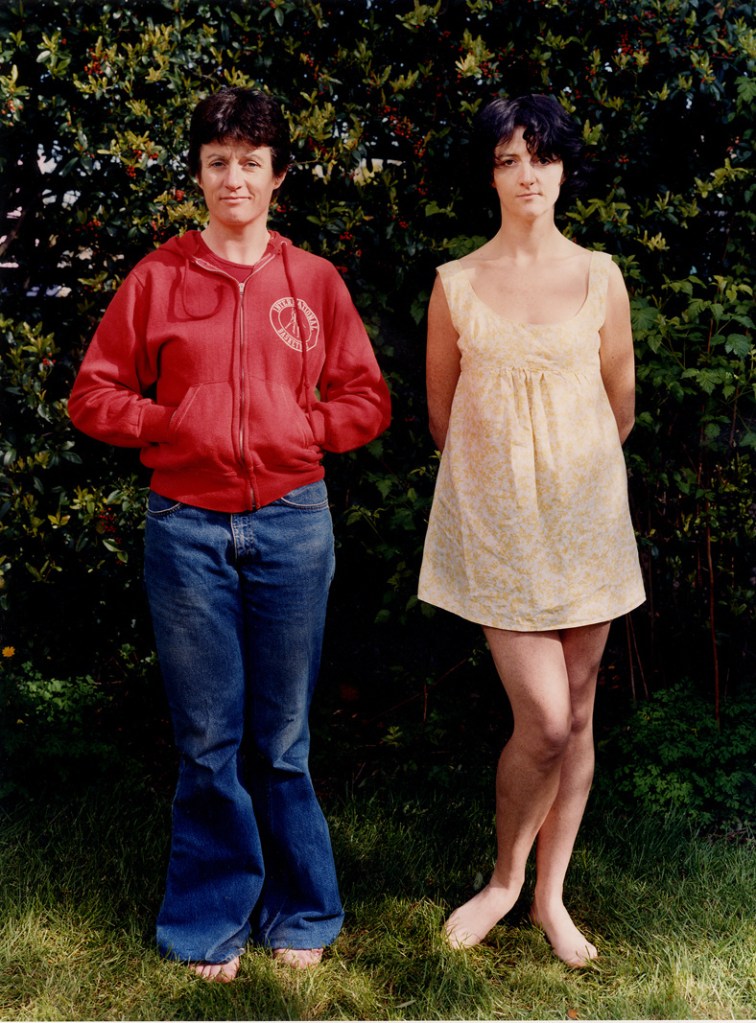
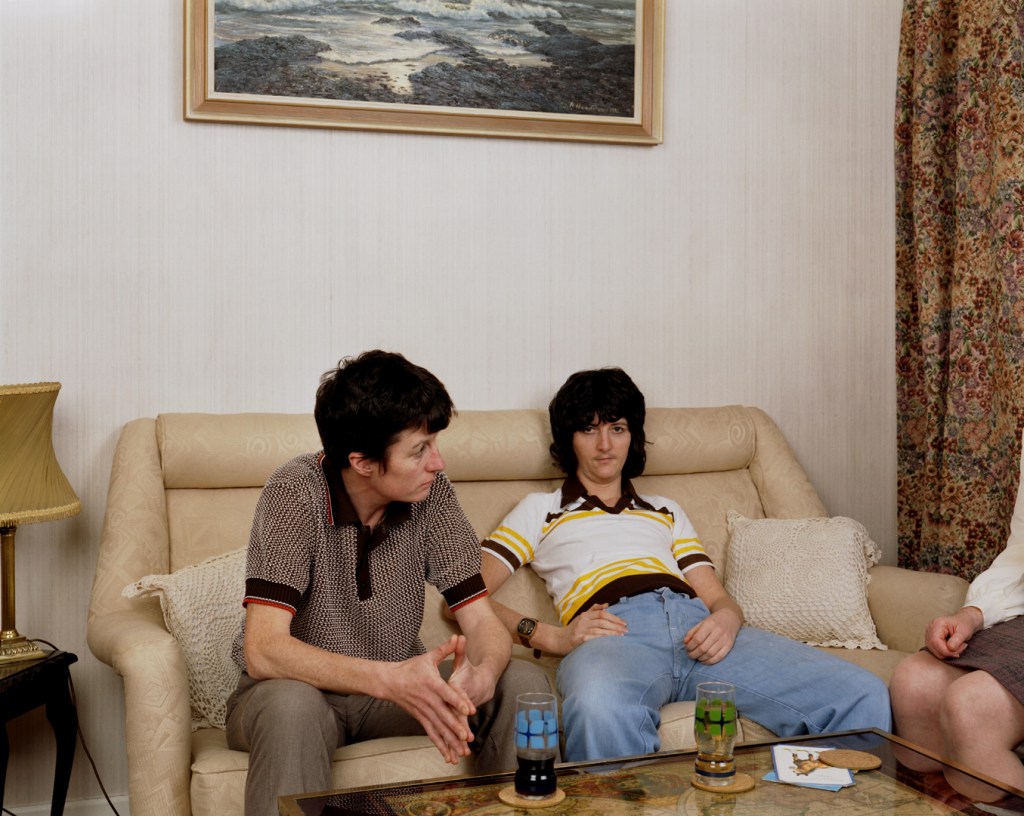
Seven years was made between 2001 and 2004 and the images are recreations of what would be found in family photo albums from the 1970s

Morrisey uses her sister as a model as well as herself and they recreate work that looks like a 1970’s 80’s style snapshot but has been taken in modern times. She cleverly recreates the body language that can bee seen in many snapshot images in family albums such as closed eyes and finger smudges across the lens that affects the image. Morrisey even dresses up as her brother to recreate one image.

Trish Morrissey – 7 Years

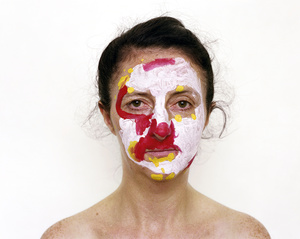
The failed realist – Trish Morrissey

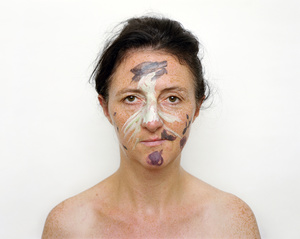
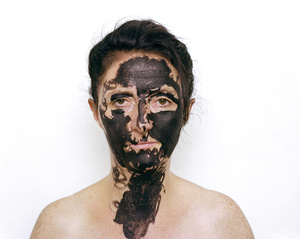
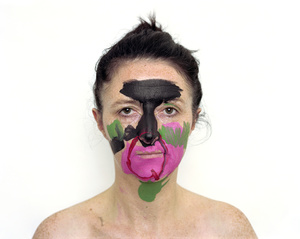
The psychologist Georges-Henri Luquet (1927/2001) referred to the Failed Realist stage as a stage in childhood development. Between the age of 4 and 6, children’s physical development is not capable of visually representing their thoughts or words. This work was made with Morrisey’s daughter in 2011. Her daughter was between 4.5 and 5.5 years old while this work was made. Her daughter painted events or things from recent experiences on Morrisey’s face.

Many artists felt this childlike innocent approach showed direct access to the expressive self and tried to emulate this in the abstract paintings as a “return to innocence” Picasso, Miro and Klee painted in this style with great success.

Trish Morrisey – The Failed Realist – The Tooth Fairy
Trish Morrisey – The Failed Realist – Spotty Cat
Trish Morrisey – The Failed Realist – Penny the Labradoodle
Trish Morrisey – The Failed Realist – Superher

Bibliography

Artnews.com. 2020. Nikki S. Lee Provokes Debates About Cultural Appropriation – Artnews.Com. [online] Available at: <https://www.artnews.com/art-in-america/features/nikki-s-lees-shapeshifting-art-cultural-appropriation-1202682096/&gt; [Accessed 31 October 2020].

LensCulture, T., 2020. Seven Years – Photographs And Text By Trish Morrissey | Lensculture. [online] LensCulture. Available at: <https://www.lensculture.com/articles/trish-morrissey-seven-years&gt; [Accessed 1 November 2020].

Morrissey, T., 2020. Trish Morrissey – The Failed Realist | Lensculture. [online] LensCulture. Available at: <https://www.lensculture.com/projects/228833-the-failed-realist&gt; [Accessed 6 November 2020].

Unit 3: Exercise 1: Elina Brotherus Research and Analysis

Reflect on the pieces of work discussed in this project in your learning log and
do some further research of your own.
Here are a few questions you might ask yourself:
● How do these images make you feel?
● Do you think there’s an element of narcissism or self-indulgence in
focusing on your own identity in this way?
● What’s the significance of Brotherus’s nakedness?
● Can such images ‘work’ for an outsider without accompanying text?
● Do you think any of these artists are also addressing wider issues beyond
the purely personal?
Make some notes in your learning log.

Notes:

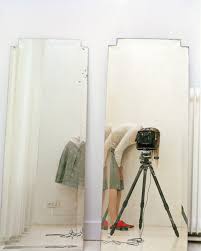
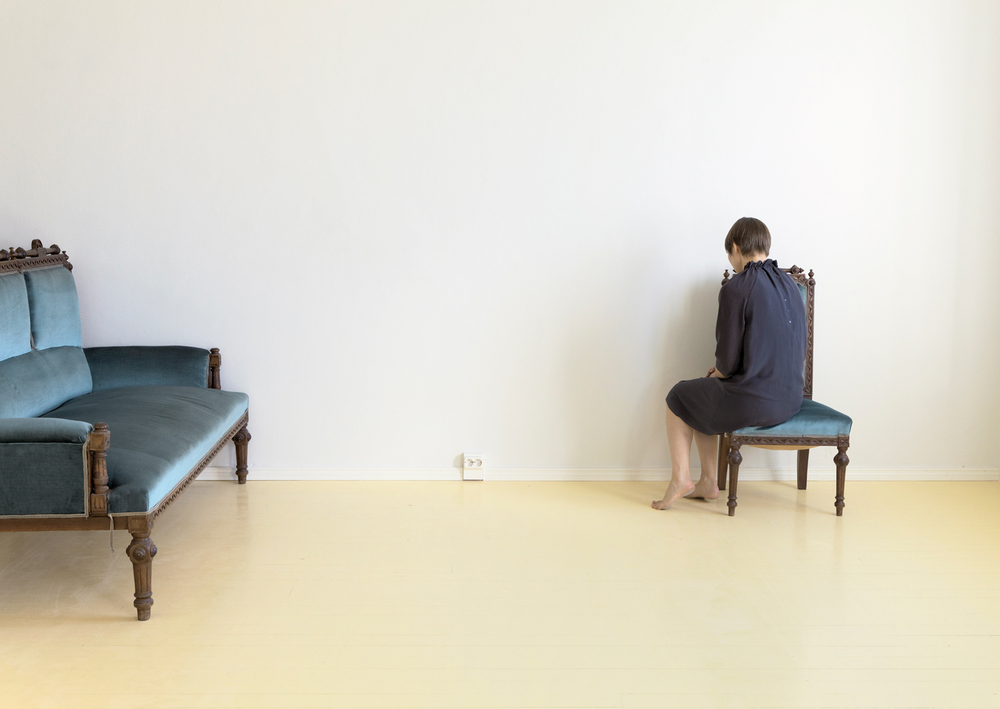
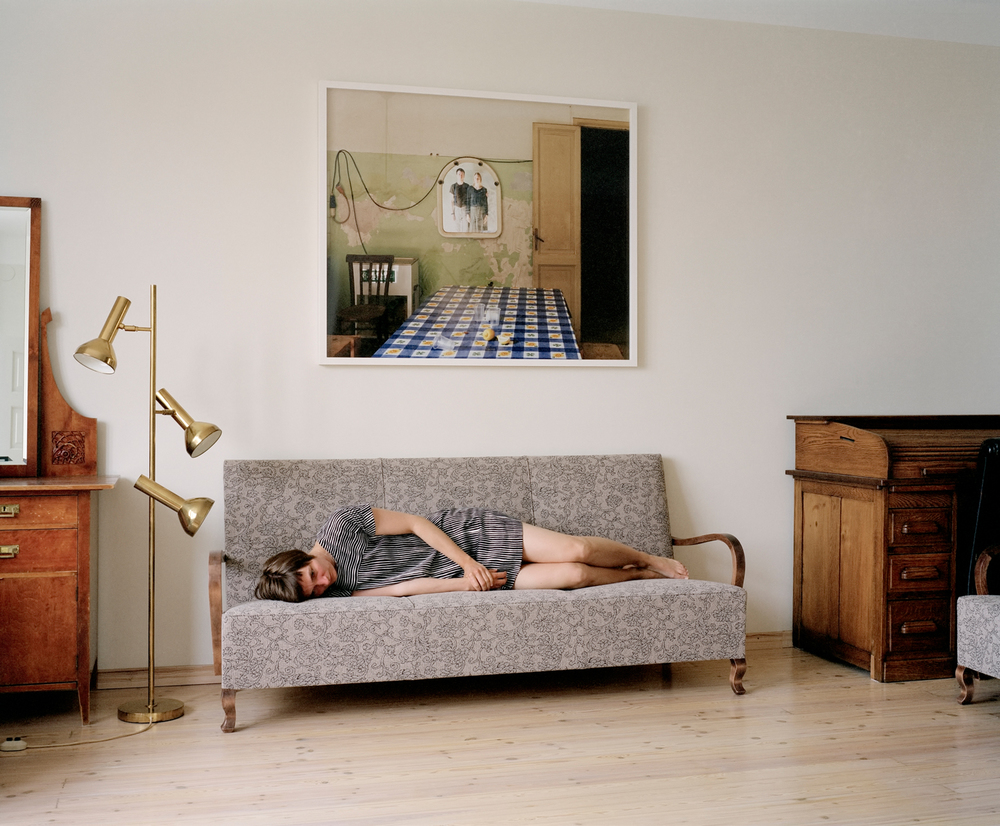
Elina Brotherus – a finnish photographer and video artist, specialising in self portraits and landscapes. An exploration of herself and as a study of her circumstances – an excellent example of using photography as an investigative tool

Annonciation is a word based on Ennunciation which is the announcement of the birth of Jesus to Mary, a virgin birth. The exhibition called Annonciation in 2004 at The Photographer’s Gallery – London – details her IVF treatment over a 5 year period – the title that refers to Mary’s immaculate conception is in direct contrast to her own experiences

Involuntary childlessness is such a taboo subject still and the artist sets out to break this taboo.

In Elina’s video interview below she mentions that she does not like smiles in a photograph because it fixes the meaning immediately, I have often wondered why many artists do this.

She also uses the body in many of her images but a “showing and hiding” theme such as a steamed up glass showing and hiding parts of the body. An image with a gazing ball is another example


Showing and hiding is a theme in a lot of Elina Brotherus’s work
Showing and hiding – Elina Brotherus

Family portraits have become more thought provoking and honest in some photographers’ work like Sally Mann, Elinor Carucci, Richard Billingham and Tierney Gearon – they have moved from the stereotypical nice cute photos expected in this genre to a more realistic portrayal of family.

How do these images make me feel?

Sadness is the main feeling when looking at her work, the starkness of the interior adds to this feeling but the eyes, sloped shoulders and the artist looking down or her back to the camera portrays negativity. The starkness of the images adds to the sense of loneliness she is feeling and this comes across. The sense of loneliness also comes across with her use of negative space which could be interpreted as voids or literal emptiness in the home where a family should be occupying this physical space.

Annonciation

Do you think there’s an element of narcissism or self-indulgence in
focusing on your own identity in this way?

Yes I do think there is an element of narcissism in these images because they are based totally on herself, however, she has made a point that she hopes these images show the outside world what it’s like when infertility dosen’t work for a large group of people who are overlooked in the media. There is an irony that although the work is focused on herself, many people will be able to relate to this and it may highlight their plight, give other people like her a voice, and create a positive outcome in a change of attitude and support for people in this unfortunate situation.

What’s the significance of Brotherus’s nakedness?

It is as if the artist is allowing the viewer into her personal, private space that is hidden from the outside world when she steps out the door of her home. It could be a glimpse behind the curtain not often seen. The nudity is a shock factor that grabs people’s attention, so if the purpose of the work is to do this, the use of her own naked body in the work will help to achieve this.

Can such images ‘work’ for an outsider without accompanying text?

I don’t think it works for an outsider without accompanying text because there is a specific message the artist wants to communicate to an audience and so the text ensures there is no ambiguity and the message is therefore controlled.

Do you think any of these artists are also addressing wider issues beyond
the purely personal?

Yes I do believe this. She is addressing the lack of support and awareness of the large group of people who are unsuccessful after receiving fertility treatment. She makes the comment that the media only focus on the rare success stories that are more popular.

Elina Brotherus. 2020. Photography — Elina Brotherus. [online] Available at: <http://www.elinabrotherus.com/photography&gt; [Accessed 31 October 2020].

The Phoblographer. 2020. Nudity Pertaining To Photography: Is It Really Necessary? (NSFW). [online] Available at: <https://www.thephoblographer.com/2020/06/04/nudity-pertaining-to-photography-is-it-really-necessary-nsfw/&gt; [Accessed 31 October 2020].