Be clearer about describing your work and don’t assume knowledge of a situation but provide the information.
First start with what is in the images, the subjects and then the form. I found as I was re writing some of my assignment based on feedback from my tutor, other observations of what was in the images was being revealed and I expanded on these in the assignment.
I also didn’t explain the use of light, aperture, wide angle, cropped shots and how these were used as codes for different meanings within the images.
I also didn’t fully explain where my inspiration came from for this work. I mentioned one photographer but upon reflection there were several others that I researched as part of this unit that also provided inspiration which I noted down in my research blog.
Removing a rigid style of blog with standard headings for the research blog has helped focus on what is needed. I removed the copy of what the brief was from the blog and tried to make it more digestible with what the tutor wants to see, this is also based on tutor feedback.
The use of Padlet was suggested and this is a great way of illustrating my series of work – I need more practice with this and to see more examples to get to grips with the tool.My tutor advised this could be a good way to play around with sequencing and editing before making a final decision on what is included in the work.
I also added how I would want the final outcome of the work to be presented and in what format.
The blog for the assignment needs to read more like an artist’s statement which is what I have tried to do when amending the blog after tutor feedback was received.
Summarise your research findings – might be a sentence or two – as a reflective learning example. What this then does is show that you have trawled though your own research made notes and concisely summed up the main points then put the reference to the blog – in level two that should be in Harvard thus: • Stork, J., 2021. A3: Self Portraiture: Research and Ideas. [online] Jenny Stork: Photography 1: Context & Narrative. Available at: <https://
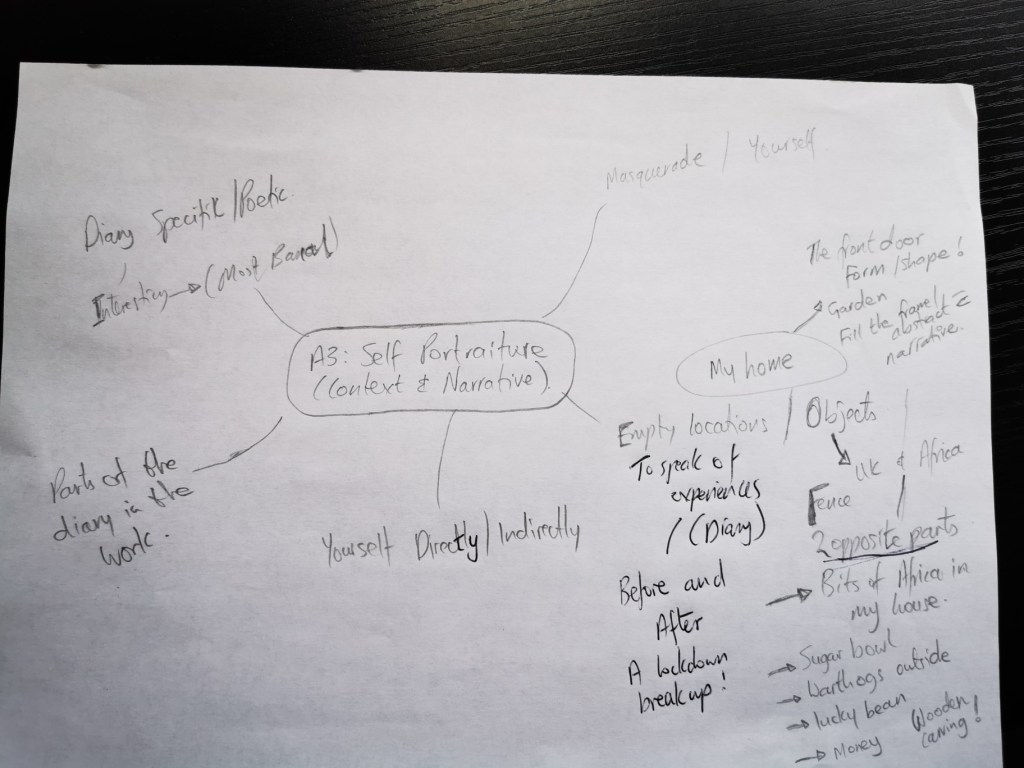
I am by nature not someone who thinks about myself and my identity and does not care about an image as such, I think this is why my immediate response to this brief was to choose empty locations and objects rather than focus on myself or another person to represent me. Usually I have several different ideas in response to an assignment but this time I was sure that there was only one way I would approach this piece of work
Planning
My photographs have been taken over a period of months with a plan to capture moments when I am in a particular state of mind, for example, I photographed parts of my home I could see when I was sitting, feeling helpless and trapped. My version of freedom was being outside and having access to my family and this is what I planned to capture for this assignment. The shoot list method where a list of images are planned before a shoot is not my preference, I feel this is too rigid and has potential to stifle creativity, however, I do see the advantage in this to keep to the brief.
Research /Inspiration
My series of images (body of work) The first x images are inspired by the work of Shafran with the absence of human figures and the mundane domestic nature of the work. See my research exercise on Shafran here
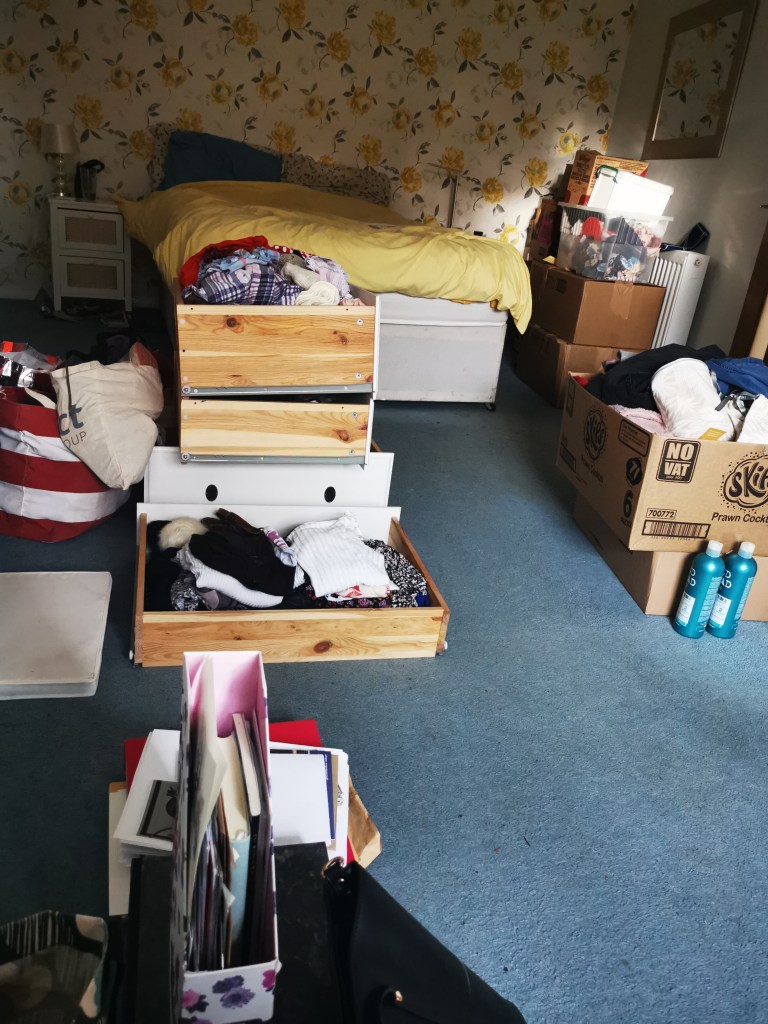
Richard Billingham’s work called Squalid Realism was also an inspiration for my disruptor image (no. 4) which shows packed boxes in my bedroom, this feels intimate and a peek into the personal life that one would not otherwise get to see unless it was a close friend or family member. see notes here
Elina Brotherus in her work Annonciation there is a blurred image which is a theme in her work in this series where hiding subjects within the frame ( and showing certain parts) is a theme. See research notes here
Idea
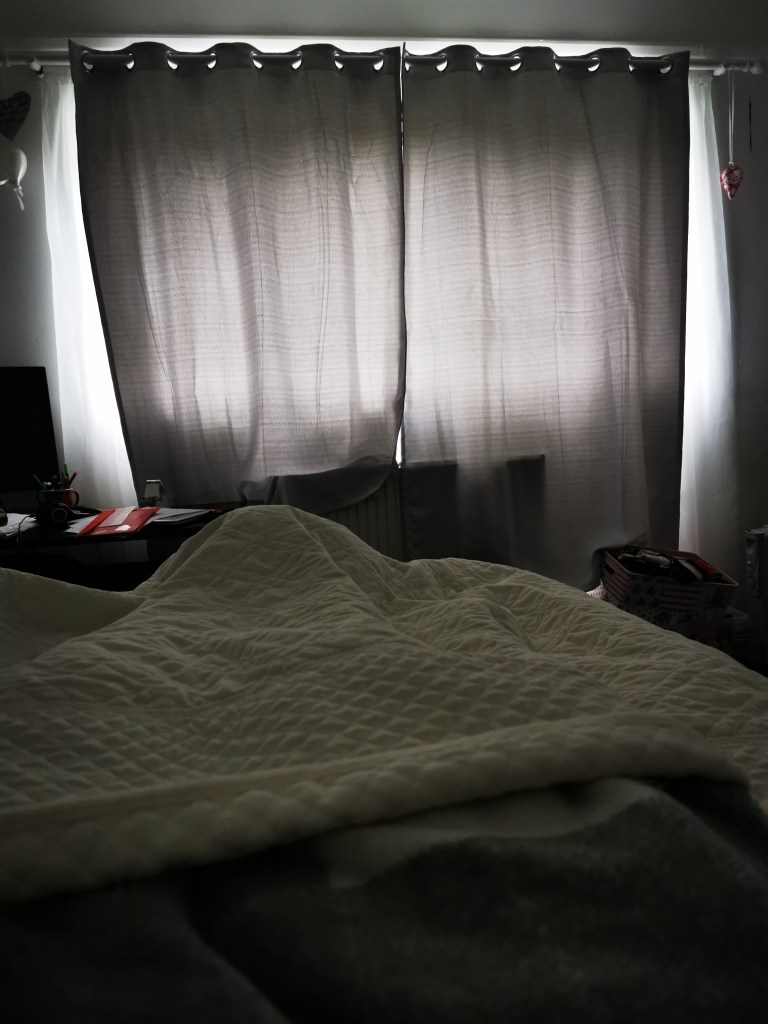
My ideas immediately were drawn to empty locations and everyday objects in the home, firstly around my African heritage which is a large part of my identity, but I settled on my immediate life experiences that were dramatic and life changing. a more powerful story. “B” represents the “Before” the break up and the “A” is After the event. The colour palette transforms from grey (before) to more colourful after. The images are tightly cropped before, representing a feeling of being trapped in a very small world, not being able to see beyond the four walls. After contains more colour, being outside beyond the prison like feel of four walls and people are included, but only in a shadow or a photo, a representation of a first step to “normality”
Conclusion
The recommended reading by my tutor about how to read a photograph and sequencing of work has really helped me in an area I find challenging, the editing/selection process. The “why” have I chosen what I have from a few hundred images has become less difficult. I have learned a great deal about self portraiture and how a life story can be expressed through images in so many different ways.
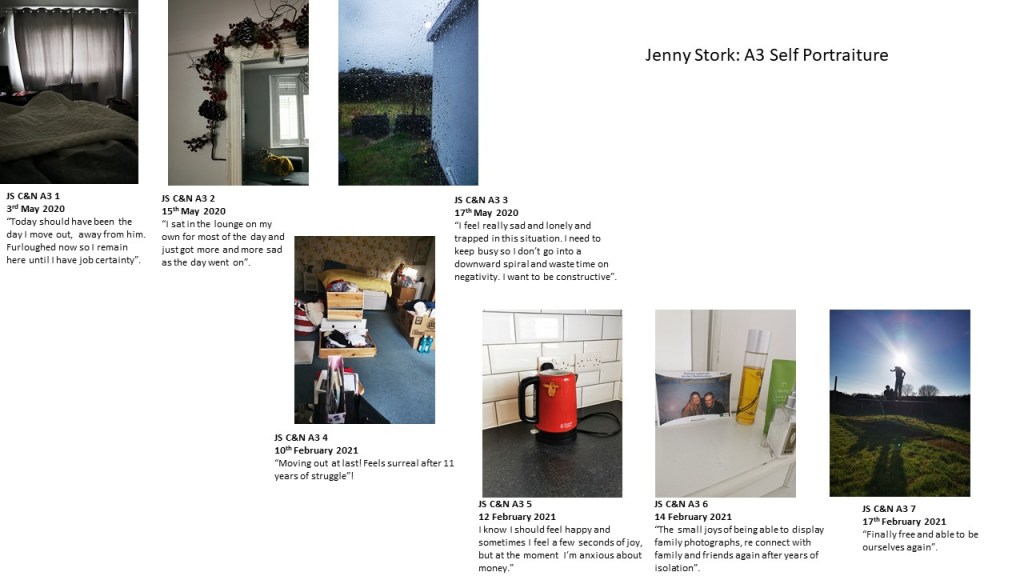
This series tells a story of a relationship break up that took place over several months in 2020 and the transition to a new happier life on my own where I am free to connect with my family again in an uninhibited way.
The work contains images of banal domestic objects within the confines of my home where I lived with my partner during the troubled relationship as well as images shot in my new home in a new happier world, which gives this work the title “Out of the Darkness”.
The first three images (during the troubled relationship) are shot from within the home looking outwards. The last four images contain more colourful objects, sunlight and people, these are images shot during and after the break up and in a new happier world.
During the troubled relationship:
Image 1
Image 2
Image 3
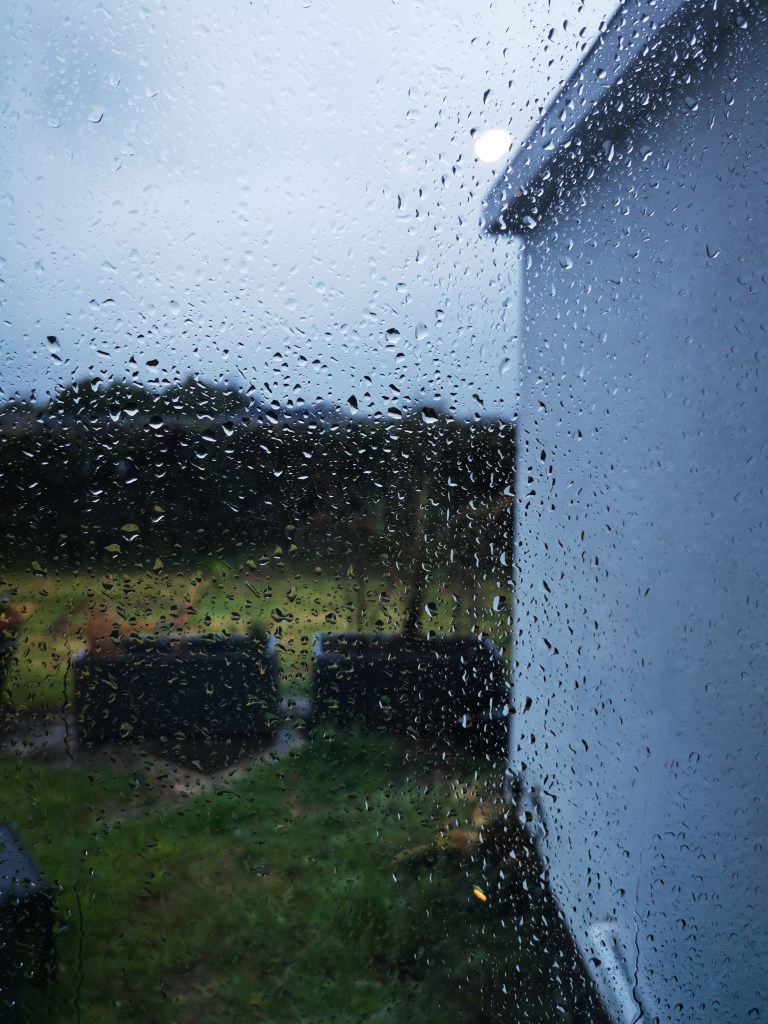
Image 3 was shot when still living with my partner on a rainy, grey cloudy day shot from indoors through a window looking out. The subjects beyond the window are blurred by the glass barrier and the rain. The outside world is not visible in the first three images. The light is muted and contains shadows.
The series is disrupted by a fourth image in a snapshot style at a wider angle which also creates disruption and a juxtaposition to the formal tightly cropped images preceding this. Further disruption is in the contrasting colours to the first three images, bright blue and yellow. Image 4 contains a collection of boxes that appear rather chaotic and clutter the image, another contrast to the preceding images with only a few objects. The sunshine in the room in this disruptor image is also in contrast to the gloomy rain and grey tones contained in the first three images.
Moving Out
Image 4 Disruptor Shot
A New Life
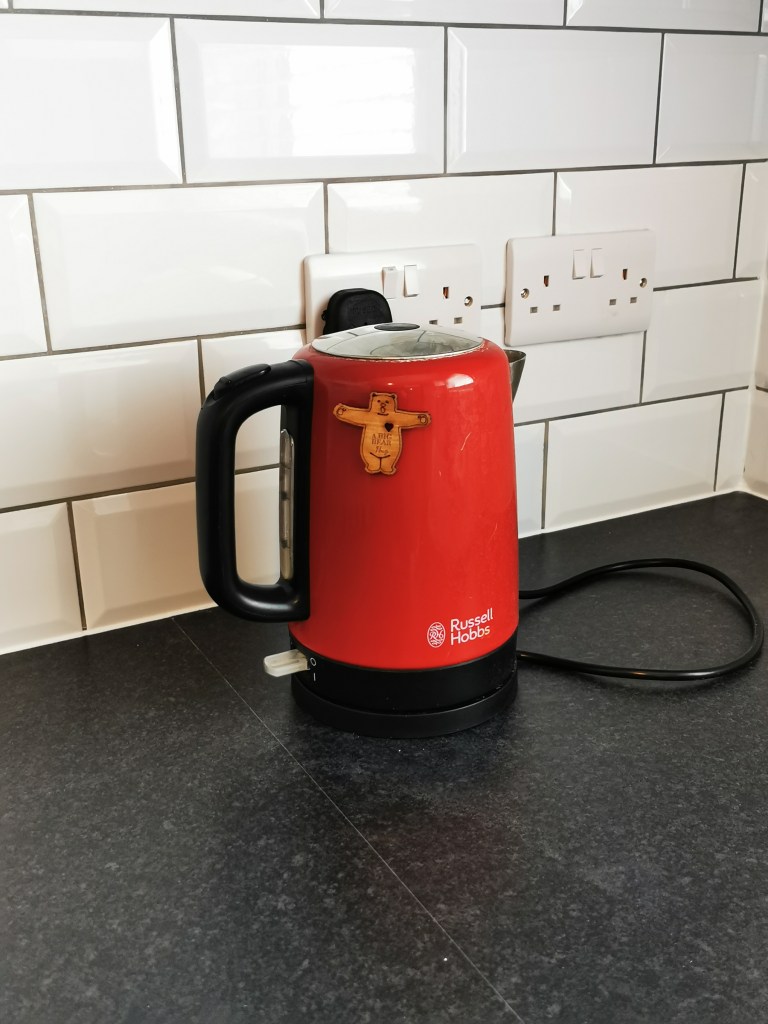
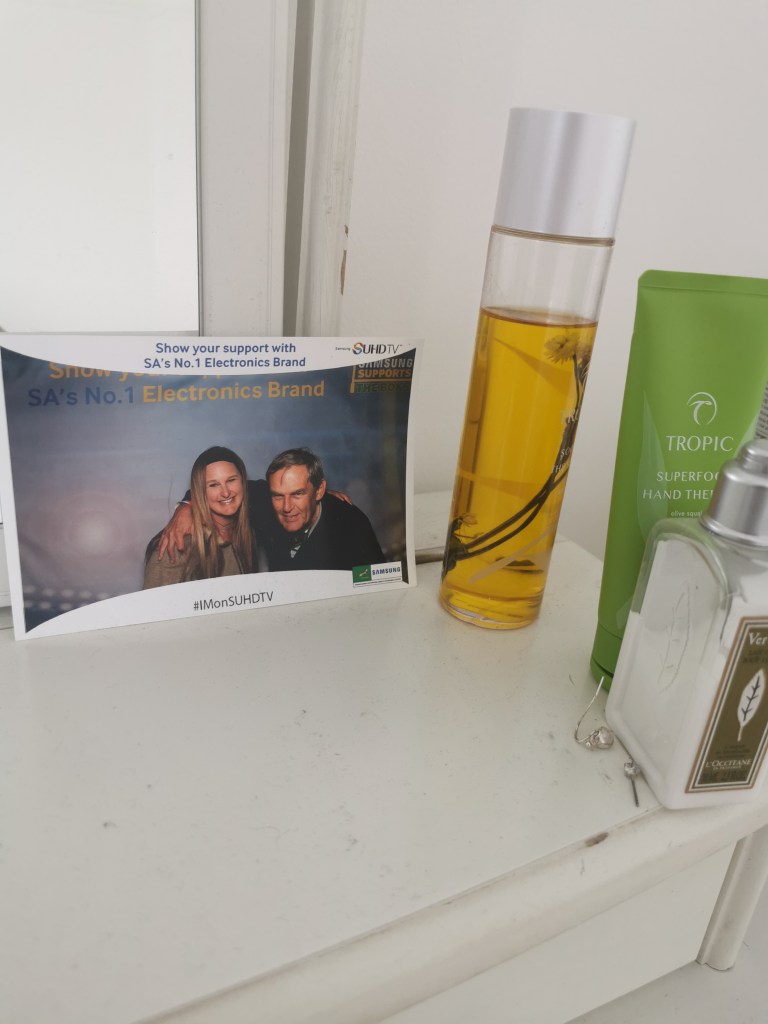
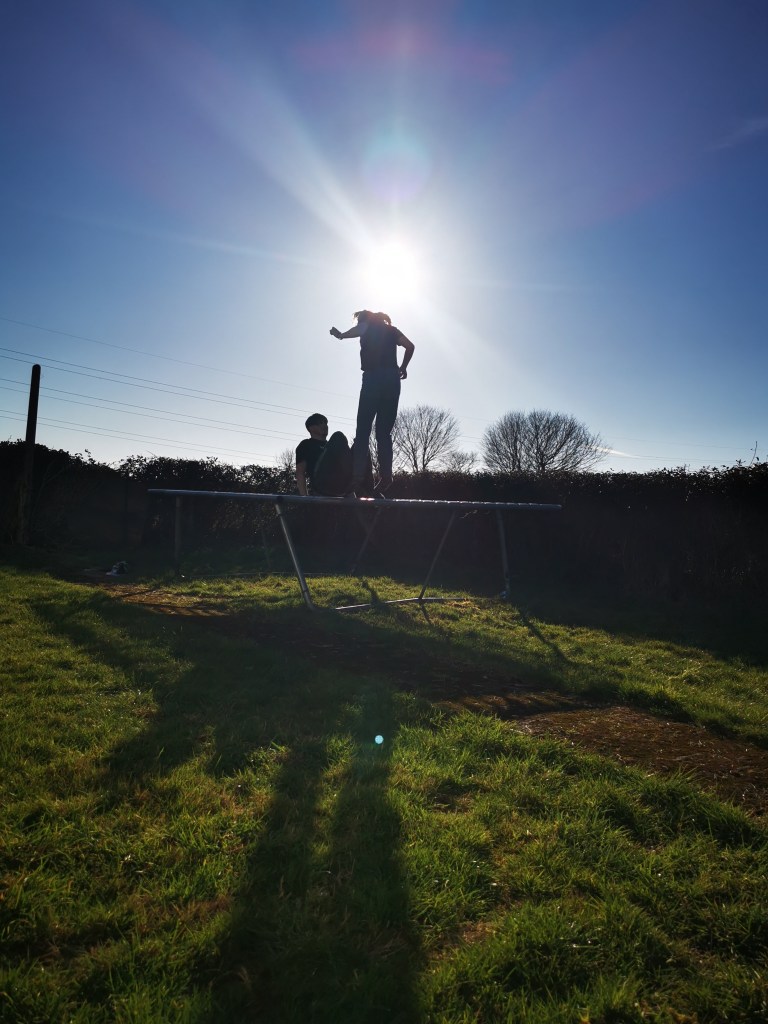
Images 5 & 6 containing the kettle and the dressing table are taken looking inwards and focusing inside the home, a different approach to the first three images in the series that were shot facing away from the home and outwards through the window. The first three images are shot in a tightly cropped formal style with a grey tone and the first two images contain no shadows inside the house. The shadows in image 6 are positive, from direct sunlight in a sunny environment. The last three images are still within the confines of a domestic situation but the subjects are more colourful and contain people, in contrast to the first 3 images. The final image contains bright sunny weather and human activity shot beyond the confines of the house looking from beyond the window, outside in the garden.
Image 5
Image 6
Image 7
My body of work includes captions accompanying each image, these are selected snippets from my diary written over several months during 2020. This series represents a life changing event, a breakdown of a relationship
My series of images (body of work) Images are inspired by the work of Shafran with the absence of human figures and the mundane domestic nature of the work, focusing on everyday objects instead of people. I have used colour codes to reflect a mood where the first 3 images are grey and void of humans. I associate monotonous grey tones with little colour as a visual representation of my life at the time, of negative emotions such as sadness, being trapped and loneliness, I am portraying the feeling of being trapped and longing to be beyond the window and free outside. Composition is closely cropped to also capture the feeling of being stifled and trapped. Image 3 which shows a blurred outside world also reflects a feeling of not being able to connect with the outside world in a real way. Image 6 is an important final representation of life at that point in time. It shows how the outside world has become clearer, not clear to the point where the person is visible in the image, but it is progress compared to the images 1,2 & 3 that represented life before the break up.
Development of the work
Future work could include another series of images that include the confines of the domestic boundary but clearer images of people and relationships, these could contain sunny warm light at wide angles. The future series could also contain images beyond the boundary of the home, embracing the world in an uninhibited way.
Outcome
The work could be displayed on a wall in a gallery and would flow in a timeline sequence as in the layout below. I received some cards from friends and family when I moved to my new home, these could be displayed on a table at the exhibition to add another dimension to the work. The room where the images are displayed would be a celebratory theme with the opening night champagne and upbeat music to engender the feel of a happy free life.
Research, preparation and ideas for this assignment can be found here
The meaning of “Discourse” is explained well by Graham Clarke in his book “The Photograph”:
“That reading (any reading) involves a series of problematic, ambiguous, and often contradictory meanings and relationships between the reader and the image. The photograph achieves meaning through what has been called a ‘photographic discourse‘: a language of codes which involves its own grammar and syntax”.
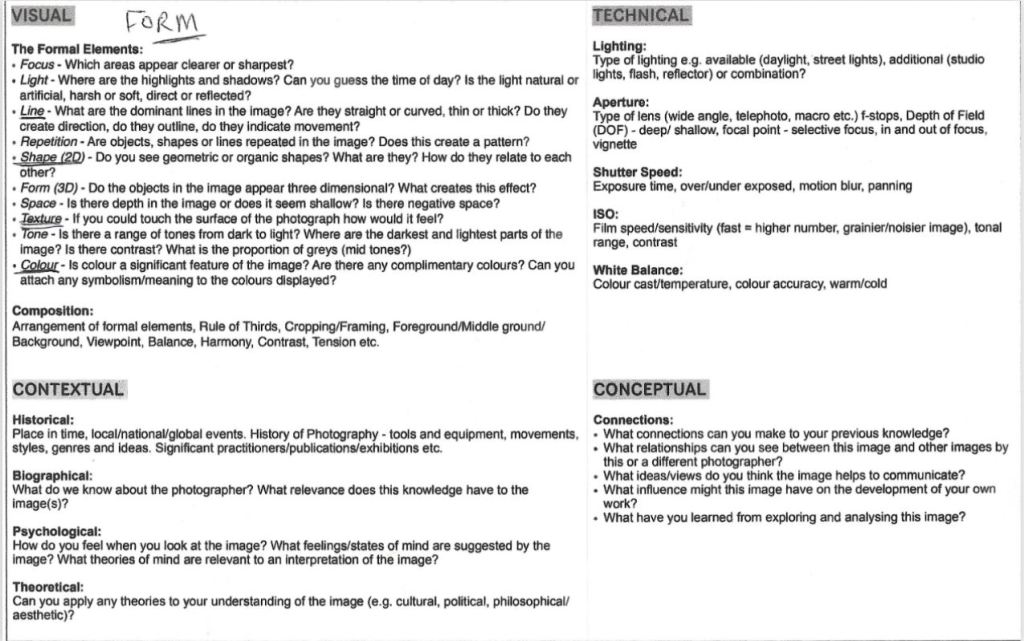
Use keywords to describe the images you make for your assignments: How to critique a photograph and the language of the photograph is something I am still trying to get to grips with. Using the framework given to me by my tutor should help in my next assignment:
Photographic codes is something new to me, I now understand a little more about this concept, an example about how lighting creates codes, an uplight on a portrait creates a spooky feel to the character, backlight gives glamour and diffused light gives a flattering feel to a portrait.
I am still getting to grips with getting an effective workflow routine where cataloging of photographs so retrieval is possible many years down the line is done effectively.
Theory informs and enriches our practice: The two main writers who discuss the definition of context are Terry Barrett and John A Walker and Bate around the history of photography at three key times, the start in the early 1800’s, the 1920.30’s and the 60’s to 80s, these times in history created theory around the subject and some well known essays from these periods are referenced today by students.
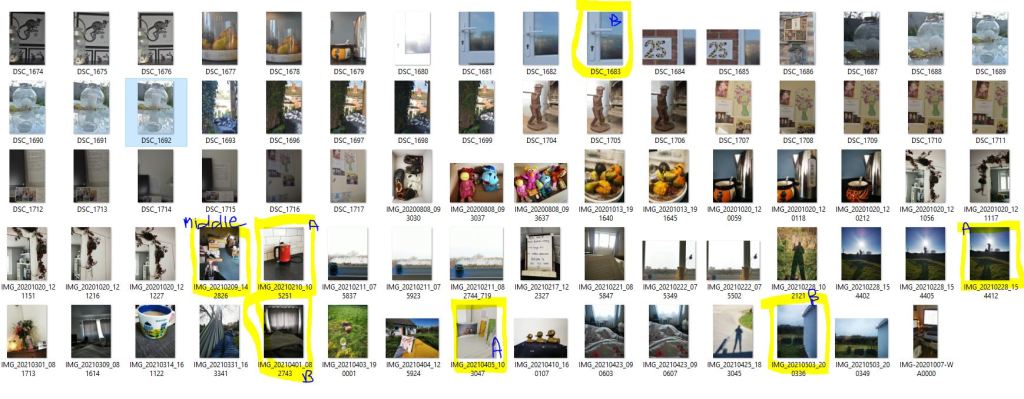
Print out photos at the editing stage to select the best set: A step forward for me this time was to print several of my images and lay them out and re arrange them and see what fits together visually and as a narrative. I looked particularly at a common theme of form and colours in my chosen series. This is something I am just going to have to continue practicing. I re read relevant parts of Jorg Colberg’s book, Understanding Photobooks before starting this process to guide my thinking and refresh myself of the principles involved. I am hoping this becomes more natural to me with practice.
Useful website for photography teachers and students:
This work focuses on two main themes, firstly, the unseen, which means simply things the camera cannot photograph, such as the psychological states, emotions, feelings. Secondly, the text that accompanies each image shows that the unseen can be interpreted in many different ways by different people. These images have been photographed within walking distance of my home during a period when the Covid 19 virus reached pandemic levels and everyone in England was advised to stay at home and only travel if absolutely necessary. This was a difficult time for many people, including myself, so I chose grey days to make my work because to me this portrays a sombre mood.
Green, brown and grey colour theme is evident in all images, as well as nature. People are almost absent in the work, another representation of the lockdown enforcement period where isolation and distancing was encouraged. Each image has strong shapes and form such as image 1 where the tunnel leads the eye to the light at the end, a very literal interpretation can be made and then interpreted into feelings of needing to stay positive during the Covid 19 lockdown period.
The images were captured within the “Square Mile” of my home while out on daily exercise walks during the Covid 19 Lockdown period. It was during these walks that I would often reflect on my feelings and thoughts around this unprecedented time we all found ourselves in. I would see these emotions represented in what some would describe as banal natural surroundings. Each image represents a personal reaction to an emotion or psychological state I felt during what was a difficult and uncertain time for me. My work was inspired by the work of Eugene Smith which I researched and this can be found here
The emotions or psychological states which I personally think are revealed (the unseen) in this body of work are : hope, journey, strength, resilience, growth and restriction.
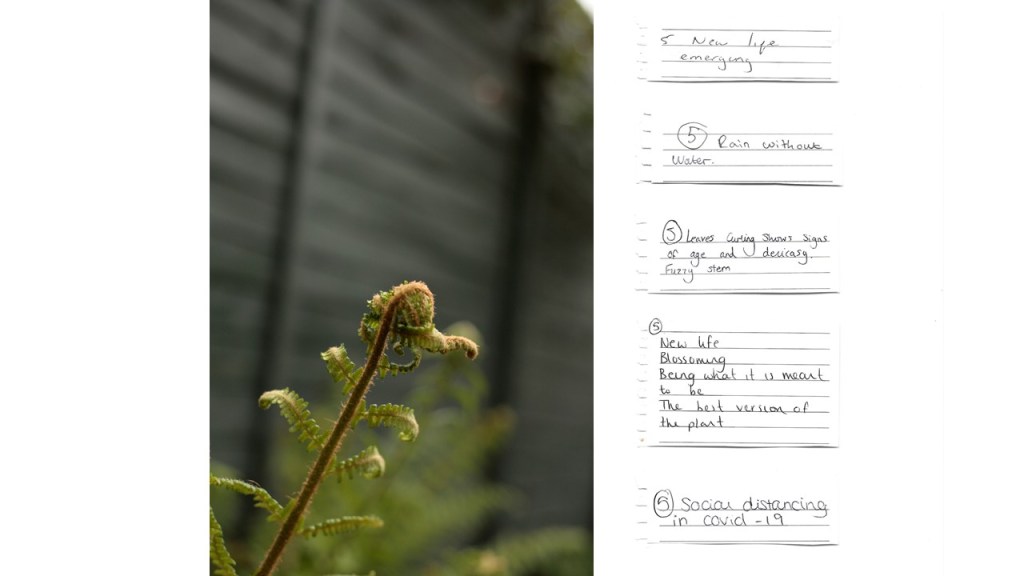
The wording that accompanies the images gives a “third effect” (John A Walker – Context as a determinant of Photographic Meaning), this contextualization of the image now shows that my reaction to what I see in nature is not necessarily the same as someone else, or simply “everyone is different”. For example, image 5 in my work has been interpreted as “social distancing” by someone else, I saw it as “growth”, which shows that people interpret the unseen in images in different ways. This concept is referred to as the “mental context” or what Ernst Gombrich calls “the beholder’s share” which means that people have differnt relations to the same image according to the different places they occupy in society, such as gender, race, nationality, class, age, education ( (John A Walker – Context as a determinant of Photographic Meaning),
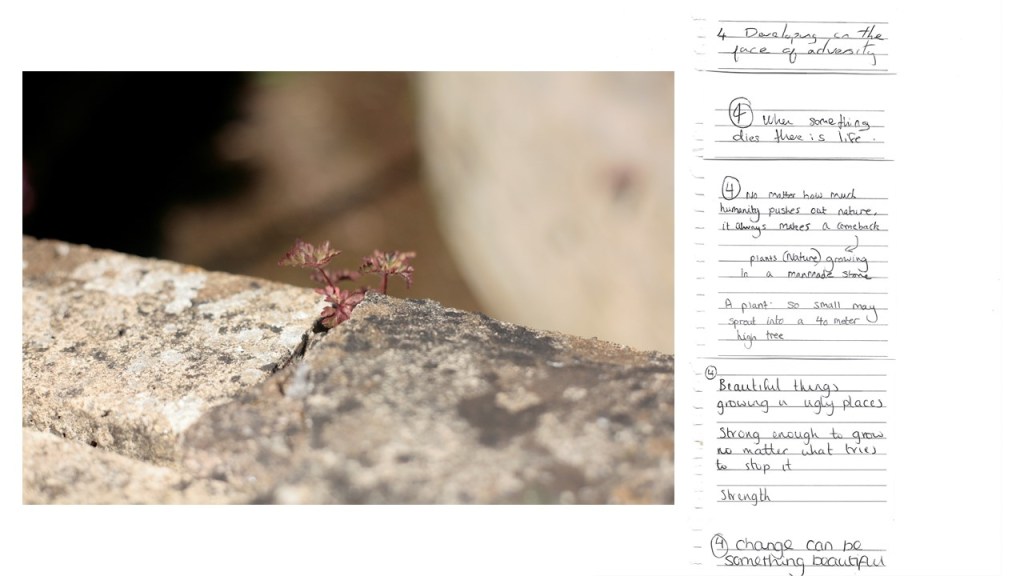
Shallow depth of field has been used in images 4 and 5 to isolate the subject, I kept the background simple and chose the grey and brown colours to support the subject rather than compete.
Image 1 composition was important, the entrance to the tunnel needed to be at the edges of the frame so it gives the impression that there is nowhere to go but through the tunnel. I chose a tunnel that is not particularly attractive because this depicts lockdown life. Lockdown life is becoming a metaphor which people now relate to, which we never did, nether had to before 23rd March 2020.
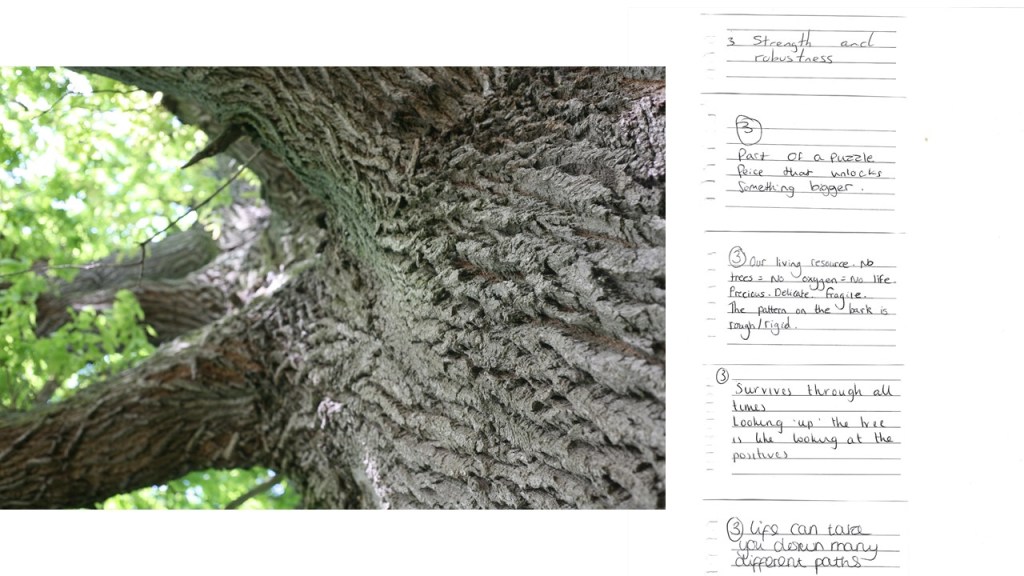
Image 3 shows the rough texture of the tree from a close up, looking upwards perspective, so composition was important here and up close shows the age of the tree in the bark clearly.
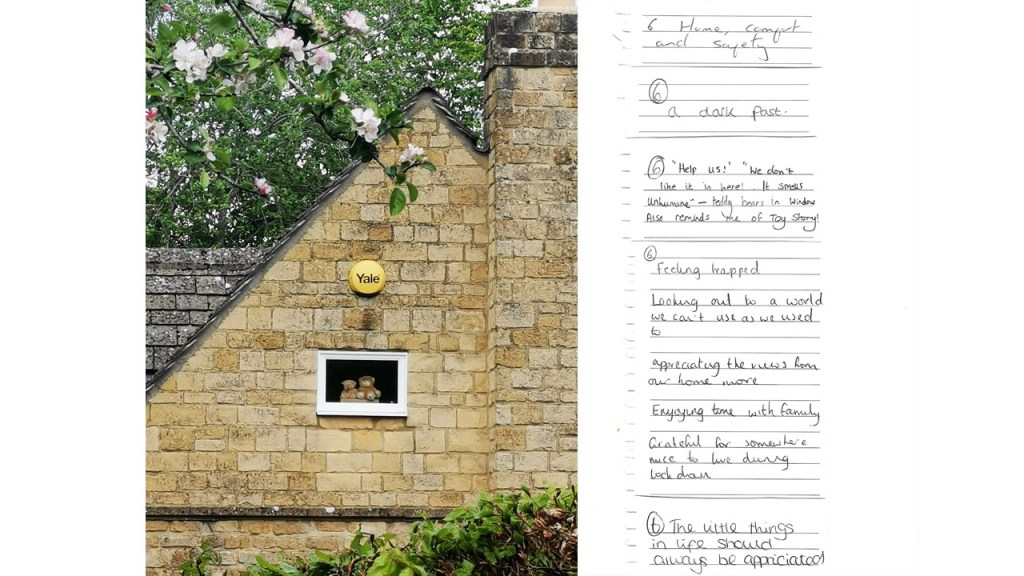
Image 6 shows bears in the window, this was used as a universal symbol across the globe during the lockdown restriction period, it was a symbol of hope similar to the rainbow displayed in homes during this period. These bears to me feel like a typical representation of being restricted and locked in the home.
Lastly image 3 was a common sight for me as I walked near my home during covid and it constantly made me think of the unknown times ahead. I chose an image without blue sky for visual reasons but also for what a blue sky represents, which is often happiness. I composed the people in the frame as distant and with no connection to me to represent self isolation and lack of human contact during this time.
Start by doing some reflecting in your learning log. What kinds of subjects might be seen as unphotographable? How might you go about portraying them using Photography?
List a few examples of things you’re experiencing now or have recently been thinking about. This doesn’t have to be too in-depth or revealing, but it can be if you want. Equally, it might be something as apparently trivial as how you’re going to fit everything into your busy day.
At first you may come up with literal examples, but the more you think about them the more those ideas will develop into specific and more original ones. Make a list of at least seven ideas. Try and keep to things you have a personal interest in or curiosity about.
Keep a notebook with you at all times and make notes when ideas strike you as interesting. (This is good practice for all stages of the degree and beyond. Ideas books are something to be revisited time and again for ideas and hints for the photographer you’re becoming.)
Now implement one of your ideas. Aim for a tightly edited and visually consistent series of 7–10 photographs.
Initial Response To The Assignment
Feelings appear to be impossible to photograph, or unphotographable upon first impressions, objects are an obvious subject. The senses other than sight, such as taste, smell and feel appear at first to be unphotographable.
I have done a lot of reading about the language of photography to really understand this concept and in order to make work that communicates what you want it to. You have to think about making your image with the subject, form and content in mind. I have also listened to a lecture by Eileen Rafferty on the Language of Photography on YouTube and this has helped me understand this concept too. The subject needs to be clear and other elements in the frame are used to support it. The visual elements need to help you communicate the concept or idea, the symbols or metaphors need to tell the story.
Think of things that are personal to me and that I currently have a special interest in.
How would I photograph the unseen? The use of symbols and metaphors are useful to portray a feeling or an emotion, for example, light is often seen as a symbol of joy or hope, a single flower could mean isolation, a road the leads to somewhere that is hidden or obscure could mean an uncertain future ahead.
As I go about my daily walks I see these symbols in nature that I could used to communicate my current mood and feelings during this period of lockdown. I have a personal interest in nature and the outdoors and I have taken my inspiration from this and developed it into work that communicates my feelings during this challenging lockdown period.
Research / Inspiration
Bryony Cambell’s work “The Dad Project” inspired me with her photographs of the light and how the sunshine gave her some comfort in difficult times. This is not related at all to the main narrative but is related in an “unspoken” way to her feelings at the time.
The sunshine and blue skies in this image, photographed by Bryony Campbell shows how she found comfort in nature, the “unseen” in this photograph comes through with the use of symbols such as sunlight and blue skies that may signify emotions such as hope or comfort.
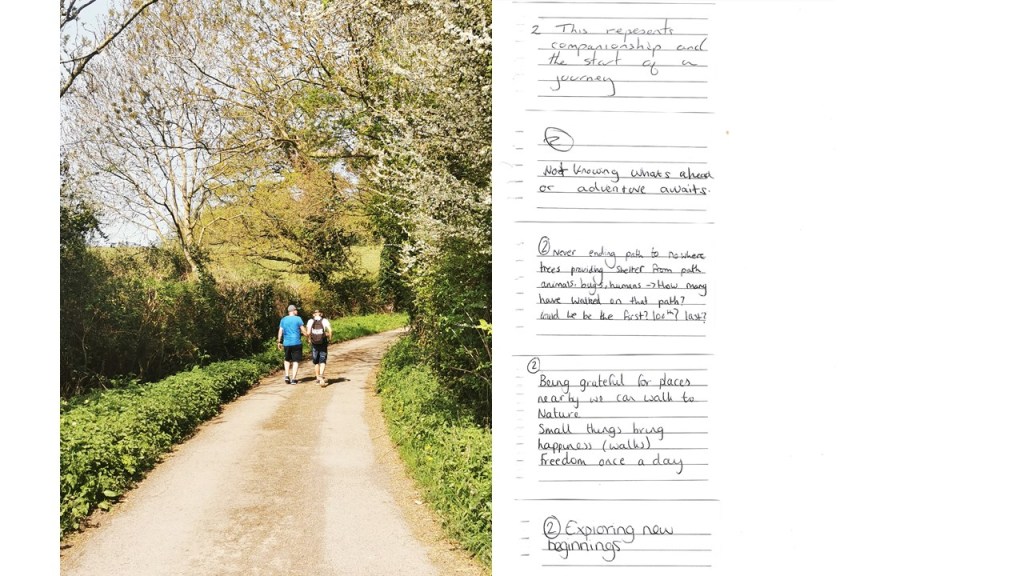
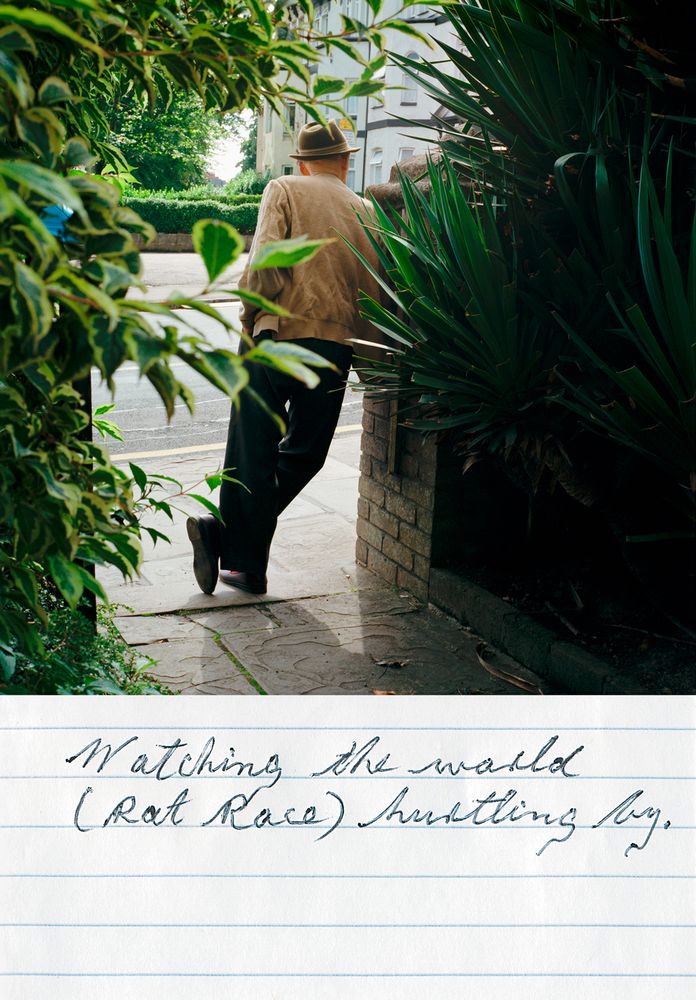
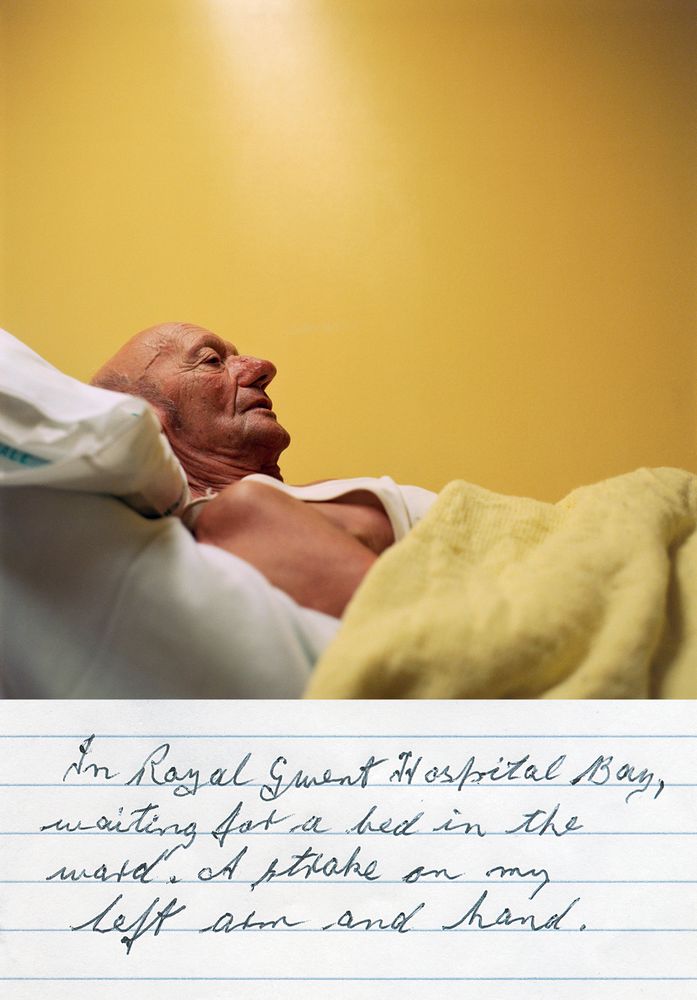
In Graham Clarke’s book called “The Photograph” on page 33 in the chapter entitled “How to read a photograph” he speaks of the photograph always having the capacity to probe and suggest larger conditions, which underlies the notion of an image’s potential “universal” appeal and international language. He suggests there are photographic themes which mitigate against the argument for a photographic language rooted in the culture as the ideology within which the photograph established its meaning. We can then speak of a language of photography, in which every aspect of the photographic space has a potential meaning beyond its literal presence in the picture”. The set of images I plan to create for this assignment will be inspired by this thinking, there will be meanings beyond the literal image, these meanings may be slightly different to each different person viewing the image. I decided to test this theory and asked each member of my family to interpret each image. I have attached the collection of hand written interpretations to each corresponding image to create a set of six diptychs for my assignment.
I also researched the work of Kaylyn Deveney, The Day To Day Life of Alfred Hastings and I was inspired by the way Deveney got the subject to interpret his own photographs in his own handwriting and in his own words, so the subject has more control in the work and it is more of a collaboration. This is what I have done with my work for this assignment and has been the main source of inspiration for my work. I have used lined paper out of a small notebook for each person to write their thoughts and feelings on each image I presented to them.
I am inspired by the work of KayLyn Deveney and her body of work called The Day To Day Life Of Alfred Hastings. I have used the idea of hand writing a description of the image for my work on this assignment.
Ideas
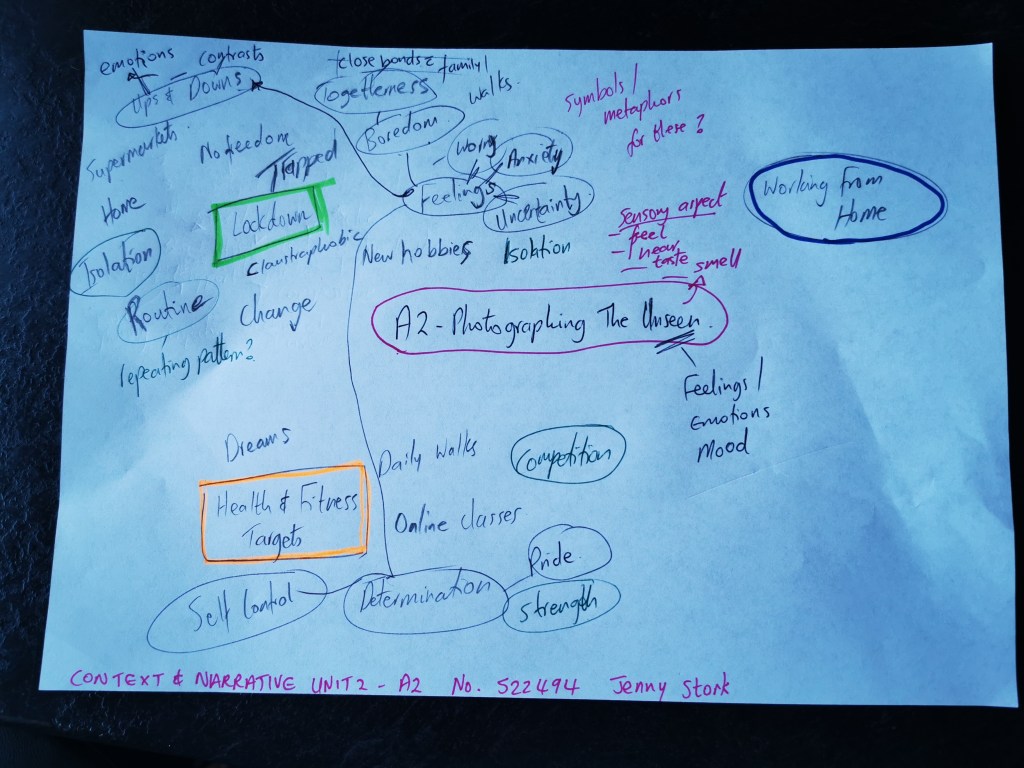
Mind map of ideas for this assessment was created over a number of days where I kept revisiting the brief and thinking about it and jotting down more detail, this, combined with researching theory and other photographers.
As i created my mind map I came up with three ideas that kept recurring, these were:
Working from home: something that has hugely changed my day to day routine and my life in general
COVID and the lockdown measures: how these have impacted me personally, and those closest to me.
Heath and fitness targets: being someone who has recovered from a critical illness, health is very often what I focus on and think about
Planning
I decided to choose the Lockdown theme and interpret this through images since it has had the biggest impact on my life and has really affected every pat of my life from mental health and wellbeing to relationships and my life goals. It is like every aspect of my life as I knew it has gone and everything is up in the air with the potential for radical change. As I went on my daily exercise walks I began to see images that took on other meanings, such as a path that takes a turn and the end is not visible, this can be interpreted in a way that we are all on a journey during COVID times and the end is very unclear.
Execution
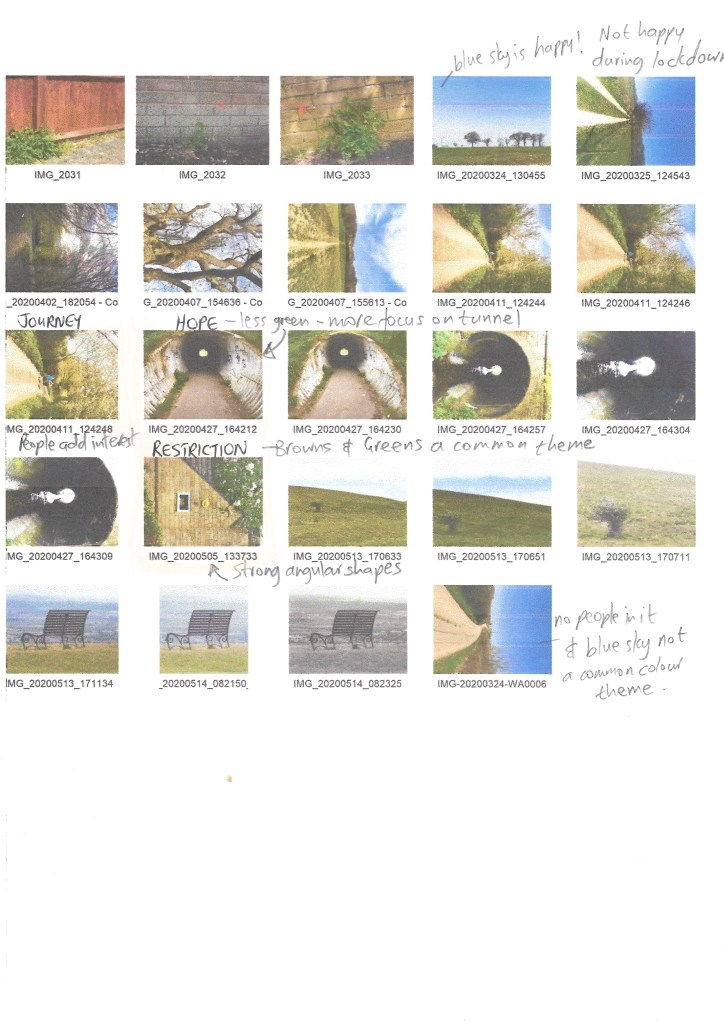
Editing my work I find is one of the most challenging aspects. I took on board my tutors’ feedback from my first assignment and printed out a selection of images I thought may be strong contenders. I laid these out on a table and created a group I thought would look good together, I then noticed the blue sky was very dominant so I discarded these images and went for more muted tones to tie the series together, browns, greys and greens instead. I tried to choose images that had strong shape and lines. I lived with a group for a while then revisited the group and my mind was constantly changing about what I wanted to include. I also had to think that each image has to be different and tell a different story to the others and be able to stand up in it’s own right.
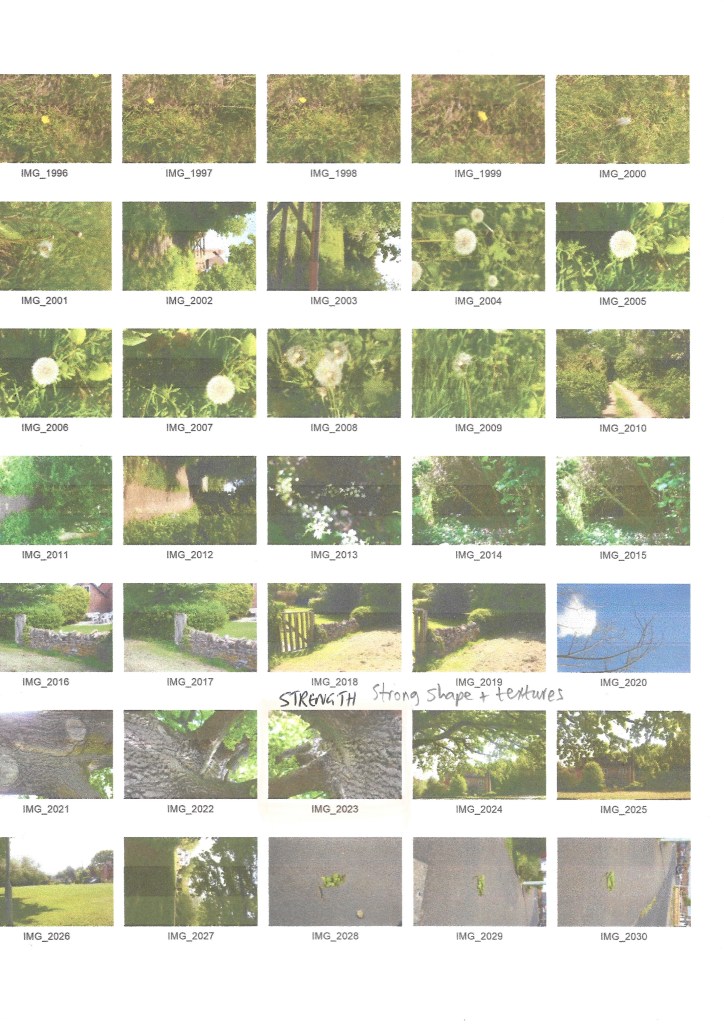
The annotations on my contact sheets are of emotions that come to mind when I see beyond the literal subject matter, I tried to identify strong form and shape and consistent colouring through the chosen images. I find this really difficult and it did help to print off a number of ones I was potentially interested in submitting and just laid them out on a table to see which ones visually connected as a group
Conclusion and Further Work
Once I had created the work and numbered the photographs in my series, those contributing with written words used the numbering I gave to each image. I then thought that the images I chose could have been sequenced better to tell a story. The number allocation was random, when I rework this and depending on feedback from my tutor I will look to apply a narrative thread to this work.
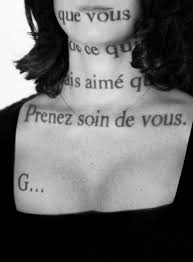
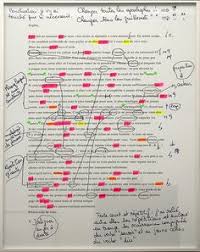
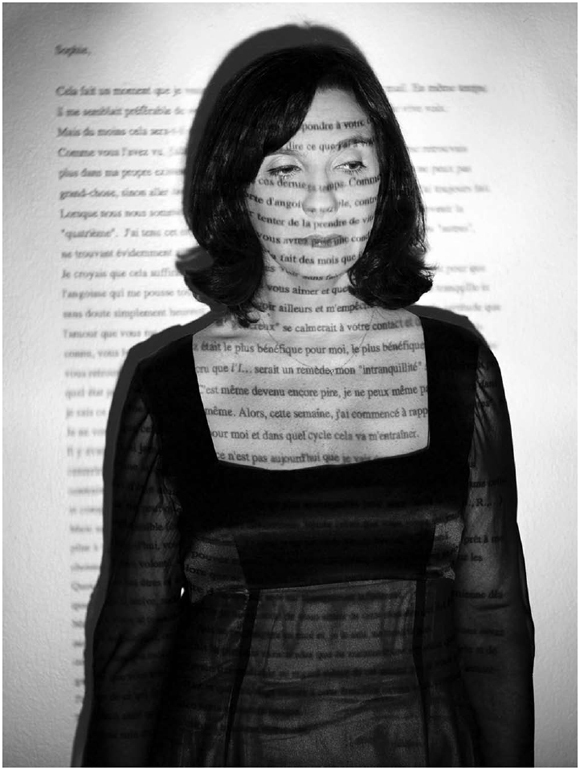
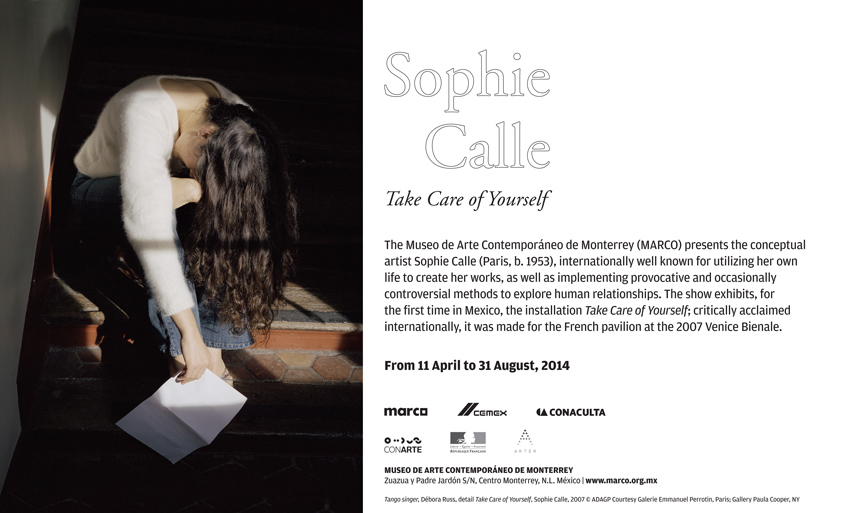
Examples of relay in contemporary photographic practice include Sophie Calle’s Take Care of Yourself and Sophy Rickett’s Objects in the Field (see interview in the Appendix to this course guide) where clashes of understanding or interpretation work together to create a perhaps incomplete but nonetheless enriching dialogue between artist and viewer. Look these pieces up online. Investigate the rationale behind the pieces and see if you can find any critical responses to them. Write down your own responses in your learning log. ● How do these two pieces of work reflect postmodern approaches to narrative?
Post modern approaches to narrative mean that the traditional structure of a story that has a beginning, middle and end is challenged. The notion of authorship control too.
Examples of post modern approaches are
Including fragments of other texts – ambiguous, open ended plots, unresolved endings, reduced, disruptive language.
This approach allows the reader to put themselves into the story, there is a call to the reader to become less passive, for endless possibilities of interpretation for a more enriching experience.
Sophie Calle’s rationale is to use a negative life event and turn it into a positive one through artistic expression using the postmodern narrative approach. The text that is the break up email she received from her boyfriend becomes the work of art, where one of the 109 women who have analysed the email have highlighted certain parts of it to point out grammar errors for example.
Parts of the email text are copied and used on photographic portraits, this is a good example of using a most modern narrative approach (see images below as an example of this)
There is no conclusion to the work, the narrative is open ended for the viewer to interpret. The answers are less important than the forms of engagement of the 109 women from different professions who were asked to review and critique the email message, invited to construct meaning. These forms of engagement are a key creative part of the final body of work since each one approached the critique in their own unique way, depending on their line of work.
Another way to incorporate text into an image-based project is to include interviews or audio. The New York Times has a simple but effective project online called One in 8 Million about the inhabitants of New York. It includes images of people from different walks of life and professions with audio clips overlaid to give a voice to the subject. It is a clever way of celebrating the richness and diversity of a city with such cultural and social variety. Some photographers use interviews and diaries to incorporate text with their images. You can research the following examples by searching on the weareoca website:
Kaylyn Deveney – The Day-to-Day Life of Alfred Hastings
Who is KayLynn Deveney? From USA, she moved to the south of Wales to study documentary photography and earned a masters and PHD in University of Wales Newport. The Day-To-Day life of Alfred Hastings was her first photography book produced in 2007. In 2008 it was nominated by several institutions across the world for “best photobook”
Deveney’s work focusses on addressing the myths of domesticity. She lived near an elderly gentleman called Alfred Hastings and became friends with him and asked if she could work with him to make this work. This module has been focused on the use of text that works alongside an image and how this adds context and meaning and enriches the work. The text in this work has been added by the subject who is not an artist, Alfred Hastings. This work is in collaboration with him and gives him a voice about the way he sees himself and an important visual contribution to the work. The fact that the text is his own handwriting makes it feel to me as more authentic and emotionally draws me in to this work. Alfred Hasting’s description of the photographs gives him a voice and a real sense of his own home surroundings and routines. The text is integral to the work and without it the work would not be as good.
The lined paper that he has written his notes on to describe each image gives an informal diaristic feel to the work, again, making feel more authentic.
Each image shows a very different aspect of his life, for me this kept my interest as I Iooked and read through the work. The images are also different in composition and colours used, but the wording in the same handwriting, by the same person, on the same paper (each containing the same number of lines) is what creates a cohesiveness in the series.
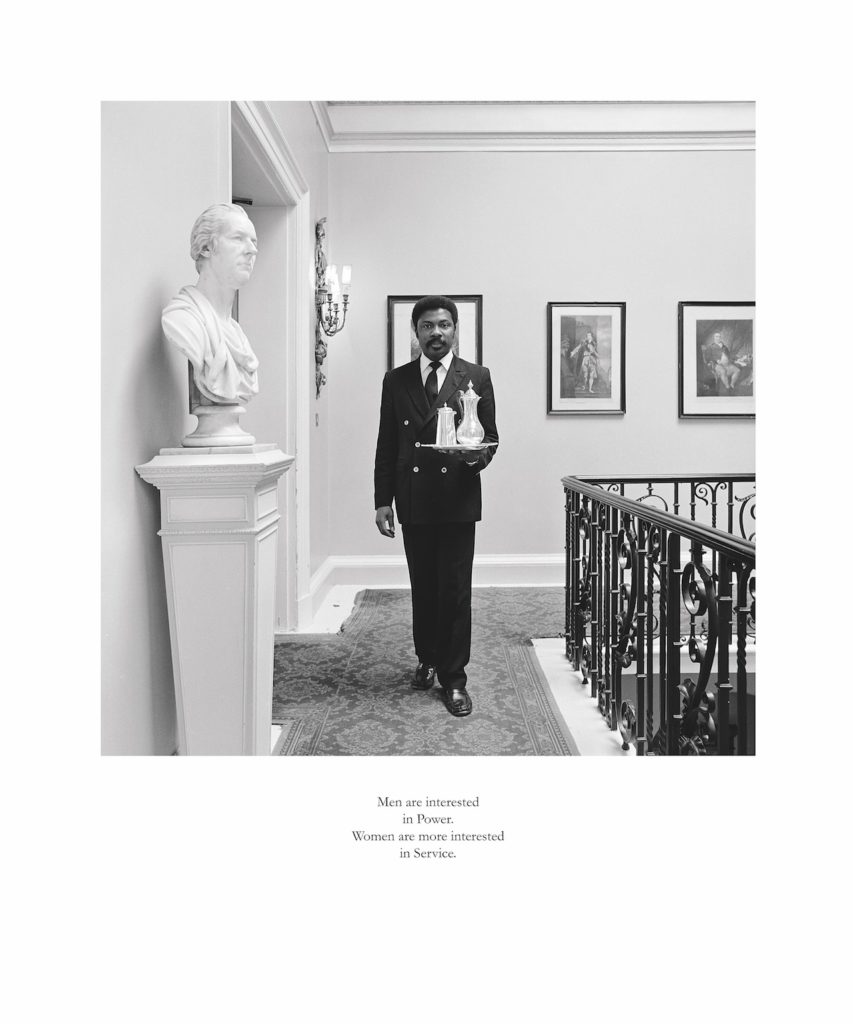
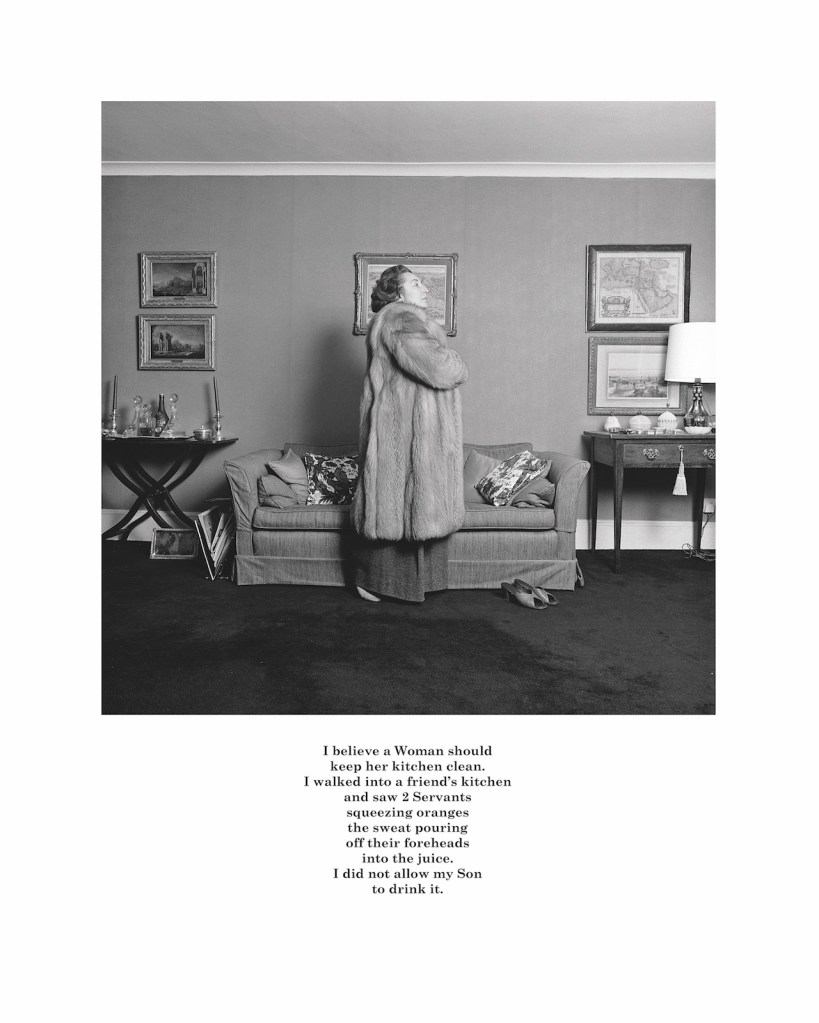
Karen Knorr – Gentlemen (1981 to 1983)
Knorr was born in Germany to American parents, grew up in San Juan, Puerto Rico, studied in Paris, and moved to London in the summer of 1976. She wanted to understand the country she had chosen to live in and reflect on her position as a white upper-middle- class woman in it. “I was trying to figure out who I was and where I stood,” she says. The photographer moved into her parents’ Belgravia maisonette for six months, situating her at the centre of an unfamiliar world inhabited by the British elite.
A series of 26 black and white photographs taken in gentlemen’s clubs in St James in central London with short passages accompanying each image. They were images of gentleman’s clubs in the 1980s and they revealed hidden spaces and what went on in those spaces. The passages are fictitious and written by Knorr. They are based on contemporary news events and parliamentary speeches published in Hansard concerning race, the role of women, and the Falklands War. The photos are staged with actors, employees or friends, so modern contemporary people and text are combined with historical settings of the gentlemans club. It took the artist a year to take the images and make the work.
Karen Knorr – GentlemanKaren Knorr – Gentleman
Karen Knorr – Gentleman
Bibliography
Haber, J., 2020. Haber’s Art Reviews: Sophie Calle. [online] Haberarts.com. Available at: <https://www.haberarts.com/scalle.htm> [Accessed 21 April 2020].
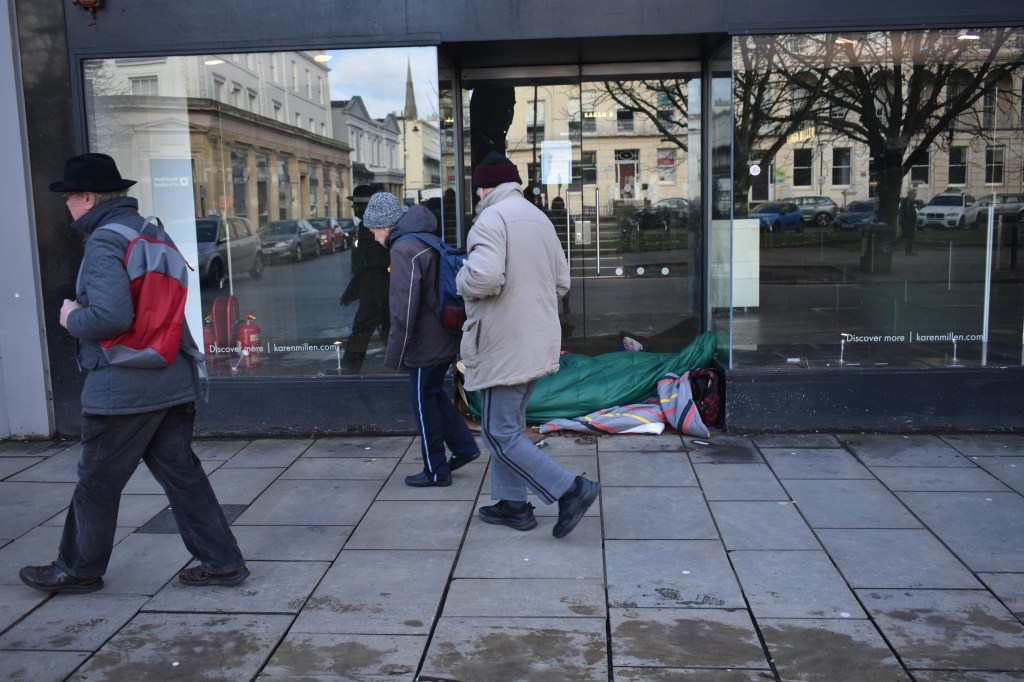
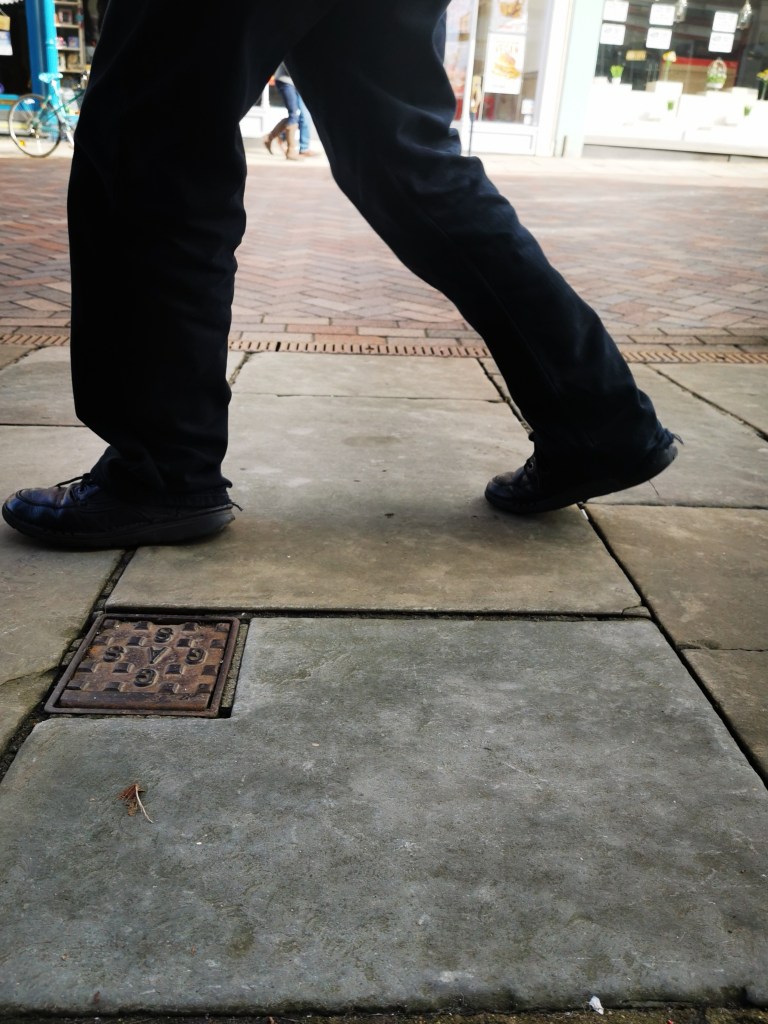
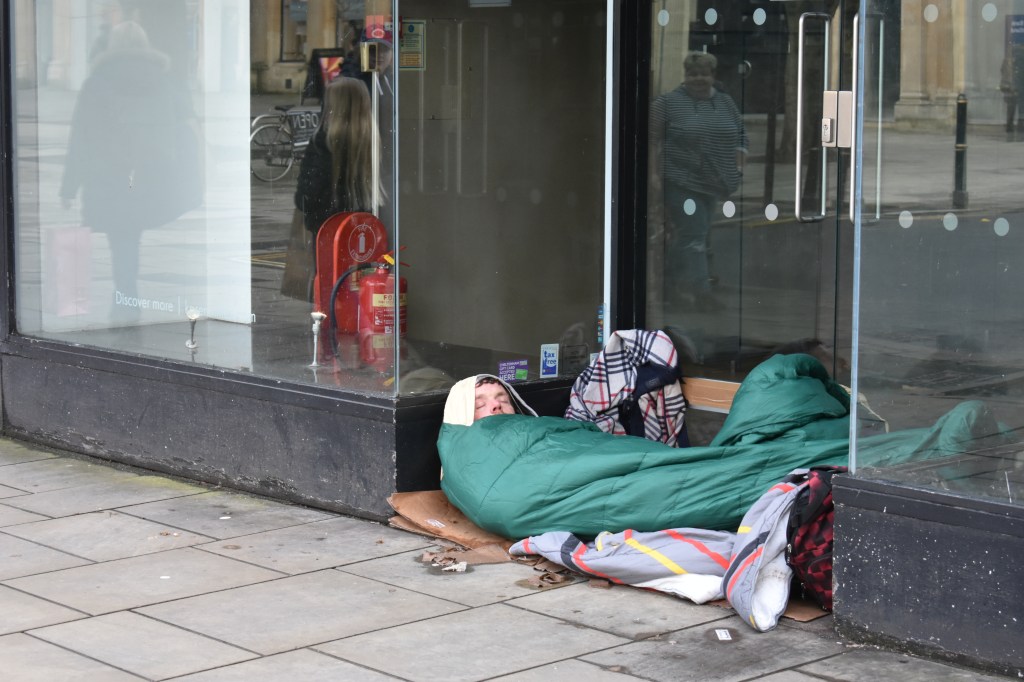
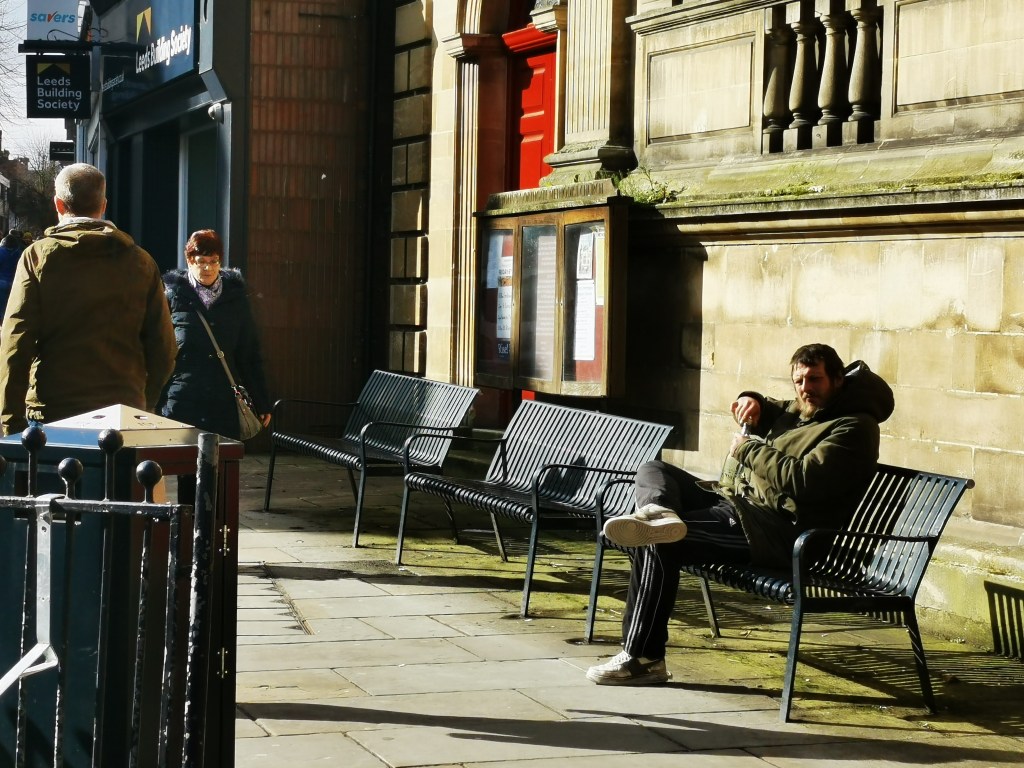
Homelessness on the streets of the UK, how different people in society behave when confronted by a homeless person as they walk past. Also, images produced through the eyes of someone living on the street.
Form:
Strategy of POV shots – landscape / portrait dichotomy to demonstrate “two sides of the story”
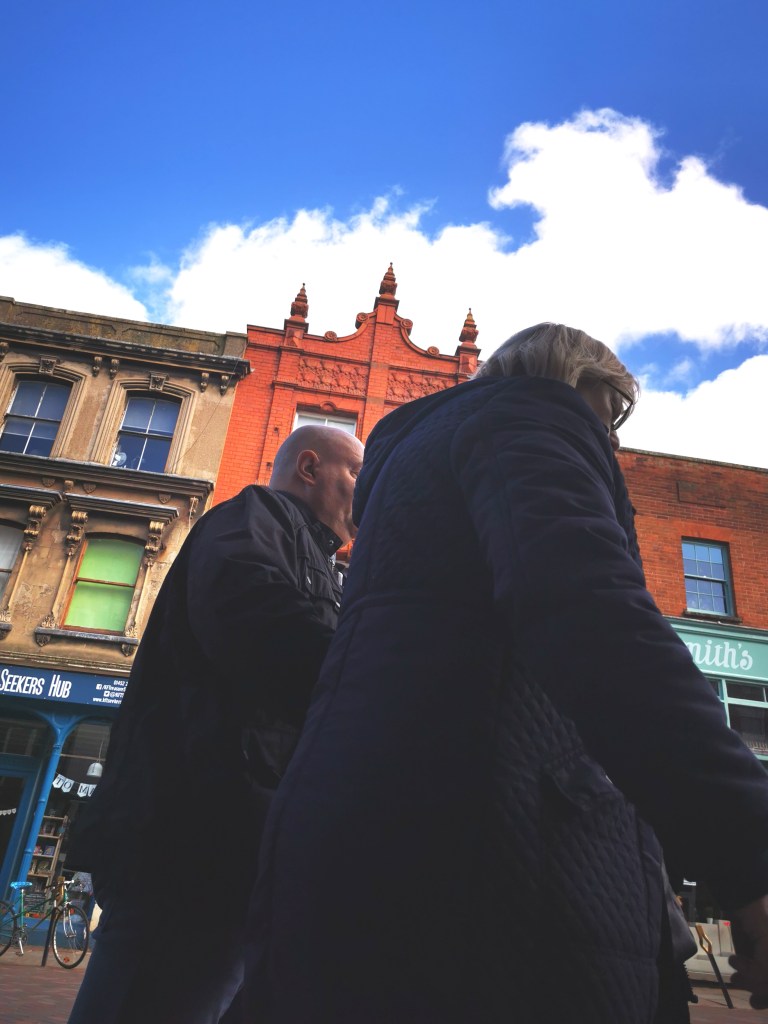
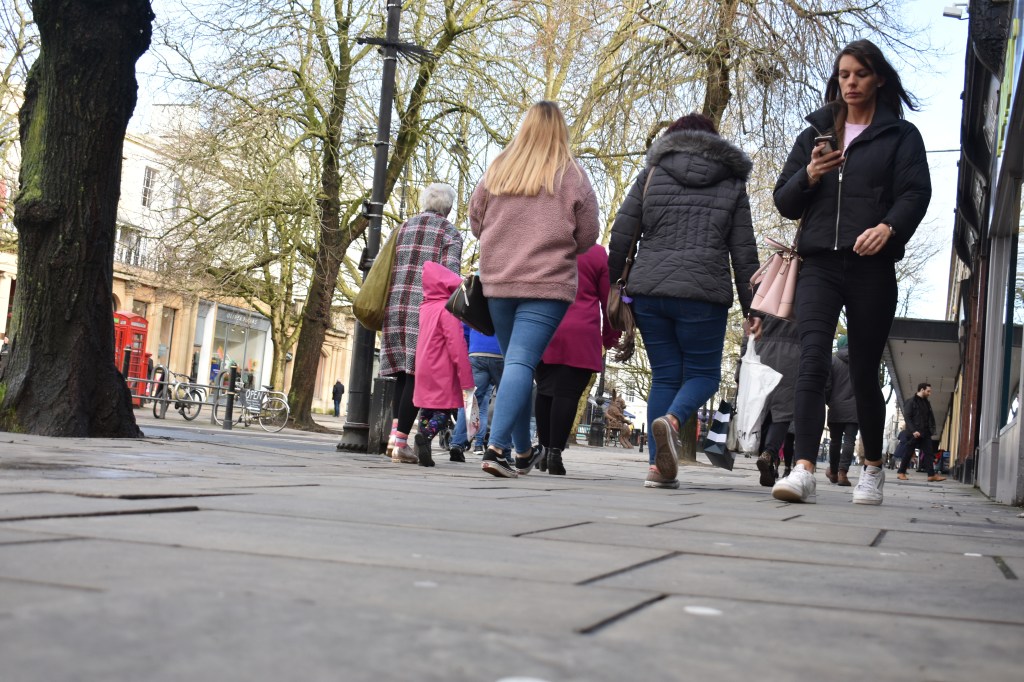
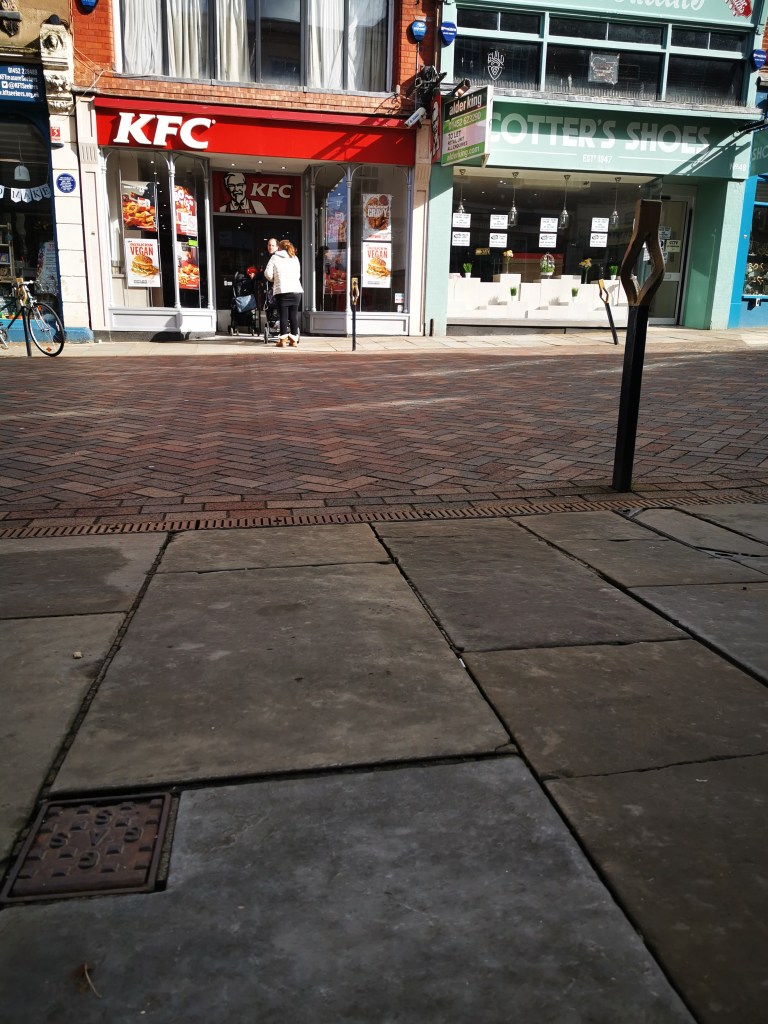
The photographs are taken from the view point of a passer by on the street (landscape). The second set of images is from a the perspective of the homeless person (portrait). The images were taken from a lower perspective in an attempt to reflect their view of the world from a sitting or lying position. The images differ in colours, in the prefix name on the image entitled “The Public View” these are more colourful and more subjects are included in the image, a more positive, ordinary feel to these images. The set “The Other Side” shows more concrete pavement and people from a completely different point of view, hardly every seeing people’s faces as they look away or avoid eye contact. (See link in Bibliography for a full explanation of how the shots were taken)
Context : Documentary – ways of seeing – giving back power to the subject (photovoice) – challenging previously help assumptions of the genre
My work was inspired by the work of Julian Germain called “No Mundo Maravilhoso Do Futebol” and Anthony Luvera’s “Taking Place” exhibition that incorporates his work from a project called “Frequently Asked Questions”. The power is put in the hands of the subject as to the outcome. The subjects have produced the images that depict “the other side of the story” (See links in bibliography for more information on the works of Julian Germain and Anthony Luvera).
Images
The Public View JS001 The common situation when a passer by encounters a homeless person is to either ignore them or stare The Other Side JS002 A common site at a sitting position on the street for a homeless personThe Public View JS003High Street JS004The Public View JS005 a common issue today is the mobile phone, people are no longer present and don’t notice the plight of the homeless at allThe Public View JS006 This man was opening a bottle of wine at 10am. A common site by the public is alcohol and drug misuse and therefore can be unfairly judged or looked down uponThe Other Side JS007 Grey concrete is the immediate environment for a homeless person, cold, hard and uncomfortable, a good analogy for the life they have to endure. There is also the view of life “on the other side” where a family can be seen entering a fast food restaurant.
Anthony Luvera. 2020. Anthony Luvera: Taking Place – Anthony Luvera. [online] Available at: <http://www.luvera.com/taking-place/> [Accessed 1 April 2020].
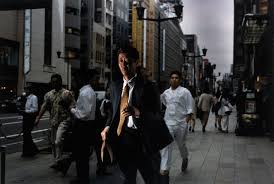
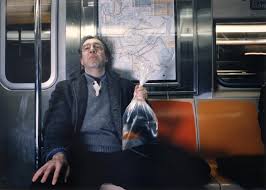
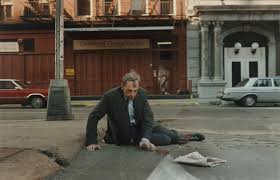
Feedback from my tutor about assignment 1 suggested further reading into the work of diCorcia- his method was to set up a camera a distance from where he is located and use a remote control to operate it, so people are photographed without their knowledge in a completely natural state
The main points I noted from watching the youtube video were :
The method of making work was to :
Set up the lighting rig and the scene ( the dramatic elements)
Use a polariod with actors and construct the scene in advance and test the result
Let the subject walk into the frame – these can be either known or unknown people
I classify people into different archetypes, most of the time they are not like that but I manipulate them to be like that.
To photograph people in the street effectively you have to sensitise yourself to the subtle clues
A photo captures a moment of truth and diCorcia operates to disrupt this completely
Often he didn’t know his subjects because of his methodology
The interior of a person is very different to the exterior, “life is a performance”
Because of the physical distance from which the images are taken, this gives the viewer alot of authority to interpret and experience the images in the way they want to.
The eye level cinematic approach to making his work is what draws the viewer in and makes them more real and engaging
The idea you can manipulate people and the world in this way is an interesting and compelling motivation for me.
For my own work: this was a very quick diagnostic assignment, diCorcia took over 3000 images to make a series of 17 – so lots more work and photos needed to be able to create something I am happy with
Setting up with a tripod, perhaps at a cinema style level which is square and a level aspect would give more impact – use a remote for taking the shots
Think about lighting, this has a huge impact on the feel of the image
Street photography has become more difficult over the years in the UK with an increasing amount of suspicion around the intent when a photographer is seen on the streets with a large, obtrusive camera. The duty of care over children and the use of their images on the internet has also become an issue, however, a public space is a space where it is legal to take photographs in the UK, for now anyway.
My approach to making this work was to simply stand at a distance from my subject and photograph the buildings next to them so the camera was not facing them directly. After a while my subject became used to me and thought I was not photographing them. I would move my camera occasionally towards them and take the shots quickly as people entered the frame, then move it back towards some buildings again. This took about twenty minutes and some patience. I wanted to capture the same scene but different reactions from people walking by, hence what appears to be a similar photo, but is in fact not because of the interactions that are going on within the frame between those on the margins of society and those who are not.
Ideally I would have liked to introduce myself to the subjects and asked their permission, but in this instance I felt the purpose of my shots were totally in my interest and not theirs. Reflecting on the situation, the activity could have been mutually beneficial where I could pay them cash perhaps? There is still no guarantee that this approach would have been received well.
I am interested in social change for the better for all people and have a particular empathy for the homeless, I admire artists such as Anthony Luvera and Lee Jeffries who spent time with the people and treated them with dignity and respect and built up mutual trust before they embarked on a collaborative photography project. The projects also generated income for better support for them and also changed the way councils are obligated to support the homeless in the UK. This, ideally is how I would want to approach an activity such as this, but since it was just for an assignment at this time I chose the anonymous route this time.
Feedback from my tutor on this assignment was to link this blog to my assignment in its bibliography so there is a better understanding by the reader about how I made the work.
For my own work: this was a very quick diagnostic assignment, diCorcia took over 3000 images to make a series of 17 – so lots more work and photos needed to be able to create something I am happy with
Setting up with a tripod, perhaps at a cinema style level which is square and a level aspect would give more impact – use a remote for taking the shots
Think about lighting, this has a huge impact on the feel of the image
Understand fully the different street photography techniques and with practice and experience develop a style and approach that reflects my values and interests, currently I prefer the collaborative way in that the process has a positive impact on everyone involved, however, the practicalities of this approach at present inhibit me.
Additional feedback is to research the work of :
Street Photography Alternatives: Placing the camera (on a tripod) and allowing people to walk into the frame (might help less conspicuous when making the ’objective’ images/ Passer by • David Campany. 2020. ‘Anonymous And Incognito: Walker Evans’ – David Campany.[online] Available at: https://davidcampany.com/anonymous-and-incognito-walker- evans [Accessed 23 March 2020].
• Lorca diCorcia, P. (2014). The Hepworth Wakefield: Photographs 1975 – 2012 . [online] Available at: https://www.youtube.com/watch?v=So_FK4qnz5Q [Accessed 21 March. 2020].






 Jenny Stork: Photography 1: Context & Narrative